Accommodation and Things to Do in Sabie, Mpumalanga
Sabie is a charming gateway town in Mpumalanga, set in a forested valley that once drew visitors for its fresh air, waterfalls and outdoor adventures. When planning a stay, consider where you base yourself to balance quick access to the town’s amenities with the scenery that makes Sabie special. The central village offers a compact feel with cafés, craft shops and convenient access to nature trails, while a few guest houses and lodges are nestled along quieter lanes closer to forest edges and viewpoints.
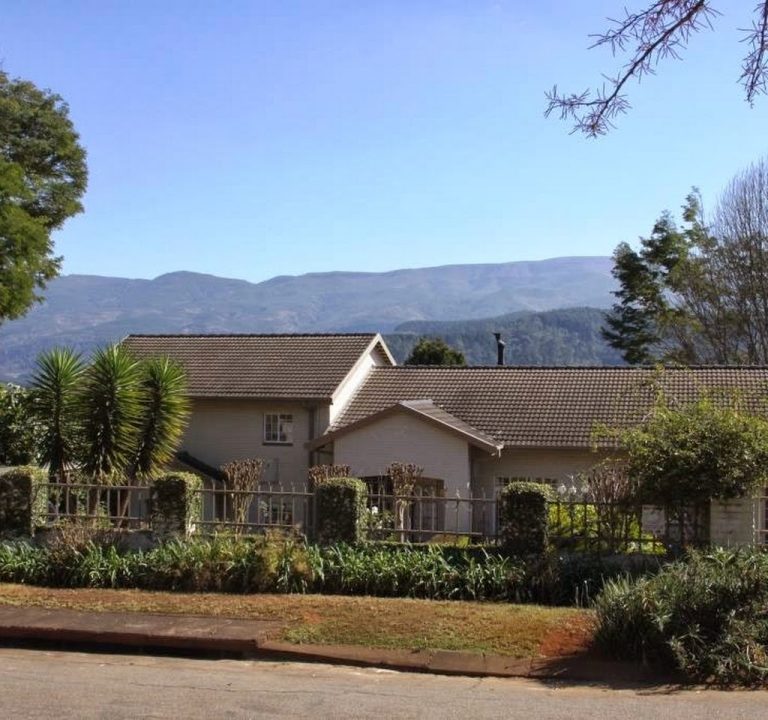
Accommodation in Sabie ranges from guest houses to small hotels and self-catering options. If you favour a personal, home-from-home atmosphere, a guest house such as Sabie Peak View Guest House can provide a cosy base from which to explore. Look for properties that clearly describe room layouts, daily housekeeping, and whether breakfast is included or available on request. For longer stays, self-catering units or cottages with kitchen facilities can be convenient and cost-effective, especially if you plan to explore the wider region or dine out on a few evenings.
When choosing where to stay, consider the following areas and what they offer:
- Central Sabie: Walkable access to restaurants, shops and the riverfront. The convenience of a short stroll to town facilities makes this a practical choice for travellers who prefer to minimise driving.
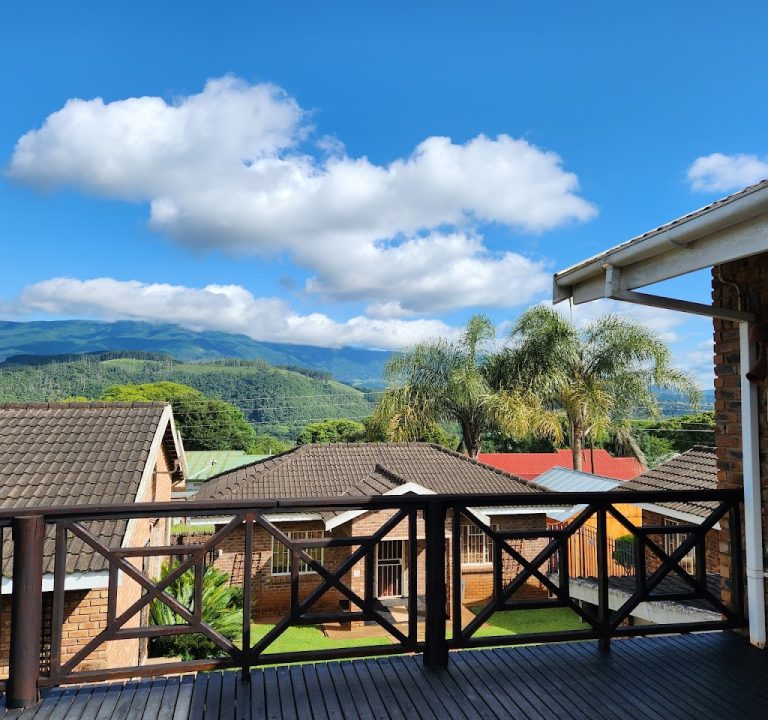
- Forest-edge or hillside pockets: Quieter streets with a greater sense of seclusion and closer proximity to trails and viewpoints. These options suit guests who prioritise wildlife listening or early-morning birdwatching.
- Outskirts and lodges: If you are seeking a more resort-style experience, a lodge or guest house on the edge of the forest can provide extended outdoor spaces, verandas and easy access to nature drives.
Typical amenities you might expect include comfortable en-suite or private bathrooms, fans or heaters for variable Mpumalanga weather, and reliable powering outlets. A practical check is whether the property has reasonably fast Wi-Fi (useful for planning day trips or streaming after a day outdoors), secure parking, and clear information about access to town or trailheads. Some accommodations offer communal lounges, hot beverages available all day, and guided experiences or recommendations for local routes and activities. If breakfast is included, verify whether it’s a substantial continental spread or a full cooked meal, and whether dietary needs can be accommodated.
Transport in and around Sabie is typically straightforward but can require some planning. The town is walkable for short trips, with a network of peaceful streets and riverside paths ideal for morning strolls. If you arrive by car, investigate parking arrangements in advance, especially during peak periods. For longer day trips—such as exploring the scenic Sabie Valley or visiting nearby nature reserves—having your own vehicle offers the most flexibility. Taxi services and ride-sharing options are usually available, though they may not be as frequent as in larger cities. If you’re staying at a property with on-site parking, confirm any height restrictions or turning space for larger vehicles.
The best time to visit Sabie depends on what you want to do. The region’s climate is temperate, with misty mornings and warm days, particularly in late spring through autumn. The surrounding forests and waterfalls look particularly dramatic after rainfall, when the streams swell and the landscape feels lush. Winter brings cooler temperatures and a crisp atmosphere, which can be perfect for day walks and a cosy evening in a comfortable guest room. For outdoor enthusiasts, shoulder seasons often balance pleasant weather with thinner crowds, making activities such as forest trails, photographic viewpoints, and short scenic drives more enjoyable.
Attractions and experiences in and around Sabie are largely nature- and heritage-oriented. Expect scenic drives alongside forest reserves, viewing decks with panoramic river or valley vistas, and forest trails suited to varied fitness levels. Guided nature walks or self-guided trails are common ways to discover the local flora and birdlife. In town, you’ll find cafés and eateries where you can sample simple, comforting meals after a day outdoors, plus small shops selling local crafts. If you’re planning day trips, consider including a visit to nearby towns, viewpoints, or nature reserves that offer short, well-marked paths and interpretive signage.
Practical tips to help you plan a smooth stay in Sabie:
- Book early in peak seasons, especially for weekends and holidays, to secure accommodation with your preferred location and amenities.
- Ask hosts about on-site facilities (private bathrooms, kitchen access, laundry) and any shared spaces that could affect your group’s privacy.
- Check the proximity of your lodging to the activities you want to do—whether it’s forest trails, the river, or a town dining stretch.
- Pack versatile clothing for mixed weather: lightweight layers for daytime and warmer items for early mornings and evenings, plus comfortable walking shoes.
- Plan a mix of outdoor time and restful evenings to balance the day’s activities, especially if you are visiting with children or older travellers.
- Respect the natural environment by sticking to marked paths and not disturbing wildlife or delicate vegetation during forest walks.
- Consult your host for current local advice on weather, road conditions, and any seasonal considerations that might affect travel plans.
For further ideas and inspiration, you can explore regional tourism portals or the Sabie waterways and forest outlooks via official tourism pages. These resources can provide maps, suggested routes, and general guidance on when to visit, how to plan day trips, and where to find more detailed information about dining options and attractions in and around Sabie. Planning ahead with a clear sense of preferred areas, a sensible pace, and flexible transportation options will help ensure a memorable stay in this picturesque Mpumalanga town.