Sabie, Mpumalanga: Accommodation, Attractions and Planning Your Visit
Sabie sits high on the Mpumalanga Highveld, a laid‑back gateway to forested landscapes, waterfalls and the dramatic escarpment that surrounds the town. When planning a stay, consider the rhythm of the town centre, nearby forest routes and the quieter residential neighbourhoods that offer easy access to trails, viewpoints and dining. A well‑rounded stay often blends charming guesthouses or boutique hotels with self‑catering cottages, giving you options to match your pace and budget.
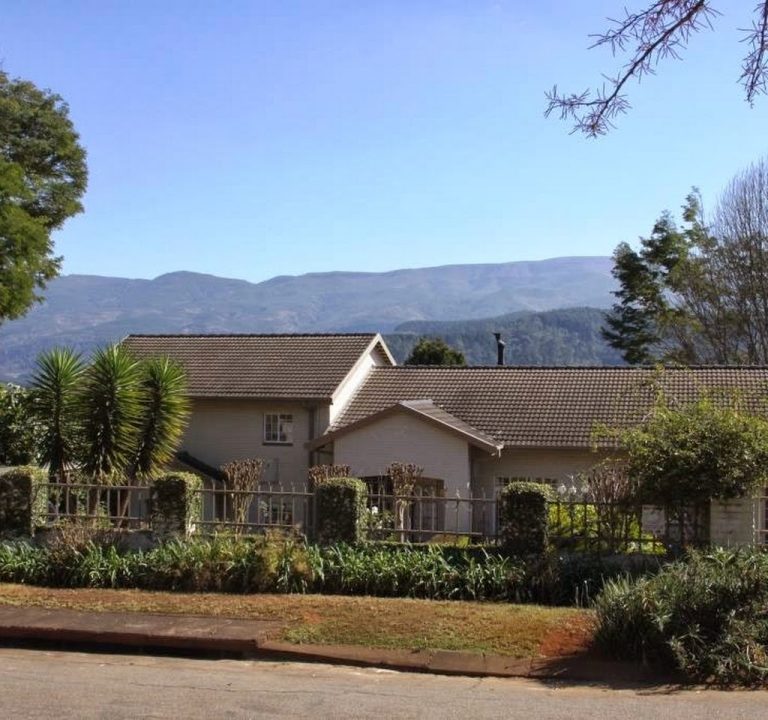
Accommodation in Sabie ranges from traditional guest houses and boutique lodges to comfortable bed and breakfasts and family‑run inns. Many properties emphasise warm hospitality, easy walking access to town facilities, and relaxed lounges or verandas where you can unwind after a day exploring. Look for rooms that suit your preferred balance of privacy and sociability: private ensuite rooms are common, and some houses offer larger suites with self‑catering features. Practical features to prioritise include reliable heating or cooling for seasonal changes, high‑quality bedding, secure parking, and clear information on local walking routes and safety.
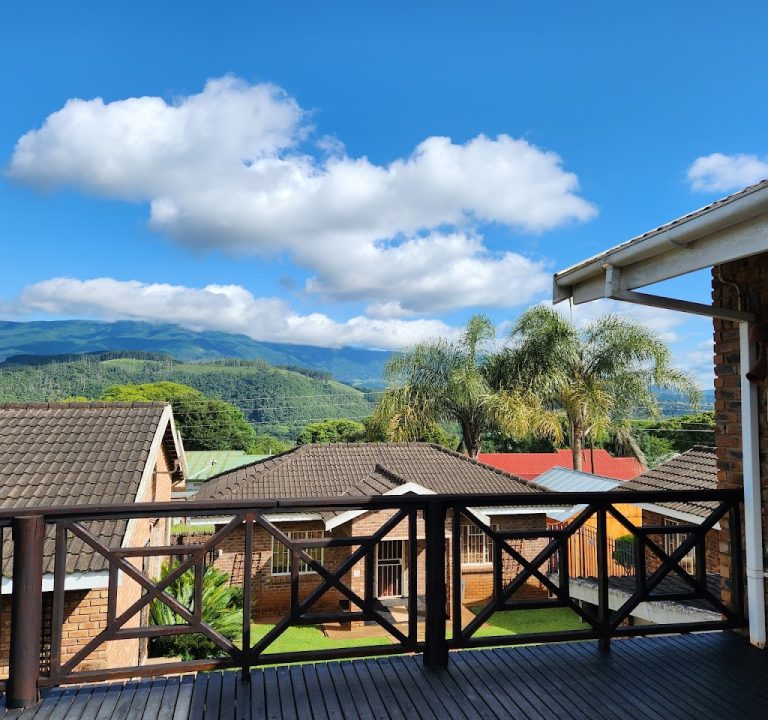
When choosing where to stay, consider the area and the view. A stay closer to the town centre offers convenience for meals, small shops and local cafés, and shorter drives to some trails. If you prefer a more tranquil setting with potential forest or mountain vistas, look for properties on the fringes of Sabie or along quiet lanes with easy access to nature paths. For some travellers, proximity to trailheads or waterfall lookouts makes mornings simpler, while others value a leafy garden or a sunlit veranda to enjoy tea as the day warms up.
Typical amenities you might encounter include free Wi‑Fi, continental or full breakfast options, on‑site parking, and communal areas such as lounges or verandas. Some guest houses provide en‑suite bathrooms, while others offer shared facilities with a homely feel. If you plan to self‑cater, check for a well‑equipped kitchen or kitchenette, as well as convenient access to markets for fresh supplies. A few properties may offer guided walks or suggested day itineraries, which can be extremely helpful for first‑time visitors to the area.
Transport in Sabie is relatively straightforward. The town is accessible by road via the N4 highway from Johannesburg or Pretoria, with the drive offering views of rolling hills and pine forests. Within Sabie, a car or bicycle gives you maximum freedom to explore the surrounding trails and viewpoints, but many guest houses are within easy strolling distance of the town’s amenities. If you prefer not to drive, some accommodation providers can help arrange transfers or local taxi services. Consider your plans for day trips to nearby natural attractions when deciding how much internal transport you’ll need.
The best time to visit Sabie depends on what you want from your trip. The area enjoys a temperate climate with lush summers and crisp winters. Spring brings fresh greenery and blooming flora, making it an ideal time for forest walks and photography. Summer can be greener and more humid, with the chance of late‑day showers, while autumn presents cooler evenings and comfortable walking conditions. Winter offers clear skies and crisp air, which can be perfect for long outlook walks and enjoying the dramatic silhouettes of the surrounding hills. If you’re interested in forest trails and lookout points, aiming for late spring or autumn often provides a pleasant balance of comfortable temperatures and scenery.
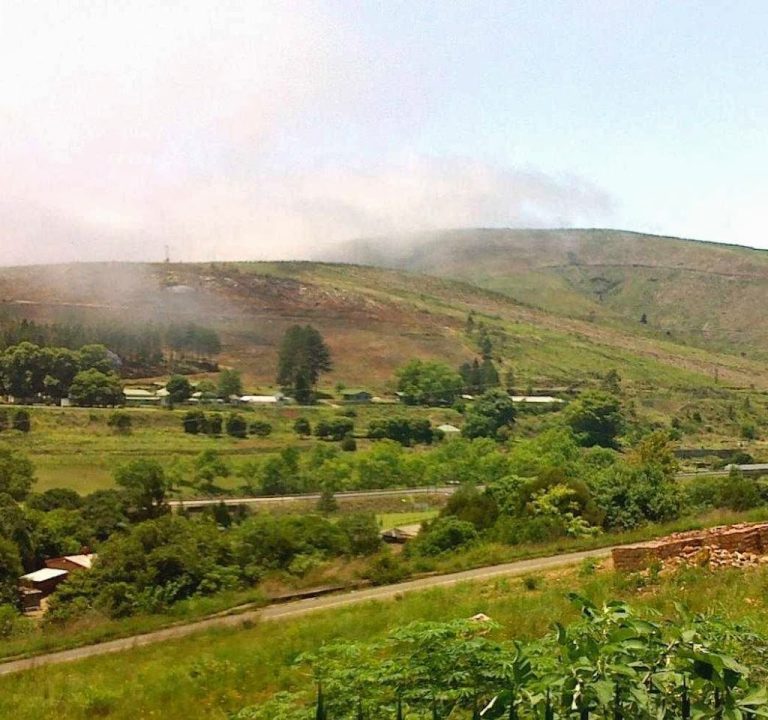
Activities and experiences in and around Sabie are designed to complement a relaxed stay. Forest walks and river trails reveal a mosaic of vegetation and birdlife, with countless viewpoints along the escarpment offering sweeping panoramas. For those who enjoy waterfalls, the region hosts several cascades that are especially striking after rainfall. It is wise to plan flexible days: mornings for outdoor strolls, afternoons for a museum visit or a gallery browse in Sabie town, and evenings for a leisurely dinner at a local restaurant or a quiet drink on a veranda. For travellers with a sense of adventure, day trips to nearby natural reserves offer the chance to experience the broader Mpumalanga landscape without long drives.
Dining in Sabie is relaxed and diverse, with cafés and bistros offering light meals, hearty South African favourites and seasonal dishes crafted from local produce. Many establishments focus on seasonal ingredients and comforting dishes that suit outdoor days. If you have self‑catering facilities, you’ll be able to supplement meals with fresh goods from local markets or smaller shops. For broader exploration, a day’s plan might include one more substantial lunch in the town followed by a sunset drink at a scenic spot, before returning to your guest house for a restful evening.
To help you plan, here are a few practical tips:
- Book early for peak seasons and over weekends, especially accommodation with easy access to forests and trails.
- Check heating or cooling arrangements ahead of a seasonal stay to stay comfortable, whatever the weather.
- Ask for a map or suggested routes from your host; local insights can highlight less‑known viewpoints and shorter trail options.
- Confirm parking arrangements if you are driving; some properties offer secure on‑site parking.
- Consider combining Sabie with a day trip to the wider region to experience the escarpment, canyons and nature reserves nearby.
Whether you choose a cosy guest house such as an Azalea‑themed bed and breakfast or a small lodge tucked into a quiet lane, Sabie offers a restful base with easy access to forest adventures, waterfalls, and regional flavours. With thoughtful planning and a flexible itinerary, you can enjoy a balanced stay that blends comfortable accommodation with the striking natural backdrop of Mpumalanga’s Highveld hills. For more information and ideas, you can explore regional tourism resources and the Sabie‑area visitor page to tailor your visit to your interests.