Accommodation and experiences in Sabie, Mpumalanga: where to stay, what to do
Nestled in the Mpumalanga Highlands, Sabie is a popular base for visitors exploring the Panorama Route, neighbouring nature reserves and the scenic escarpment that dominates the region. A stay here can be restful, invigorating and well placed for day trips into surrounding forests, waterfalls and viewpoints. The key is choosing accommodation that fits your pace—whether you want a cosy guesthouse with personal touches, a self‑catering retreat for flexibility, or a lodge with easy access to forest trails and viewpoints.
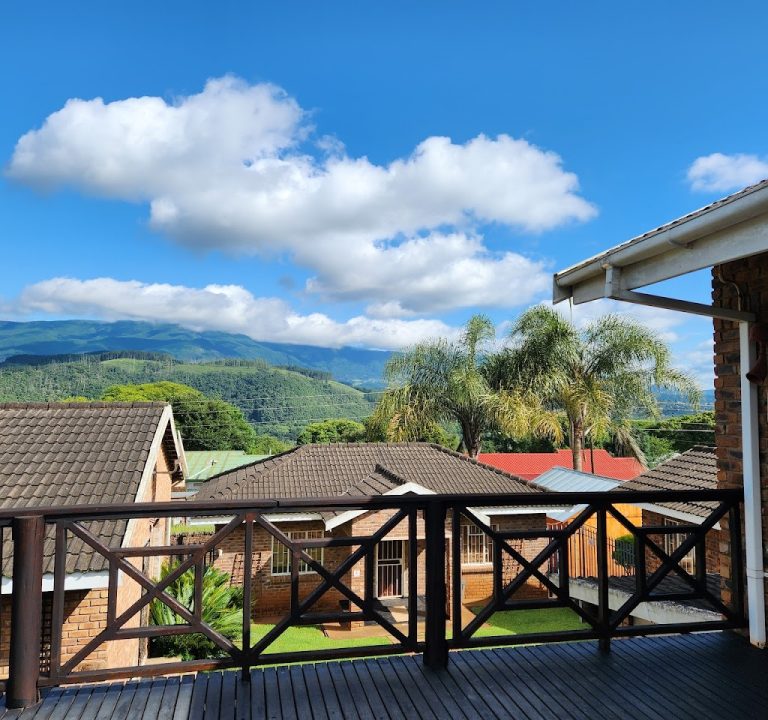
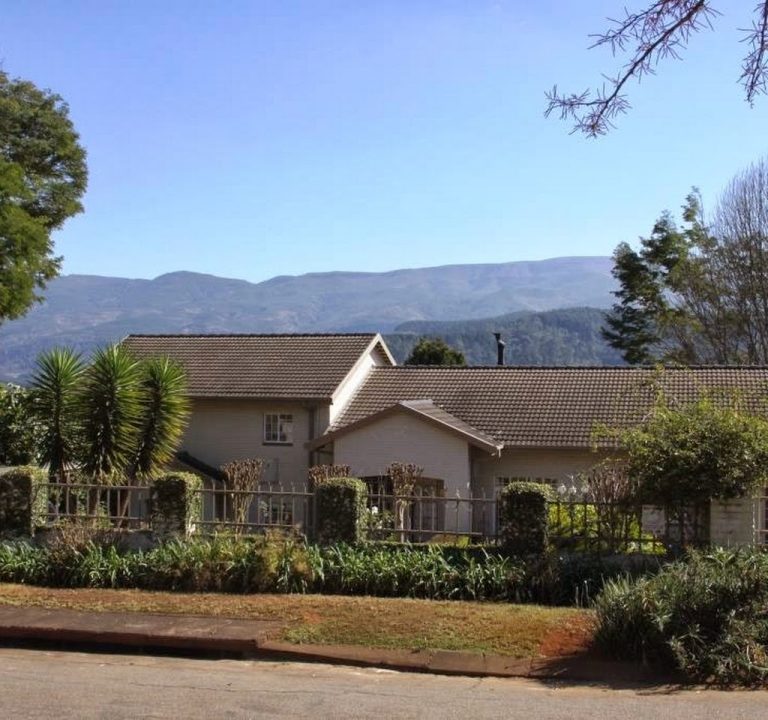
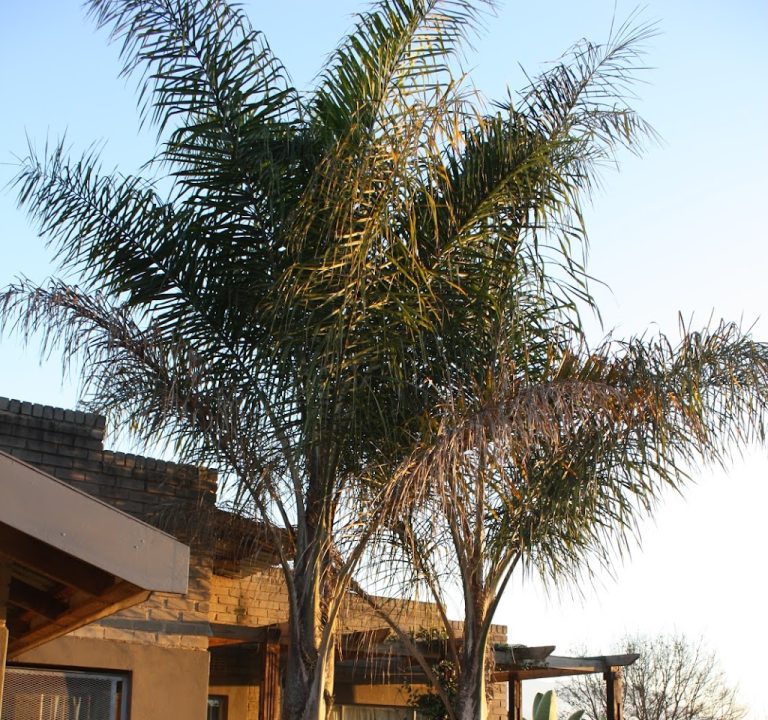
Two common choices in Sabie are guesthouses and small boutique lodges. Guesthouses such as 2 Palms Guesthouse offer a home-from-home environment with a welcoming, personalised touch. These properties typically provide generously sized rooms, secure parking, and common areas for relaxing after a day on the road or exploring the town. Look for hosts who can share local recommendations, route updates and practical tips that make a visit smoother, especially if you are travelling with children or in a small group.
When planning where to stay, consider the area within Sabie. Central Sabie keeps you close to shops, markets and the traffic-free streets ideal for evening strolls. A stay near the Sabie River or on the edge of the surrounding pine forests can cut travel time to the best viewpoints and trailheads. If you prefer quieter mornings and doorstep nature, look for properties a short drive from the town centre, but still within easy reach of the attractions you want to explore each day.
Typical amenities to expect in Sabie’s guesthouses and lodges include comfortable en‑suite bathrooms, reliable hot water and heating, free Wi‑Fi, and off‑street parking. Some properties offer breakfast included in the rate, helping you start days before a morning hike or a long drive. Other common features include guest lounge areas, outdoor seating with garden or courtyard views, and secure storage for outdoor gear such as hiking boots and bicycles. If you are visiting in winter, confirm that heaters or cosy fireplaces are available, as temperatures can drop in the evenings after day trips.
Transport arrangements play a major role in planning. A car is by far the most convenient way to move from Sabie to the surrounding attractions, forests and viewpoints, and to reach longer itineraries such as the nearby escarpment routes. If you are relying on public transport, check proximity to taxi services or organised tours and whether your accommodation can assist with transfer options. For self‑drive holidays, map your days around road access and turning points that offer easy parking and safe access to viewpoints and trails.
The best time to visit Sabie depends on what you wish to experience. Spring and autumn bring pleasant temperatures for outdoor activities, while the summer months can be wetter, bringing lush green scenery and refreshing waterfalls. Winter offers crisp air and clearer skies for dramatic views from vantage points along the Panorama Route. If flora and wildflowers are on your radar, plan your visit around late winter to early spring when plains and forests are in bloom. Always check local seasonal conditions, road works and weather forecasts, as access to some viewpoints or forest trails can be affected by weather or maintenance work.
Attractions in and around Sabie are a key part of any itinerary, even if you choose a relaxed pace. The area is known for its waterfalls, dramatic escarpment vistas, forest walks and the chance to combine a short drive with longer hikes. Day trips can easily include nearby towns and nature reserves, offering scenic drives, photo opportunities and opportunities to observe local fauna and flora along well-marked trails. Gentle walks, family-friendly routes, and more challenging hikes are available, so you can tailor your days to your interests and fitness level.
Dining in Sabie ranges from cosy cafés to eateries offering hearty, country meals and lighter lunches. In between sightseeing, you can refuel with dishes featuring fresh, regional produce and comforting flavours after a day on the trails. Most lodging providers will offer or arrange breakfast, and several will be happy to point you toward evenings when the town’s dining options are open. If you are self‑catering, many guesthouses provide well‑equipped kitchens or shared kitchen facilities, allowing you to prepare your own meals using local ingredients bought from the town’s shops and markets.
Practical tips to help you plan a smooth stay:
- Book early if travelling in peak tourist periods or during long weekends, especially for unique boutique stays.
- Clarify what is included in your rate—breakfast, parking, Wi‑Fi, and access to common areas.
- Ask about garage or secure storage if you have valuable outdoor gear or bicycles.
- Confirm accessibility for your party, including ground‑floor rooms or stairs if needed.
- Request local recommendations for day trips, including potential private guides or short‑drive viewpoints.
When you arrive at 2 Palms Guesthouse or similar properties, a friendly briefing on local routes, the best viewpoints and current conditions can save time and enhance your stay. The charm of Sabie lies not only in its landscapes but in the sense of place fostered by small, welcoming accommodation and a cadence of days shaped by nature. With thoughtful planning, your Sabie visit can balance restful evenings with energising explorations, offering memories of waterfalls, forest scents and sunset colours along Mpumalanga’s renowned Panorama Route.