Where to Stay and What to Do in Cape Town: A Practical Guide for Visitors
Cape Town blends sweeping coastal scenery with a dynamic city centre, offering a wide range of accommodation from cosy B&Bs to contemporary lodges. When planning a stay, consider your preferred neighbourhood, access to transport, and how much time you’ll spend exploring outdoors versus relaxing at a restaurant or café. A balanced itinerary often pairs a comfortable base with day trips to the surrounding natural and cultural highlights.
Neighbourhoods to consider include the upmarket Atlantic Seaboard, home to beaches and stylish lodges; the bustling City Bowl, where you’ll be close to restaurants, markets and museums; historic and creative Woodstock with boutique hotels and laid‑back cafés; and the leafy Constantia valley, ideal for a calmer retreat with wine estates nearby. For a mid‑range, family‑friendly option, you might opt for lodges or guesthouses in cosmopolitan neighbourhoods near Table Mountain’s lower cable station, or in the vibrant areas close to the V&A Waterfront. When booking, weigh proximity to your must‑see sights against traffic patterns and parking availability, especially if you plan to rent a car.
Typical facilities to look for include reliable Wi‑Fi, breakfast options (whether self‑c catering, continental, or full cooked), secure parking or easy street parking, and rooms with en‑suite bathrooms. Some lodges and guesthouses offer intimate communal areas, such as lounges or outdoor terraces, which can be a great way to meet other travellers. If you prefer a kitchen or kitchenette, check whether self‑catering is possible in your room or apartment. Accessibility can be important for travellers with mobility needs, so clarify elevator access, steps, and ramp availability when necessary.
Transport and getting around are easier than you might think. The city operates reliable public transport options, and several tour operators offer day trips to the Cape Peninsula, Cape Point, or the Cape Winelands. In Cape Town itself, ridesharing apps and metered taxis are common, while some areas offer hop‑on, hop‑off buses for easy sightseeing. If you plan panoramic drives along the Atlantic coast, a car gives you flexibility, though parking in popular areas can be limited in peak periods. Walking is pleasant in compact districts like the city centre, the Oranjezicht neighbourhood near the markets, and the historic Bo-Kaap area, where you can combine lodging with short, scenic walks.
When is the best time to visit? Cape Town enjoys a Mediterranean climate with warm summers and mild winters. The shoulder seasons—spring (September to November) and autumn (March to May)—often provide comfortable temperatures, fewer crowds, and good conditions for outdoor activities. Summer (December to February) is popular for beach days and outdoor markets, but it can be busy and windy in certain coastal spots. Winter (June to August) is cooler and rainier, yet markets and cultural events can be particularly atmospheric. Pack layers for changing conditions, a hat and sunscreen for sunny days, and a compact rain jacket for sudden showers.
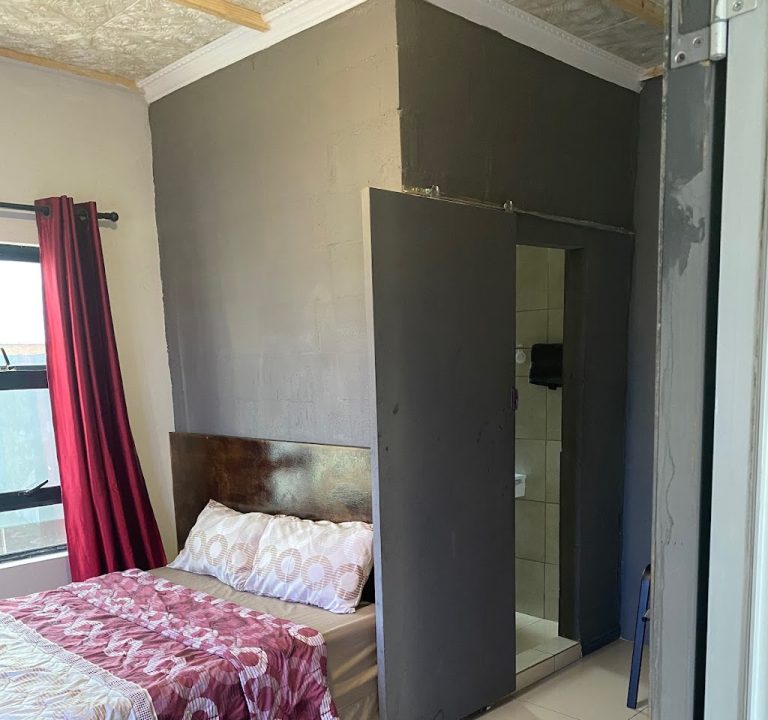
Accommodation ideas tied to experience rather than simply a place to sleep include staying near the harbour for easy access to water‑adjacent activities, or basing yourself near the historic former-upper Cape Town in the city centre. For guests seeking a more intimate stay, a lodge with a garden setting or a hillside guesthouse can offer a tranquil retreat after busy days. An example approach is to place a lodge such as Sabbath Lodge in a convenient suburb, then plan light, scenic day trips and evening meals in the city or along the coast.
Dining and experiences are as varied as the scenery. Cape Town’s restaurant scene ranges from casual brasseries to contemporary fine dining, with an emphasis on seafood, sustainably produced produce, and flavours inspired by the region’s cultural richness. In addition to meals, consider experiences such as a visit to a local market, a guided township or neighbourhood walk, a wine‑tocountry day on the nearby slopes, or a cableway ascent to a mountain viewpoint for sunrise or sunset. For a relaxed pace, choose a restaurant with a garden or terrace where you can linger over coffee and a light meal after a day of exploration.
Practical planning tips to help you get the most from your stay:
- Book in advance for peak periods, especially over school holidays and long weekends.
- Clarify what is included in breakfast and whether options are available for dietary restrictions.
- Ask about parking arrangements or near‑by parking facilities if you’re driving.
- Check access to reliable Wi‑Fi and the presence of a desk or workspace if you need to work during your stay.
- Request memorable but practical extras such as good lighting, blackout curtains for sleep, and convenient USB charging points.
In summary, Cape Town rewards thoughtful planning: a comfortable base in a well‑located neighbourhood, balanced with efficient transport and time to enjoy both natural beauty and a vibrant dining scene. Whether you favour a boutique lodge such as Sabbath Lodge or a modern apartment near the waterfront, the city offers approachable routes to its many attractions, welcoming eateries, and memorable experiences that suit a variety of tastes and itineraries. For more information on lodging options and local activities, explore reputable travel guides and official tourism resources, and tailor your stay to the pace and interests that make your Cape Town trip truly yours.