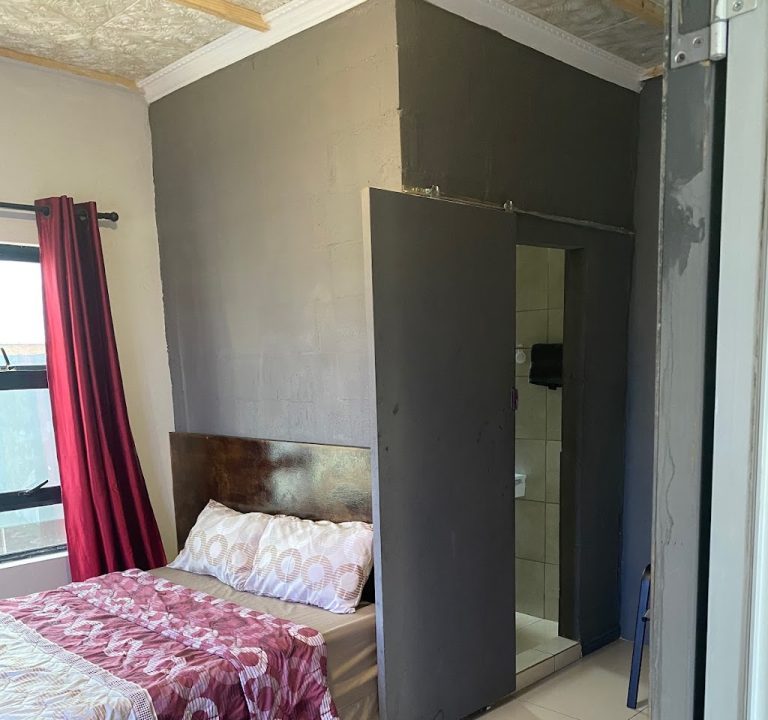
Accommodation and Attractions: Planning a Stay in Cape Town, Western Cape
Cape Town blends dramatic scenery with a vibrant city atmosphere, making it a compelling destination for a varied range of stays. From elegant boutique hotels to self-contained guesthouses, there are options to suit every traveller’s style and budget. When planning a visit, it’s helpful to think about which neighbourhoods align with your interests, how you’ll get around, and what pace of travel you prefer. A well-chosen base can make all the difference to your time in the Mother City.
Key neighbourhoods to consider include the Atlantic Seaboard, where beachfront stays offer easy access to sunsets over the ocean and a mood of relaxed glamour. The central City Bowl provides proximity to historic streets, markets and galleries, with many properties that put you within easy reach of cultural attractions and dining. Nearby areas such as Green Point, Waterfront, and Bantry Bay offer a mix of contemporary apartments and charming guesthouses, often with excellent access to harbour views and coastal walks. For a quieter, more residential feel, the southern suburbs and Constantia Valley provide leafy settings and closer links to wine estates and scenic hillsides. If you are visiting with family or a group, serviced apartments or smaller boutique hotels in these areas can provide convenient space and flexibility.
When looking to book, consider what matters most to you. Do you prioritise sea views, easy access to nightlife, or a shorter walk to mountain trails? Is parking important, or will you rely on taxis and ride-hailing apps? If you’re travelling during peak seasons—such as the African winter holidays and school breaks—booking well in advance can secure better rates and ensure you’re in a preferred location.
Typical amenities you may encounter include free Wi‑Fi, daily housekeeping, secure parking, and self-catering facilities in the form of kitchenettes or full kitchens. Many establishments offer breakfast either included in the rate or as an optional extra. In addition, inquire about access to outdoor spaces, such as balconies or rooftop decks, and whether the property has a pool, gym, or bar. For families, look for family rooms or interconnecting suites and child-friendly facilities. For business travellers, a reliable desk workspace, quiet rooms, and strong Wi‑Fi are worth prioritising.
Transport in Cape Town is efficient when planned thoughtfully. A central approach is often best: choose a base near major taxi routes, MyCiTi bus stops, or close to a rail link if you intend to explore on public transport. If you plan day trips to the Cape Winelands, the Cape Peninsula, or outlying towns, you may prefer a property with easy access to motorway routes or a reliable shuttle service offered by the accommodation. For those who prefer flexibility, a rental car can be practical, though parking and security should be considered, especially in busy neighbourhoods and near popular attractions.
The best time to visit Cape Town spans several seasons, each with its own appeal. Late spring (September to November) brings flowering gardens and milder weather, making it ideal for outdoor exploration. Summer (December to February) offers long days and warmth, perfect for beaches and harbour activities, though it can be busier. Autumn (March to May) is typically quieter with pleasant conditions for hiking up the iconic Table Mountain or along the Atlantic coast. Winter (June to August) is cooler and mistier, which can create atmospheric coastal views and may be ideal for travellers seeking a slower pace and museum visits indoors.
Plan to include a mix of natural beauty, cultural experiences and dining in your itinerary. Iconic viewpoints, scenic coastal walks, and the historic cable-car ride up to a famous mountain can form memorable days. In terms of food and drink, Cape Town’s dining scene—ranging from sophisticated fine dining to casual bistros and market stalls—offers a focus on fresh seafood, local produce, and authentic flavours. Rather than relying on precise restaurant names or prices, look for venues with a reputation for quality, consistency and a welcoming atmosphere, ideally within a short stroll or a convenient ride from your stay.
Practical tips for travellers:
- Book accommodation with clear cancellation policies and transparent inclusions so you can adjust plans if needed.
- Check the proximity to workhorse transport routes and the level of safety for your preferred mode of travel at different times of day.
- Read recent guest reviews to gauge consistency, staff friendliness, and any changes in facilities.
- Pack adaptable clothing for a range of weather conditions, especially if visiting the city’s coastal areas or highland trails.
- Consider a balance of indoor and outdoor activities to optimise days with variable weather.
As you broaden your stay, you might explore a mix of accommodation styles—from a contemporary city hotel near the central sights to a hillside guesthouse with harbour glimpses. An example of a versatile option to consider is a homestay-style property positioned near major shopping or entertainment venues, offering convenient access to transport links and local neighbourhoods. Cape Town rewards curious travellers with its blend of natural splendour, dining variety, and welcoming places to rest after a day of discovery. Plan with flexibility, and you’ll enjoy a balanced experience that captures the city’s unique charm.