Cape Town: Where to stay and how to make the most of your visit
Cape Town sits at the crossroads of urban culture and natural splendour, offering a wide range of accommodation to suit every traveller. From oceanside guesthouses and boutique hotels to spacious homestays and family-friendly lodges, you can tailor your stay to match how you want to experience the city. Planning in advance helps you maximise your time, especially if you want to explore iconic sights, renowned restaurants and nearby wine lands.
When choosing a neighbourhood, consider what you want to do each day. The V&A Waterfront and the central City Bowl are convenient for those who relish easy access to dining, shopping and the harbour area, with many properties offering easy walks to popular sites. If you prefer dramatic coastal scenery and a touch of glamour, areas such as Camps Bay or Clifton provide beachfront stays with spectacular sunsets. For a more laid-back, leafy atmosphere close to nature, Constantia or Muizenberg can be appealing, with easy reach to hiking trails and coastal walks. For a cultural heart, the Bo-Kaap and Green Point offer vibrant city life, while the adjacent Atlantic Seaboard provides a mix of upscale lodgings and scenic viewpoints.
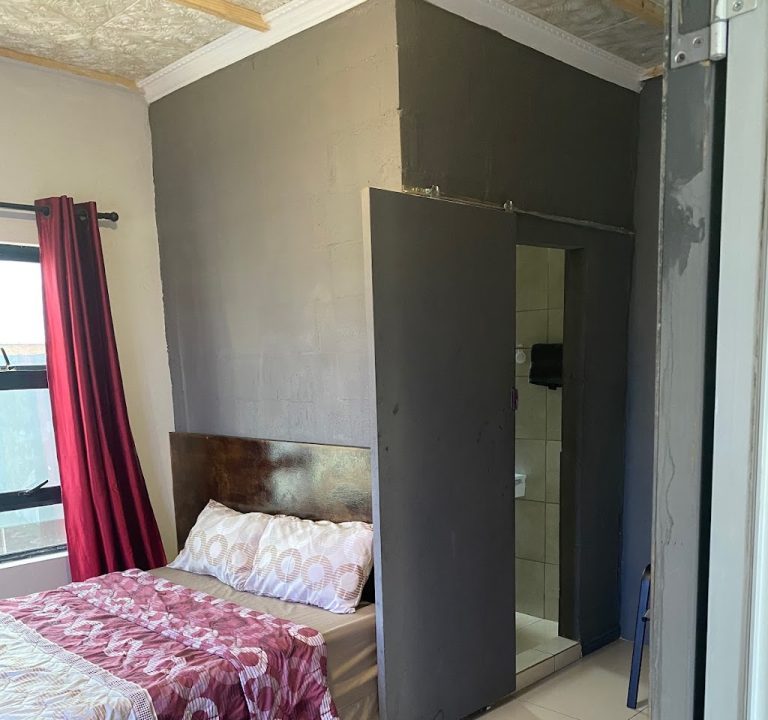
Typical amenities to look for when booking include reliable wifi, secure access, comfortable beds, daily housekeeping, and a guest-focused approach. Consider whether you’d like self-catering facilities, on-site dining, or access to a shared kitchen. A generous breakfast is a popular feature in many guesthouses and boutique hotels, and some properties offer curated experiences such as guided walks, wine tastings, or help arranging day trips. Worth noting are flexible cancellation policies, secure parking, and airport transfers or easy transport options, which can save time when you’re juggling a tight itinerary.
Transport in Cape Town is varied and practical. The MyCiTi bus network offers routes across several suburbs, including the central city and Cape Town ambitions for a cost-effective way to orient yourself and reach the waterfront. There are also minibus taxis and a growing network of ride-hailing services. If you plan to head out to wine country or the Cape Peninsula, renting a car gives you the most freedom, though guided day tours can be convenient for those who prefer not to drive. If you stay near the city centre, many areas are walkable, and you can enjoy scenic climbs to viewpoints such as Table Mountain or Lion’s Head by foot or cable car, depending on weather and opening times.
Best time to visit Cape Town depends on your preferences. Summer months (roughly December to February) bring long days, beach-going and lively outdoor events, but they are also the peak season, so advance bookings are wise. Spring (September to November) and autumn (March to May) offer milder temperatures and quieter streets, with good light for photography and outdoor activities. Winter (June to August) is cooler and often wetter, yet nature reserves and coastal landscapes still enchant visitors, and museums and dining scenes provide warmth and cultural comfort in the city interiors. If you’re planning a visit that includes the Cape’s famous wine lands, late winter to early spring can be a good shoulder period for smaller crowds and lower prices.
Architectural variety and character are standout features of Cape Town accommodation. Expect stylish rooms with period touches in older properties, or modern, light-filled spaces with floor-to-ceiling windows and panoramic views. Many properties arrange bespoke experiences, such as guided hikes on Table Mountain, harbour cruises, or scenic drives along the cliffs. While planning, keep in mind accessibility needs, quiet hours, and any seasonal activities that may require advance reservations.
In terms of activities, you can plan a blend of outdoor exploration and cultural immersion. Iconic landscapes dominate the top of the list: a visit to Table Mountain or the surrounding nature reserves, a stroll along the Waterfront, and a drive or hike along the Atlantic coast. For a sense of the city’s heritage, you can wander through historic districts, explore markets, and sample a range of dining experiences that celebrate local ingredients and global influences. For a surge of colour and flavour, look for guided neighbourhood tours or food-focused experiences that highlight markets, bistros, and coffee houses with a reputation for hospitality. While exact restaurants and prices fluctuate, a balanced itinerary often includes a mix of casual eateries, fine dining, and informal venues offering seafood, grilled fare, and regional specialities.
- Look for flexible booking terms and transparent pricing, including taxes and cleaning fees.
- Check for amenities that matter most to you, such as kitchen facilities, on-site parking, or outdoor spaces.
- Assess the neighbourhood’s safety, access to transport, and proximity to sights you want to visit.
- Consider a mix of accommodation types (guesthouse, boutique hotel, or self-catering apartment) to balance convenience with comfort.
- Ask about locally guided experiences or partnerships with operators for reliable tours and activities.
To make the most of your Cape Town stay, plan a balanced mix of takes-on-the-day and downtime. Arriving with a flexible plan allows you to swap a hiking morning for a museum afternoon if weather changes, or to switch a coastal drive for a tasting session in a nearby wine region. With thoughtful choices about where you stay, how you get around, and which experiences you prioritise, you’ll enjoy a well-rounded visit that showcases both the city’s iconic scenery and its welcoming, diverse hospitality.