Where to stay in Cape Town: accommodation options, planning tips and a taste of the best experiences
Cape Town blends dramatic scenery with a rich mix of neighbourhoods, so choosing the right area for your stay is the first step in planning a memorable visit. The city’s accommodation ranges from boutique guest houses and family-run b&bs to stylish hotels and self-catering apartments. Think about access to the places you want to explore, as well as the vibe you prefer—whether it’s a breezy coastal feel, a central urban hub, or a tranquil, leafy retreat.
The Atlantic Seaboard offers dramatic sea views, with easy access to beaches, cliff paths and trendy dining. The City Bowl and Green Point provide a compact base for walking to bars, museums and markets, while the Southern Suburbs and Constantia offer green hillside scenery and wine routes. For a quiet stay while still being close to attractions, consider a guest house in neighbourhoods such as Bantry Bay or Tamboerskloof. If you’d rather be directly in the heart of activity, a stay near the V&A Waterfront or De Waterkant can minimise travel time between sights and meals.
When selecting accommodation, look for a few essential features. A comfortable bed and quiet rooms are top of the list, but the details matter too: reliable wifi, secure parking if you’re driving, and clear information about access to public transport. If you plan early-morning hikes or sunset drives, ask about flexible check-in and check-out options. In guest houses and smaller hotels, hosts often provide personalised tips about where to eat, what to see, and how to get around, which can greatly enhance your stay.
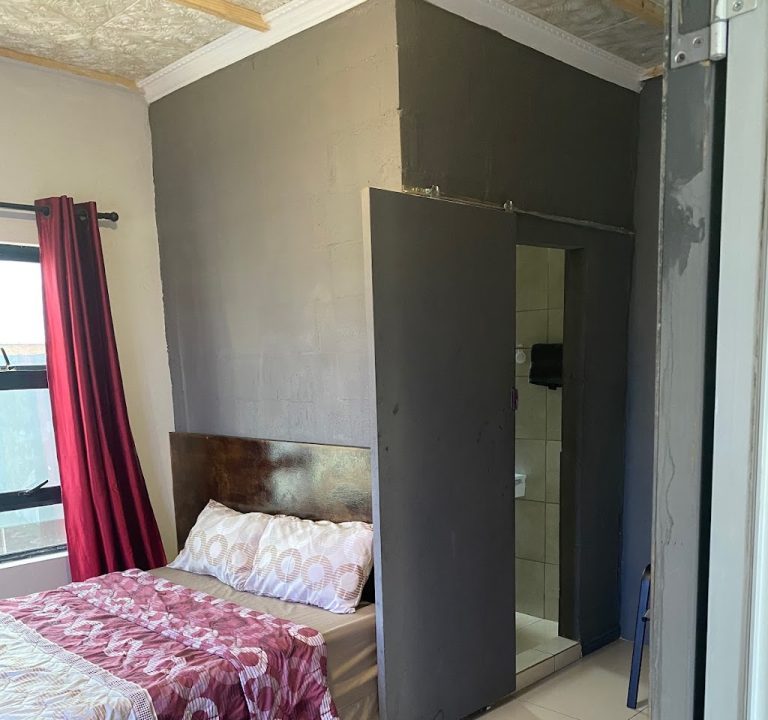
Typical amenities in Cape Town lodgings include en-suite bathrooms, daily housekeeping, and sometimes breakfast options or self-catering facilities. In coastal areas, a balcony or terrace with sea views can be a real bonus. Families often appreciate suites or interconnecting rooms, while couples may prefer intimate, well-designed spaces with plenty of character. For longer visits, look for a kitchenette or access to a shared kitchen, laundry facilities, and a guest lounge or outdoor seating area to unwind after a day of exploration. A reliable hot shower and comfortable climate control are practical considerations in any season.
Transport in Cape Town is straightforward but varies by area. The MyCiTi Bus network covers many routes and is useful for budget-conscious travellers. Uber and other ride-hailing apps are widely available and convenient for evening meals or trips to the theatre. If you’re planning winery day trips or coastal drives, renting a car can offer greater flexibility, especially in the winelands or the Cape Peninsula. If you prefer not to drive, look for accommodation near major hubs or route stops to simplify day trips and sight-seeing itineraries.
Best time to visit Cape Town depends on what you want from your trip. The city enjoys warm summers (roughly December to February) that are ideal for beaches, outdoor markets and garden visits, though harbour breezes can keep conditions pleasant most days. Spring (September to November) and autumn (March to May) offer milder temperatures and fewer crowds for iconic hikes and sightseeing. Winter (June to August) can be cooler and windier, but it’s also a season when you’ll find quieter streets and good-value stays. Whatever season you choose, plan outdoor activities for mornings and use the late afternoons for city strolls and meals as light fades over the Atlantic skyline.
For a balanced itinerary, mix outdoor adventures with cultural experiences. You can take a cablecar up Table Mountain for panoramic views, ride a harbour cruise, or explore the lush Kirstenbosch National Botanical Garden. The Cape Peninsula offers dramatic coastal drives and the chance to spot wildlife along the coastline, while the Cape Winelands are a short drive away for a day of wine tasting and scenic vineyard lunches. Robben Island, in the former prison’s shadow, provides a poignant historical perspective and is well worth booking in advance. In parallel, Cape Town’s neighbourhoods host markets, arts and craft fairs, and a diverse culinary scene that spans bistro-style eateries, bakeshops and fine-dining experiences.
When it comes to eating out, you’ll find a wide spectrum of options, from casual eateries with fresh seafood to modern bistros and long-standing favourite family-run establishments. Many guest houses and hotels offer breakfast inclusions or light meals, and a growing number of places publish seasonal menus and wine-friendly pairings. If you’re staying near the Atlantic coast, you may enjoy breezy lunch spots with sea views; in the City Bowl, you can stroll to a range of eateries within short distances of your accommodation. Always check in advance for dietary options and book ahead during peak seasons to avoid disappointment.
As a practical note, pack for varied weather. Cape Town’s coastal climate can change quickly, so a light layer for evenings and a sunhat for daytime hours are sensible. Bring sturdy walking shoes for hills and nature trails, and plan carefully for longer day trips with a map or a reliable mobile data plan. If you’re staying at Mila Lodge, a guest house known for its personal touch in the city, you may find hosts helpful for tailoring your days to fit weather and energy levels, with recommendations that align to personal interests.
- Look for calm, clean rooms with a comfortable bed and decent soundproofing
- Choose a location that aligns with your planned activities and transport needs
- Check for practical perks: parking, secure entry, flexible check-in, and breakfast options
- Plan a balanced mix of outdoor adventures and cultural experiences
Ultimately, Cape Town rewards travellers who pick a neighbourhood that suits their rhythm, secure comfortable accommodation, and build in some flexibility to enjoy the city’s natural drama, culinary variety and vibrant culture. With careful planning, you’ll be able to experience both its iconic sights and its quieter, characterful corners.