Where to stay in Johannesburg and how to make the most of your visit
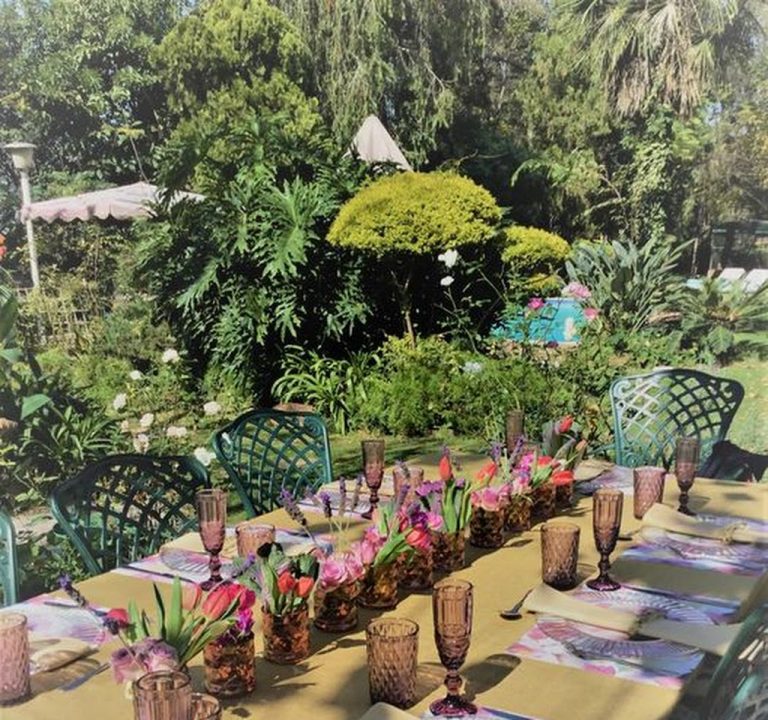
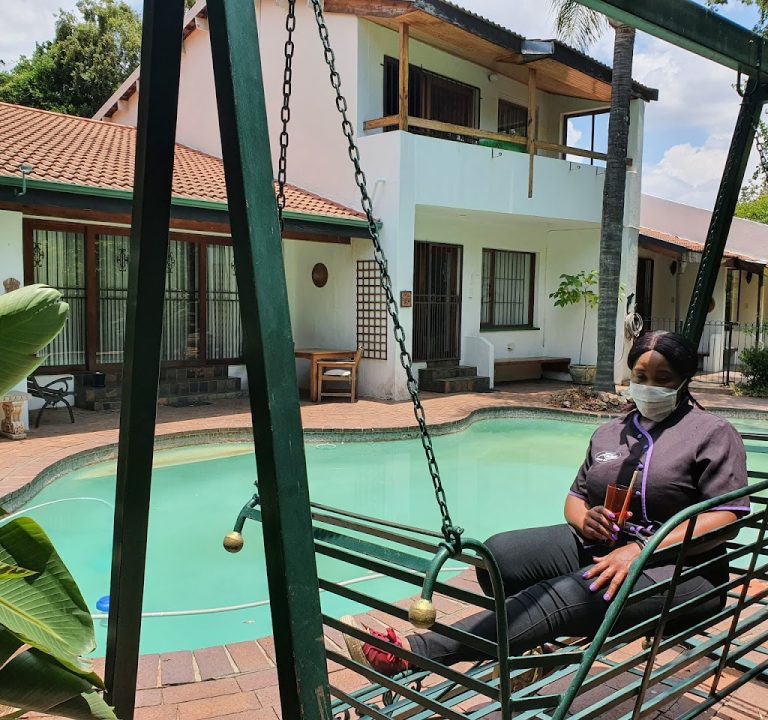
Johannesburg, or Jo’burg as many locals say, is a sprawling city of contrasts where modern high‑rise districts sit alongside leafy suburbs and vibrant cultural hubs. When planning a stay, it helps to anchor your itinerary around a few key areas, each with its own character, transport links and dining scenes. Whether you prefer a boutique bungalow, a stylish hotel, or a country house with spa comforts, Johannesburg offers options to suit a wide range of travellers and budgets. Riverbend Country House & Spa, for example, represents the type of accommodation that blends relaxed countryside ambience with convenient access to city attractions, making it easy to balance downtime with sightseeing.
Sandton is the beating heart of Johannesburg’s business and shopping districts. It is characterised by modern hotel towers, luxury malls, and a smooth transport network. If you want dependable comfort with quick access to corporate venues or high‑end dining, this is a solid base. Rosebank and Illovo provide a slightly calmer atmosphere while remaining within easy reach of galleries, markets, and a thriving cafe scene. Braamfontein is perfect for travellers who enjoy a lively urban campus vibe, street art, and a central location that puts museums and nightlife within walking distance. For a more bohemian atmosphere, Maboneng Precinct and the neighbouring Fox Street area offer boutique stays, quirky eateries and a walkable city experience. Northcliff, Parkview and nearby Greenside offer leafy residential settings and a quieter pace, ideal if you prefer a restful retreat with easy access to the city centre by car or ride‑hailing services.
When choosing accommodation, consider how you will travel around. Johannesburg’s public transport is improving but still varies by neighbourhood. The Gautrain provides fast links to Pretoria and the airport for longer day trips, while Uber and local ride‑hailing apps are widely used within the city. If you plan day trips to the Cradle of Humankind, the Sterkfontein Caves, or other natural and cultural sites, look for a hotel offering parking or easy access to commuter routes. Some guesthouses and boutique hotels in residential areas may offer private shuttle options or partner with reputable tour operators for safe, organised day trips.
Typical amenities to look for include reliable Wi‑Fi, secure parking, 24‑hour reception, and a choice of on‑site dining or a well‑appointed room with a kettle and minibar. In many Johannesburg properties, breakfast is either included or available as a substantial offer, helping travellers start the day before venturing out to markets such as the Neighbourgoods Market, or to the city’s acclaimed museums and galleries. If you’re seeking a spa or wellness focus, smaller country houses or boutique hotels frequently provide spa facilities or access to nearby wellness partners, which can be a lovely counterbalance to busy sightseeing days.
Plan your stay around practical timings. August to December generally offers pleasant weather and longer days for outdoor explorations. Summer months (December to February) can be hot, with the possibility of afternoon showers, while winter (May to August) is typically cool and dry. Council‑run or city‑run events—such as markets, food stalls, and cultural performances—often align with weekends, making midweek stays a great way to enjoy quieter streets and more flexible dining options.
In terms of dining, Johannesburg’s restaurant scene spans elegant fine dining, contemporary grills, and casual African‑inspired eateries. In central and northern districts you’ll encounter stylish bistros, rooftop bars, and eateries offering modern takes on traditional South African flavours. In addition to restaurant discoveries, the city’s markets and pop‑up food events provide opportunities to sample a range of regional dishes in a relaxed setting. When budgeting, plan for a mix of the occasional splurge and more affordable meals, which helps you stretch your stay without missing out on highlights.
Attractions and experiences to consider as part of a balanced itinerary include galleries and museums that illuminate South Africa’s complex history and contemporary culture, scenic drives or walks in parks and nature reserves nearby, and neighbourhood walks to observe street art and architectural contrasts. If you enjoy theatres, live music, and cinema, look for venues in central districts and historic precincts with programmes that celebrate local artists. While specific venues and prices change, the general idea is to plan a few core experiences—an art or history visit, a market morning or afternoon, and a memorable meal—then leave the rest open for spontaneity.
Practical planning tips for a smooth stay:
- Book accommodation with easy access to main arteries and reliable transport options, especially if you plan to visit multiple districts or sights in a single day.
- Check the cancellation policy and whether breakfast or parking is included in the rate.
- Ask about airport transfers or flexible check‑in times if your schedule is fluid.
- Consider a two‑to‑three night baseline stay in a central area to reduce daily driving and maximise time exploring.
- Pack comfortable walking shoes for exploring a city that blends modern streets with historic neighbourhoods.
Johannesburg rewards curious travellers with a dynamic mix of urban culture, green spaces, and culinary variety. By selecting a well‑located base, balancing busy days with downtime at a characterful property such as Riverbend Country House & Spa, and planning ahead for transport and experiences, you can enjoy a rewarding and relaxed Johannesburg stay that captures both the energy and the warmth of this remarkable South African city. For more information and inspiration, you can visit the city’s official tourism pages and explore suggested itineraries that reflect current events and seasonal highlights.