Where to Stay and What to Do in Johannesburg, Gauteng
Johannesburg is a dynamic gateway to South Africa’s cultural heritage and modern urban experiences. When planning a stay, consider choosing a neighbourhood that matches your interests and pace, from leafy suburbs with boutique guesthouses to bustling city centres with convenient access to galleries, markets and restaurants. A well-chosen base makes it easy to explore the city’s attractions and to enjoy comfortable, traveller-friendly amenities.
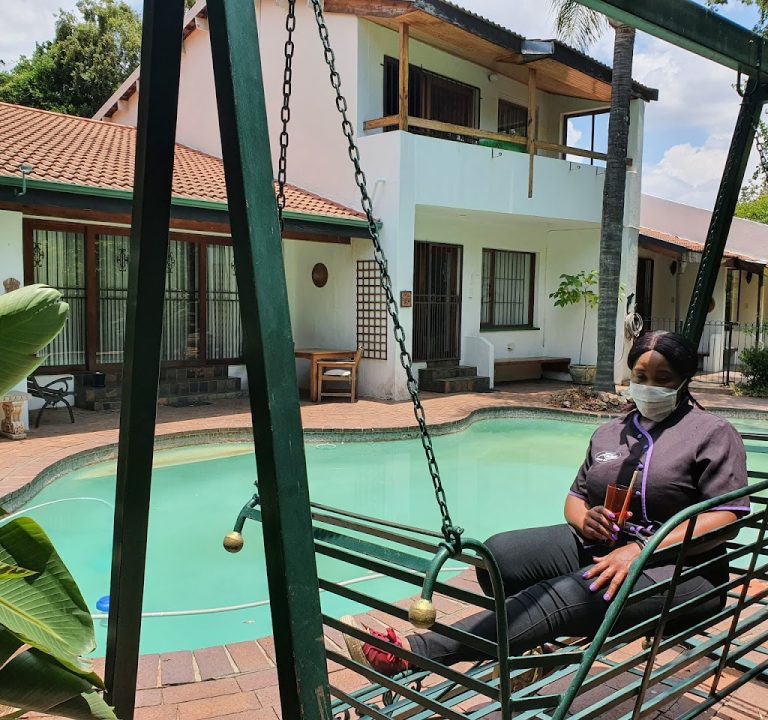
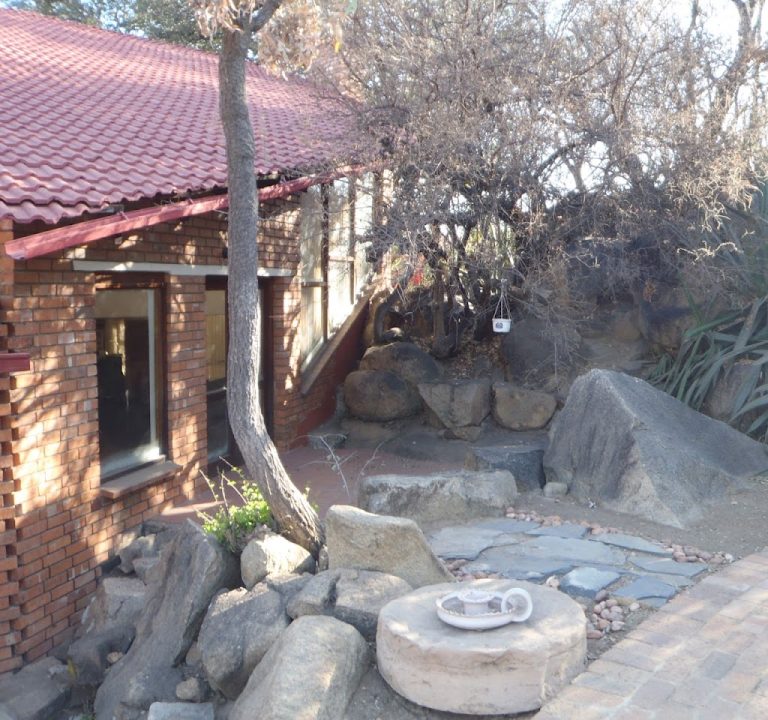
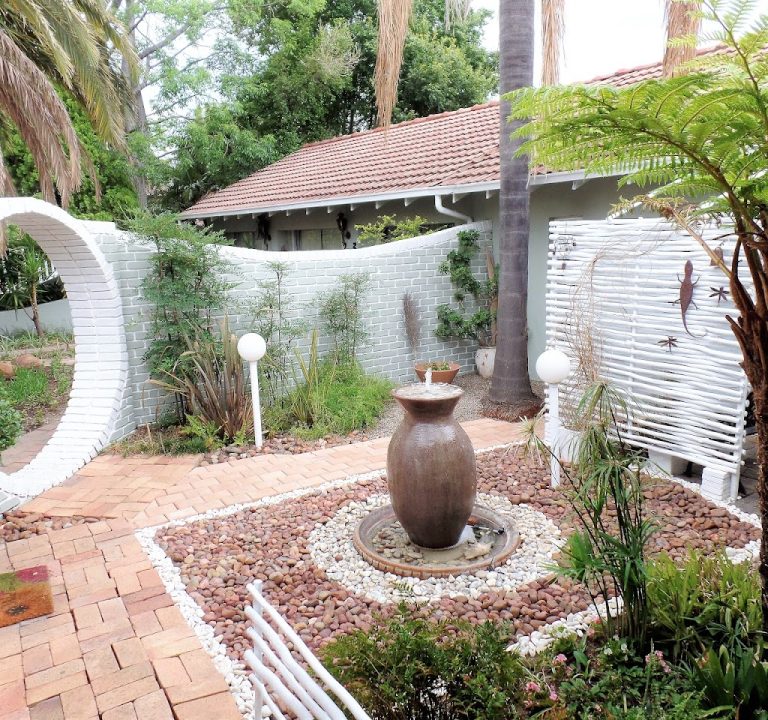
Accommodation options in Johannesburg range from guest houses and boutique hotels to modern apartments and larger hotels. Look for places that offer secure parking or easy access to public transport, reliable Wi‑Fi, and helpful staff who can tailor recommendations for day trips or dining. Many properties in sought-after areas provide intuitive layouts, good breakfast options, and flexible check‑in arrangements, which can be a big plus after a long flight or a busy day of sightseeing. If you are considering a stay at a guest house such as Guest House Oaktree, you’ll likely find a personalised touch, with attention to guest comfort and quiet spaces in addition to local know‑how on nearby dining and experiences. You can visit the property’s website for up-to-date information and booking details.
Areas to consider when booking:
- Sandton and Sandton City: a cosmopolitan hub with stylish hotels, easy access to business districts, and upscale dining and shopping. Ideal if you want a metropolitan base with quick connections to the northern suburbs.
- Rosebank: convenient for transport links, including the Gautrain to the airport and other towns. Rosebank combines boutique stays with markets, cafés and galleries.
- Braamfontein and Maboneng: emerging, creative districts with vibrant street life, galleries, and brunch spots. Good for shorter stays and urban exploration on foot or by rideshare.
- Soweto and the south-western suburbs: for cultural depth and guided heritage experiences. Choose a well-reviewed guest house or small hotel that offers arranging tours and safe access to attractions.
Typical amenities to look for include secure on-site parking or easy street parking, 24‑hour reception or clear access to staff, complimentary or affordable breakfast, and spaces to relax after a day of exploring. Practical extras such as a security safe, climate control, reliable hot water, and clear directions to major routes help with comfort and planning. If you intend to travel by car, check easy access to major arterials like the M1 and N1, and confirm whether the property can assist with airport transfers or reliable taxi providers.
Transport and planning tips:
- utilise the Gautrain for quick travel between the airport and key hubs such as Sandton and Rosebank; plan ahead for peak travel times when traffic congestion can be significant.
- Consider short rides to avoid heavy traffic during business hours, especially when visiting Soweto or the southern townships for cultural experiences.
- Ask your host or hotel concierge for maps and recommended routes for walking tours and safe neighbourhood eateries.
The best time to visit Johannesburg is generally the shoulder seasons of spring and autumn when the climate is mild and outdoor activities are comfortable. Summers can be warm and humid with the possibility of late afternoon thunderstorms, while winter is typically cool and drier. Pack layers, a light rain jacket, and comfortable walking shoes. If you plan outdoor experiences or markets, mornings are often cooler and quieter, which helps when navigating busy streets and popular spots.
Planning a stay in Johannesburg also means balancing indoor comforts with outdoor and cultural experiences. In a typical itinerary, you might start with a relaxed morning in a café or hotel garden, followed by a visit to museums or historical sites that offer context on South Africa’s past and future. Afternoon options include rooftop views, markets, and galleries, culminating in a restorative dinner at a restaurant that highlights the city’s multicultural cuisine. When selecting a restaurant, consider places that offer varied menus, good wine or local craft beer options, and seating that suits your mood—whether you’re seeking a buzzy scene or a quieter, intimate setting.
Attractions and experiences to consider, in broad terms:
- Museums and cultural centres that tell the story of South Africa’s journey toward democracy.
- Heritage sites and guided tours that explore township histories and local communities—choose operators with verified credentials and published safety practices.
- Markets, street food scenes, and neighbourhood eateries that showcase diverse cuisines and craft gifts.
- Architectural walks or rooftop viewpoints to appreciate the city’s skyline and urban design.
When booking accommodation, it’s sensible to read guest reviews focusing on cleanliness, staff courtesy, and the accuracy of described facilities. Check policies on cancellation and whether there are any additional charges for parking, breakfast, or late check‑in. If you have accessibility needs, confirm room features such as grab rails, step-free entry, and elevator access before confirming your booking. For travellers planning longer stays, balance convenience with a neighbourhood that feels safe, walkable, and connected to the places you want to explore.
For more information or to plan a particular stay, you can visit the recommended accommodation’s official site, which often provides practical tips, maps, and suggested day trips. As a starting point, a well-positioned guest house in a central city area can offer a comfortable, home‑from‑home base with personalised attention, helping you to get the most from Johannesburg’s breadth of experiences.