Johannesburg: Accommodation, neighbourhoods and experiences
Johannesburg, or Jo’burg as locals often say, offers a vibrant mix of guest houses, boutique hotels and comfortable lodges that provide a gateway to Gauteng’s city and beyond. When planning a stay, consider the character of the neighbourhood, distance to core attractions, and the type of experience you want—hotels with business facilities, cosy B&Bs with home-from-home charm, or modern guest houses that blend security with a relaxed atmosphere. A well-situated base can make day trips or evenings out straightforward, especially if you are relying on public transport or ride-hailing services.
Neighbourhoods to consider range from the leafy, centrally located areas to more energetic, creative districts. Sandton is convenient for business travellers and those who want easy access to major shopping and conference venues. Rosebank combines markets, galleries and a strong dining scene with good transport links. Braamfontein and the Maboneng Precinct offer a mix of characterful boutique stays and a lively urban backdrop, ideal for travellers who enjoy street art, galleries and a walkable city centre. For a more historical and regenerative atmosphere, areas near the central business district and Joubert Park can provide a glimpse of the city’s past alongside modern eateries and culture. If you are seeking quieter streets and easy access to parks and family-friendly amenities, consider suburbs a short drive from the city centre.
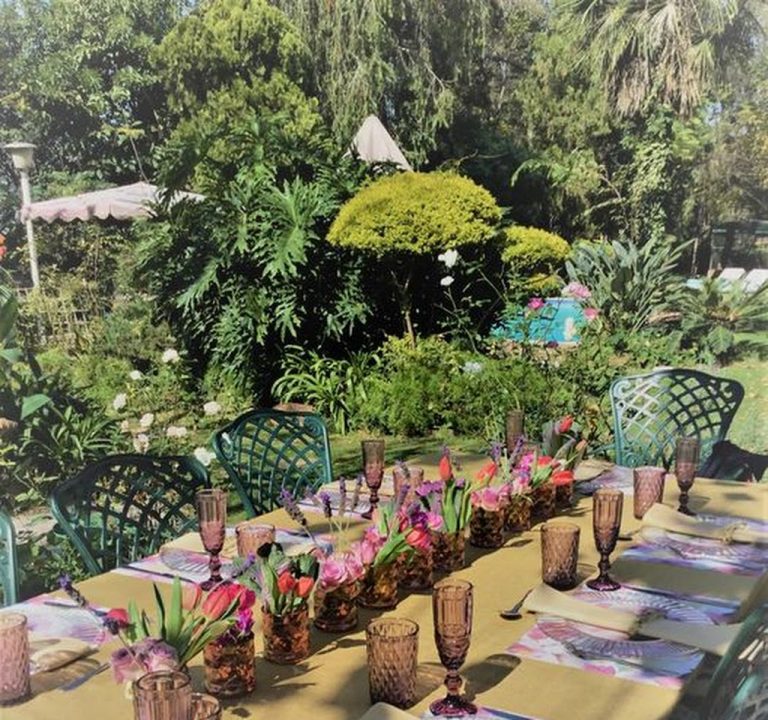
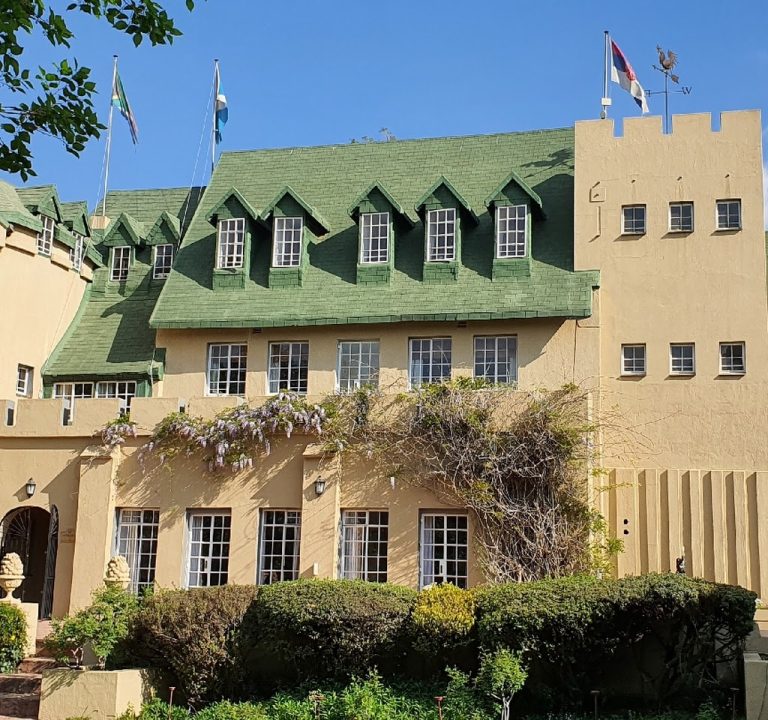
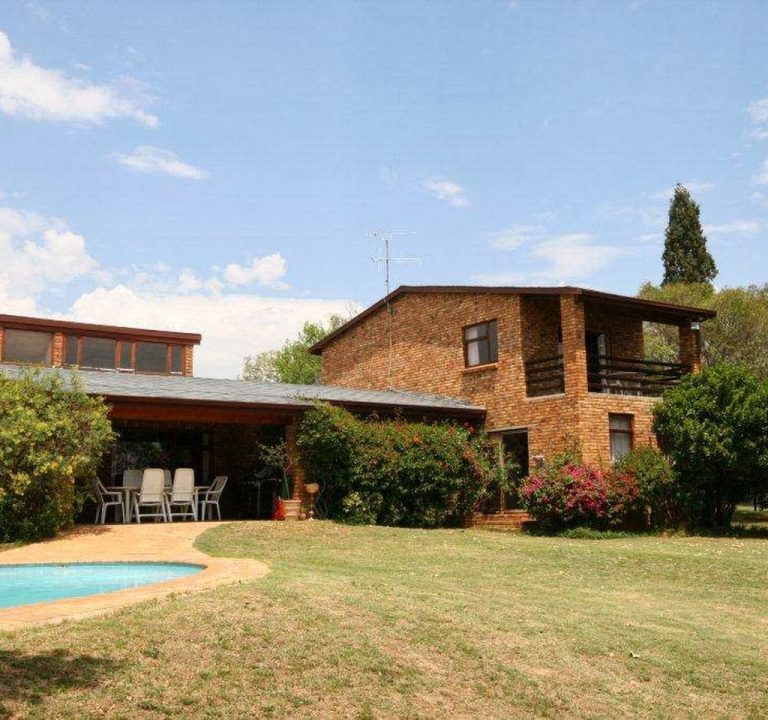
One example of a guest-friendly option is Stable Cottage, a guest house style stay known for its welcoming atmosphere and practical comforts. Properties like this often provide a compact, well-kept room, a shared or private dining space, secure parking and helpful tips from hosts on local dining and transport. When researching accommodation, look for clear photos, honest guest reviews, and information about on-site parking, breakfast arrangements, and security features. A description that reflects the true size of rooms, the availability of daily housekeeping, and the reliability of Wi‑Fi can save you time and help you plan with confidence.
Typical amenities to expect in Johannesburg accommodation include a complimentary breakfast or access to tea and coffee, free and secure parking, reliable Wi‑Fi, and towels and toiletries. Some properties offer small kitchen facilities, laundry services, or flexible check-in options. If you are travelling by car, confirm parking arrangements and whether there are any additional fees. For those relying on public transport, proximity to bus routes, rail links or rideshare pickup points can be a practical consideration. A property with good security features, well-lit pathways and a friendly, communicative host can make evening outings feel more relaxed.
Transport in Johannesburg is diverse. The city is well served by an inland rail network and a growing number of ride-hailing options, with the Gautrain providing a fast link between Johannesburg and Pretoria, as well as connections to O.R. Tambo International Airport in a practical travel plan. If you plan to explore beyond the city, organising a driver or renting a car for day trips to nearby attractions can be convenient. When staying in central districts, you may also be able to walk to cafés, markets and local shops, which can add to your experience and help you discover hidden gems off the tourist track.
The best time to visit Johannesburg is generally during the dry season, from late autumn through winter to early spring (roughly May to September) when the weather is mild and outdoor activities are more comfortable. The rainy season can bring afternoon thundershowers, especially in the late spring and summer months, but it can also offer lush landscapes and cooler evenings. If you enjoy festivals and street markets, plan around annual cultural or music events, but always check current schedules and access routes in advance.
When planning activities, consider a balanced itinerary that includes both cultural experiences and downtime. In terms of attractions, you’ll find museums and memorial sites that explore South Africa’s history, galleries and markets that showcase local art, and parks or gardens that provide a leafy break from the urban pace. Dining in Johannesburg ranges from modern bistros to casual eateries offering flavours from across the continent and beyond. In general terms, expect fresh, flavourful dishes, a bustle of social spaces, and a mix of cafés and restaurants that suit different budgets and tastes. If you want to sample a flavour of the city, look for venues that are popular with locals, reasonable in price, and convenient to your accommodation base.
- Check proximity to transport links (train, bus routes, or ride-hailing hubs) for easy exploration.
- Confirm breakfast and parking arrangements, plus any security features such as gated access or 24-hour reception.
- Review cancellation policies and flexible booking options in case plans change.
- Look for guest reviews that mention cleanliness, responsiveness of hosts, and accuracy of listings.
- Ask about recommended day trips or safe neighbourhoods for evening strolls.
Practical tips to make the most of your stay: keep a light bag for city strolls, plan a couple of longer days around a central hub to limit transport time, and use local markets or eateries to fuel longer explorations. A well-chosen base in Johannesburg can transform a visit into a well-paced blend of culture, shopping, dining and heritage, with opportunities to discover new corners of Gauteng while returning each night to a comfortable, welcoming space.