Discover Johannesburg: Where to Stay and What to Do
Johannesburg, or Jo’burg as many locals call it, is a dynamic gateway to Gauteng’s urban heartbeat. A stay here blends vibrant city life, historic and cultural sites, and easy access to nearby nature and wine country. From stylish boutique stays to larger family-friendly hotels, the city offers accommodation that can suit a range of budgets and preferences. When planning a visit, consider not only the style of lodging but the neighbourhood, transport connections, and the rhythm of the day you hope to enjoy.
Neighbourhoods to consider include the central business district and nearby Maboneng for artsy, walkable streets with cafés, markets and galleries; Sandton and Rosebank for modern conveniences, malls, and business travel convenience; and Melville or Parktown for a more relaxed, leafy ambience with boutique options. For a sense of history paired with easy access to multiple sights, stay close to the city centre or in one of the leafy northern suburbs. If you’re seeking a quieter base with easy access to wildlife experiences, consider a lodge or guesthouse on the northern outskirts that still offers convenient road links into the city and beyond.
When booking, look for practical amenities that smooth a stay in South Africa’s climate and traffic patterns. Helpful features include reliable air conditioning for hot days, strong wifi, secure parking or good public transport access, and a flexible cancellation policy. A compact kitchenette or self-catering option can be especially handy if you prefer to prepare light meals after long days of sightseeing. On-site facilities such as a welcoming continental or cooked breakfast, a small bar or café, a courtyard or rooftop space, and helpful staff who can advise on local routes and safety are particularly valuable in busy urban settings.
Transport is a key element in planning. Johannesburg is well connected by a network of roads and major highways, with ride-hailing apps offering a convenient way to traverse the city. If you plan day trips, consider the distance to popular neighbourhoods and major sights, and check whether your accommodation provides parking or easy access to reliable public transport. For those staying near business hubs or commercial districts, short commutes are feasible, while guests seeking cultural immersion often enjoy exploring on foot or by light rail where available.
The best time to visit Johannesburg combines favourable weather with manageable crowds. Spring (September to November) and autumn (March to May) bring milder temperatures and pleasant days for outdoor exploration. Winter (June to August) can be cooler, with dry, sunny days, perfect for city walks and museum visits. Summer (December to February) can be hot, with occasional showers; it is still a lively period with outdoor markets and events, but plan for indoor options during peak heat. If you are game for a longer stay, consider extending your visit to nearby attractions such as parks, reserves, and historic towns within a short drive.
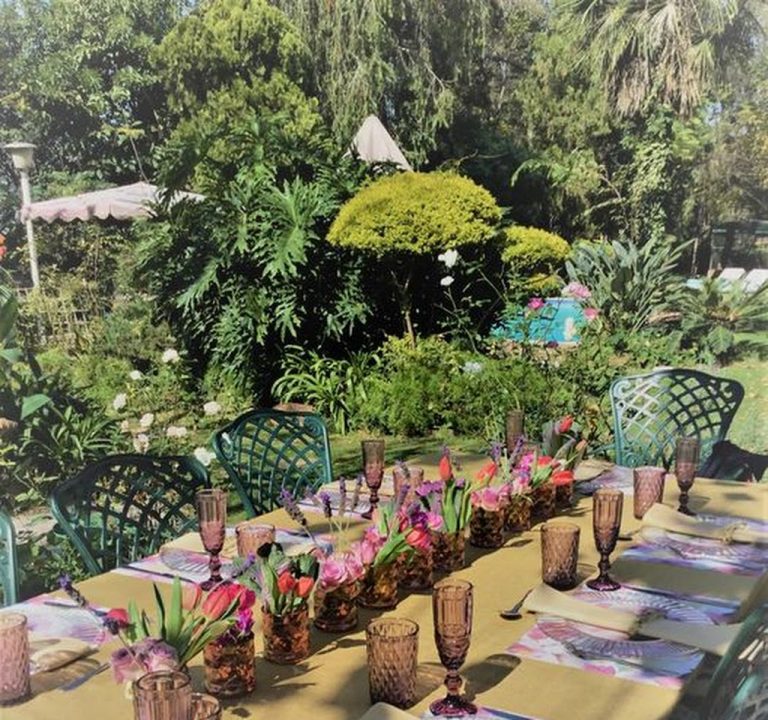
Dining out is an essential part of a Johannesburg stay. The city’s food scene reflects its multicultural makeup, ranging from traditional African flavours to modern international cuisine. In many areas you’ll find vibrant markets, casual cafés, and fine dining options clustered around well‑connected precincts. When planning meals, you can rely on a mix of well-reviewed eateries and hidden gems shared by locals. If you wish to explore more independently, many accommodation providers can recommend neighbourhood staples and current favourites, highlighting places that offer good value and consistent service.
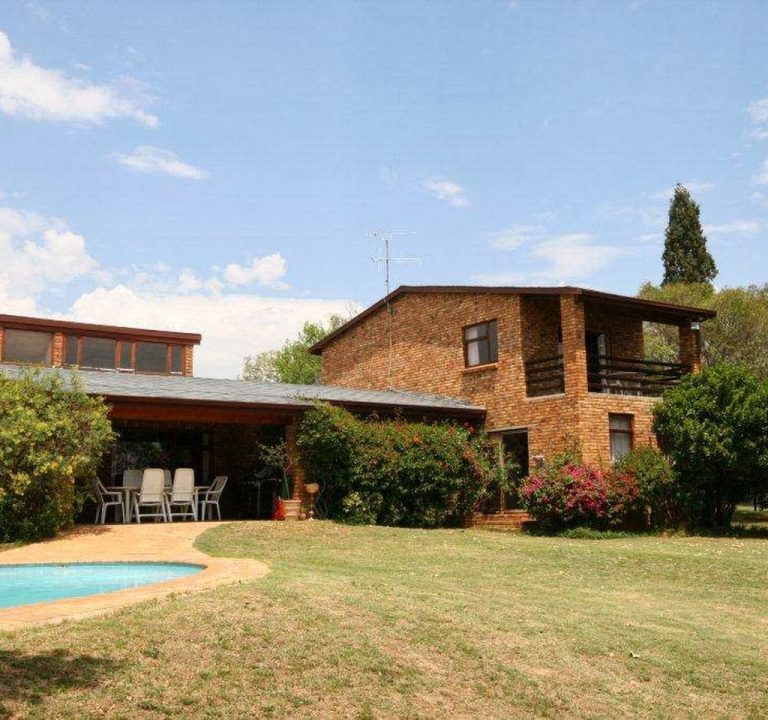
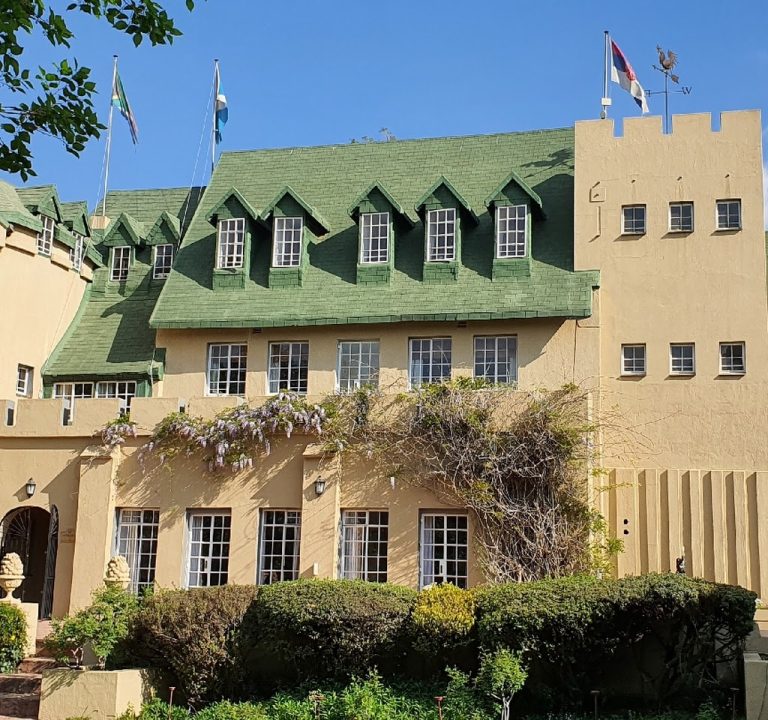
Accommodations in Johannesburg vary from intimate guesthouses to stylish hotels and serviced apartments. A suggested approach is to balance atmosphere with convenience:
- Boutique guesthouses or small hotels in central or leafy northern suburbs often provide a personalised welcome, detailed local knowledge, and a calmer base for evening strolls.
- Mid‑range hotels in key precincts typically combine comfortable rooms with practical amenities such as breakfast options, secure parking, and easy access to public transport.
- Self‑catering apartments or lodges can be particularly convenient for families or longer stays, offering flexibility and space.
For travellers looking to book with a recognised brand or group, Rakoma Properties & Hotels represents one example of a property cluster that emphasises guest comfort and accessibility. To learn more about their offering and availability, you may visit their official site at Rakoma Hotels.
Practical tips to make the most of your Jo’burg stay include: planning a realistic daily itinerary to avoid peak traffic times, packing a lightweight layer for cooler evenings, and carrying a small amount of local currency for markets or small vendors. Always request directions to your lodging’s entrance and confirm late‑night access with reception if you anticipate late arrivals. Finally, maintain a watchful eye on personal belongings in crowded areas and use reputable transport options for longer trips or night outings.
With careful planning, Johannesburg can be a compelling launchpad for exploring Gauteng’s cities, culture, and countryside. A well‑chosen base, thoughtful daily planning, and openness to local recommendations will help you feel at home in this energetic and diverse urban landscape.