Riptide: Lodging in Cape Town – where to stay and what to plan
Cape Town, with its dramatic coastline, sculpted mountains and vibrant harbour, offers a diverse range of accommodation that can suit every traveller. Whether you favour a boutique guesthouse tucked along a colour-washed street, a stylish apartment with sea views, or a family-friendly lodge on the edge of the city, planning ahead helps you maximise your time and minimise stress. The key is to align your stay with the experiences you want to savour, from beach days on the Atlantic Seaboard to easy access to the city’s famed viewpoints and cultural neighbourhoods.
Areas to consider when choosing where to stay. The Atlantic Seaboard including Camps Bay and Clifton is ideal for scenic beaches and sunset dining, with proximity to coastal walks and rugged cliffs. The Victoria & Alfred (V&A) Waterfront and the City Bowl put you within easy reach of central sights, markets, museums and a lively restaurant scene. Green Point and the Green Point Stadium area offer a compact, walkable base with good connections to the coast, parks and the famous Sea Point promenade. Constantia is perfect for those who crave a quieter, more verdant setting and access to wine estates, while Kalk Bay and Muizenberg provide a more relaxed, coastal village atmosphere with charming guesthouses and sea views. Consider your preferred pace, as some neighbourhoods are busier and more tourist-oriented, whereas others are tranquil and residential.
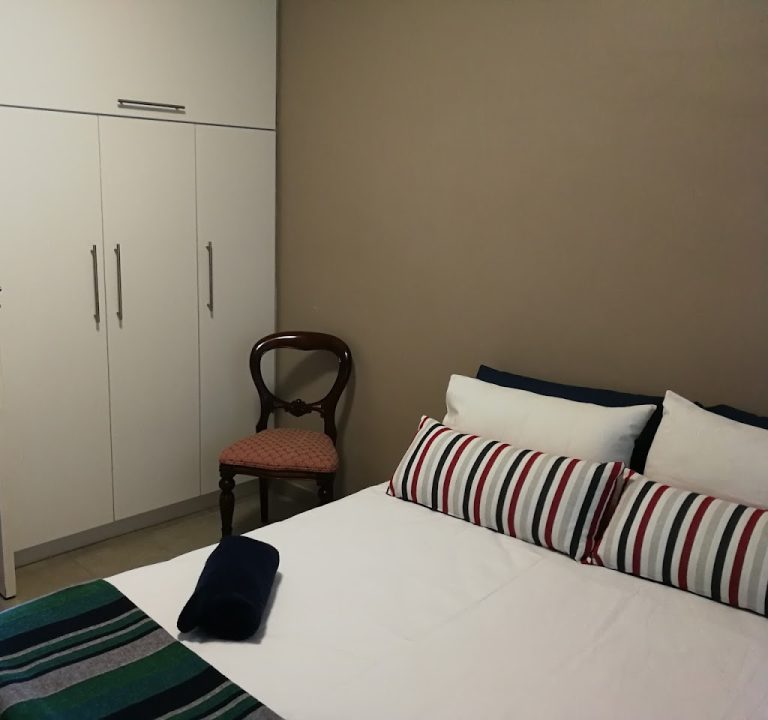
Typical amenities worth seeking. Look for reliable Wi‑Fi, a comfortable bed with quality linen, adequate storage, and a well-equipped kitchen or kitchenette if you plan to self-cater. A private or shared lounge, outdoor spaces, secure parking or good public transport links, and daily cleaning services can make a stay more convenient, especially for longer visits. In many guesthouses and lodges, a hot breakfast is standard, while some smaller inns offer dinner or shared dining rooms. Seasonal outdoor spaces, such as a balcony or pool area, are especially welcome during Cape Town’s sun-filled months. If you require accessibility features, check in advance about stairs, lift access, and shower configurations.
Transport and getting around. Cape Town’s geography means you’ll benefit from having a plan for travel between the coast, the mountains and the city. The MyCiTi bus network provides a straightforward way to move between major hubs, while Uber and other ride-hailing services are commonly used for evenings out. If you’re staying near the waterfront or in the central city, walking can be perfectly feasible for daytime exploration. Consider proximity to sights you want to prioritise, such as viewpoints, beaches, markets and dining districts, and ask hosts about the best local routes or transfer options. If you’ll hire a car, verify parking arrangements and access to the highway network that leads to the Constantia valley, Cape Point, or nearby wine destinations.
Best time to visit. Cape Town’s appeal spans seasons. Summer (December to February) brings long days, warm seas and outdoor events, but it can be the busiest and most crowded period. Autumn (March to May) offers milder weather, fewer crowds, and beautiful light for harbour views and Table Mountain. Winter (June to August) is cooler and wetter, yet it’s a fine time for museums, wine harvest activities in neighbouring regions, and a quieter city ambience. Spring (September to November) delivers fresh greenery, blooming horticultural displays and pleasant outdoor temperatures. Consider your tolerance for winds, seasonal crowds and price fluctuations when planning your dates.
Practical tips for planning a stay in Cape Town. Book accommodation with flexibility where possible, particularly if your plans might shift due to weather or bookings on popular routes. Read recent guest reviews for real-world guidance on noise levels, cleanliness, and service, rather than relying solely on photos. When arranging airport transfers or day trips, confirm pick-up times and whether a driver will wait for you in case of delays. Pack for variable conditions: mornings by the sea can be cool, while afternoons on the promenade or beaches may require sunscreen and light layers. If you’re visiting nature reserves or coastal drives, bring sensible footwear and a compact neck scarf or jacket for breezy cliff-top viewpoints. Always carry a water bottle and stay hydrated on warm days, particularly during longer outings or hikes up Table Mountain or along the Cape coastal paths.
Attractions and dining in general terms. Cape Town offers a wealth of natural and cultural experiences, from iconic viewpoints and harbour cruises to markets, galleries and neighbourhood eateries. Many visitors enjoy scenic drives along the coastline, taking in the views from elevated lookouts, and exploring nearby wine regions for day trips. Dining ranges from casual cafés with ocean vistas to more refined restaurants that showcase South African produce. In addition to the city’s renowned places, local neighbourhoods host creative workshops, craft markets and family-friendly activities. For updated recommendations and reservations, consult the accommodation hosts or local tourism information online, which can guide you to current events, seasonal menus and family-friendly options without committing to any specific names.
Further planning resources. When you book, ask about continental breakfast options, room configurations for groups, late check-in policies, and the availability of recommendations for private tours or guided walks. If you’re exploring beyond Cape Town for day trips, you can plan visits to nearby coastal towns or wine estates with a focus on scenic routes and comfortable pacing. For more ideas and practical planning, you may visit official tourism sites or trusted travel guides that outline routes, safety tips, and adaptable itineraries suitable for different interests and budgets.