Discovering Cape Town: Accommodation, Attractions and Local Experiences
Cape Town, a city of striking contrasts and natural beauty, offers a wide range of staying options that suit every traveller. From boutique lodges perched above the Atlantic to stylish city apartments in the heart of the action, planning a stay in this dynamic destination is about balancing comfort with access to sights, dining and easy transport. A good approach is to pick a base that minimises daily travel time while still letting you experience the neighbourhoods that characterise Cape Town’s unique character.
When choosing where to stay, consider the area’s vibe and practicalities. The City Bowl and V&A Waterfront areas place you in the centre of culture, dining and nightlife, with quick access to urban attractions and tours. The Atlantic Seaboard, including Camps Bay and Clifton, offers sweeping sea views and a relaxed beach atmosphere, ideal for sunset hours and long coastal walks. Constantia and the Southern Suburbs provide a quieter, more residential feel, plus easy access to the winelands and nature trails. If you prefer a historic quartier with vibrant culture, Bo-Kaap and its colourful streets deliver a distinctive Cape Town experience. For those planning day trips to the Cape Winelands or Cape Point, a lodge or guesthouse with good transport links can make these excursions straightforward rather than stressful.
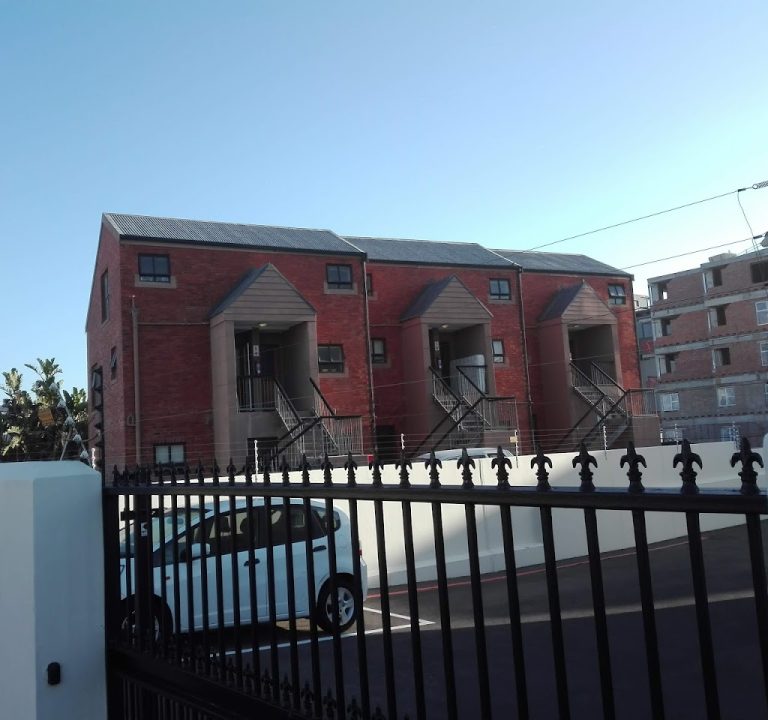
Monte Blu represents one example of accommodation that travellers might encounter in this varied market. As a lodging option, it is helpful to think about what it offers beyond a place to sleep: characterful interiors, thoughtful design, comfortable beds, and reliable Wi‑Fi for planning day trips or catching up on travel photos. When evaluating any property, look for clean communal spaces, clear housekeeping schedules, and a responsive host or front desk team who can provide local tips, restaurant recommendations and quick assistance if plans change.
Typical amenities across Cape Town’s lodging spectrum include en-suite bathrooms, equipped kitchens or small kitchenettes, coffee or tea facilities, and good in-room storage for longer stays. Guesthouses and boutique lodges often incorporate communal spaces such as lounges and terraces, which can be ideal for meeting other travellers or simply taking a quiet moment with a view. In urban settings, air conditioning or effective heating, secure parking or easy access to public transport, and on-site or nearby dining options can make a big difference. If you value self-catering, check whether the venue offers a fridge, microwave and basic kitchen utensils. For couples and friends, a room with a balcony or sea view can elevate a stay, while families may prioritise larger suites and flexible bedding arrangements.
Transport in Cape Town is generally straightforward but varies by area. The City Bowl is walkable for many attractions, but a short taxi or rideshare ride is often the most convenient way to reach vantage points like Table Mountain cableway, beaches, or detours to the historical neighbourhoods. The MyCiTY bus network and railway lines can help with affordable travel, and many guesthouses and lodges offer parking facilities or shuttle services. If you plan to explore the Winelands, consider a day tour or renting a car for a self-guided itinerary. For coastal exploration, a scenic drive along the Atlantic Seaboard is rewarding, especially at sunset when the views are particularly striking.
The best time to visit Cape Town depends on your priorities. Summer (December to February) brings warm, dry weather ideal for beaches and outdoor activities, though it is also the peak tourist season, so expect busier streets and higher rates. Spring (September to November) and autumn (March to May) offer milder temperatures and fewer crowds, with excellent conditions for hiking Table Mountain, visiting gardens, and enjoying outdoor eateries. Winter (June to August) is cooler and wetter, yet can still be a good time for cultural experiences, wine-tasting in nearby Constantia, and fewer queues for popular sights. Always check local event calendars since festivals, markets and harbour activities can significantly enrich a short stay.
Practical planning tips to help you make the most of a Cape Town visit:
- Book accommodation with clear cancellation terms and flexible check-in options, especially if your plans may shift due to weather or work commitments.
- Look for properties with easy access to safe, well-lit streets, good lighting on arrival, and a friendly front desk or host who can offer route suggestions and inside tips.
- Pack comfortable walking shoes for hilly streets and uneven pavements, plus a light rain layer for unexpected showers.
- Identify a few essential experiences ahead of time, such as a sunrise or sunset viewpoint, a guided cultural tour, and a day trip to the Cape Winelands or Cape Point, to structure your itinerary without feeling rushed.
- Respect local norms and wildlife guidelines in nature reserves and marine areas, and be mindful of peak sun exposure in summer.
When it comes to dining and experiences, Cape Town offers a broad spectrum of options. Many districts host intimate, family-run eateries alongside stylish restaurants offering modern takes on South African favourites. For those who enjoy markets, local food stalls and craft vendors often showcase seasonal produce and artisanal products. For a day away from the city, consider exploring nearby coastal towns or nature reserves that provide scenic walks, safe viewpoints and opportunities to observe marine life or birdlife in season. Always check current hours and booking requirements, and consider reservations for popular spots, especially during peak travel periods.
In short, a well-planned stay in Cape Town balances a comfortable base with day trips that reveal the region’s stunning landscapes, diverse cuisines and welcoming neighbourhoods. By choosing a lodging option that matches your pace—whether you crave sea views, city convenience or tranquil vineyard warmth—you’ll be well set to enjoy Cape Town’s many facets, from its iconic geometry of coast and mountain to its generous warmth and hospitality.