Queenstown, Eastern Cape: accommodation, attractions and planning your stay
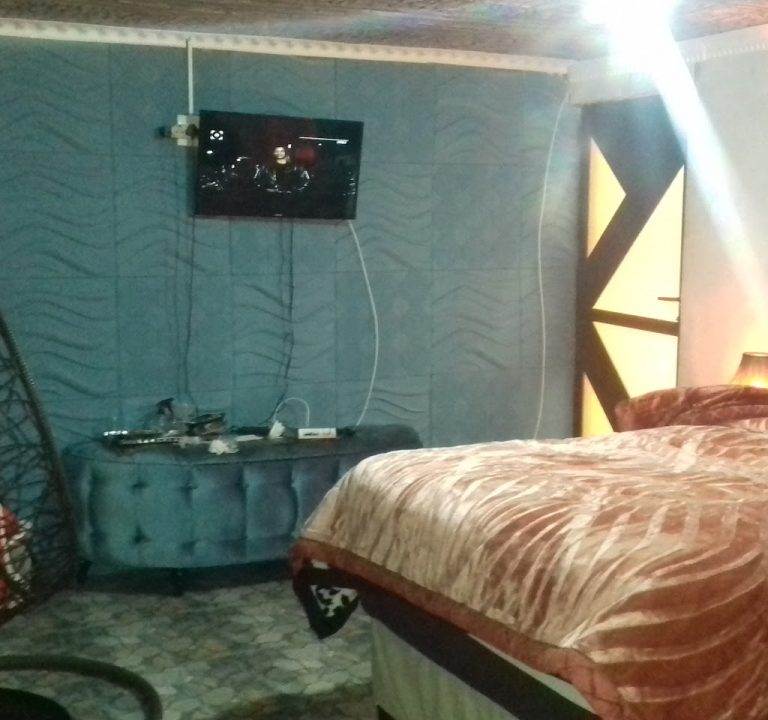
Queenstown in the Eastern Cape offers a welcoming mix of small-town hospitality, wide-open landscapes and a sense of the rural frontier that many visitors seek when exploring South Africa. When planning a stay, consider the surrounding areas as well as the town centre to maximise convenience, scenery and access to amenities. One notable option is Renaissance Guest Farm, a guest house that provides a tranquil base with easy reach to local sights and neighbourhoods.
Accommodation in Queenstown spans guest houses, small hotels, B&Bs and self‑catering options. A guest house such as Renaissance Guest Farm can provide a friendly, family-style atmosphere, often with shared living spaces and continental breakfasts that help guests start the day before venturing out to explore. When choosing where to stay, think about distance to your planned activities, parking facilities, and whether you’ll want in-house dining or access to nearby eateries. Quiet residential streets close to the town centre are convenient for strolls back from dinner, while properties with a farm or rural setting offer bright air and expansive views.
Areas to consider include:
- Town centre and historic precincts for shops, cafés and bakeries on your doorstep.
- Suburban or rural outskirts for larger plots, garden spaces and a countryside atmosphere.
- Proximity to nature trails, parks or viewpoints if your focus is outdoor activities.
- Accessibility to main roads and transfers if you plan day trips to nearby valleys or towns.
Typical amenities you might encounter include comfortable en‑suite bedrooms, secure parking, Wi‑Fi, and welcoming communal spaces. Many guest houses and boutique hotels in Queenstown also offer hearty breakfasts, and some properties arrange lightweight, locally inspired meals or picnics. Look for flexible check‑in and check‑out times, clear cancellation policies and information on nearby dining options. If you rely on public transport, check the frequency and reliability of bus routes or taxis, and ask hosts about arranging safe airport or station transfers if needed.
When selecting your room, consider the size of your party, bed arrangements and whether you need accessibility features. If you travel with pets or children, verify policies in advance. For longer stays, a kitchenette or a self‑catering option can be a practical addition, while a guest house with a communal kitchen and outdoor seating can be a social hub after a day of exploring the area.
Transport in and around Queenstown is typically by road. If you hire a car, you’ll gain flexibility to explore the surrounding countryside and day‑trip to nearby towns and viewpoints. For those preferring not to drive, check whether your accommodation offers shuttle arrangements or is located near reliable taxi services. Packing light layers is wise for the varied climate, and a comfortable pair of walking shoes will help you enjoy gentle rambles or longer hikes in nearby green spaces.
The best time to visit Queenstown depends on what you’re seeking. Spring and autumn bring milder temperatures and pleasant conditions for outdoor activities. Winter can be cooler, with the possibility of stunning clear days perfect for photography and countryside strolls. Summers are generally warm and offer longer daylight hours for daytime excursions. If you enjoy rural markets, seasonal harvests and authentic local produce, planning your visit around market days or community events can enrich your stay. Always check regional weather patterns a few days in advance to tailor your packing and day plans.
Activities and attractions in the Queenstown area are diverse and friendly to a range of travellers. Outdoor enthusiasts can expect scenic drives, short hikes through gentle foothills and viewpoints that reveal expansive landscapes. In town, you can explore historic streets, craft shops and local eateries that showcase South African hospitality and traditions. For a memorable meal, look for restaurants that focus on fresh, straightforward fare, seasonal ingredients and a relaxed atmosphere—ideal after a day on the road or exploring nearby nature trails. While specific venues’ menus and prices are subject to change, you’ll generally find a variety of options from casual cafés to more substantial meals that reflect the region’s agricultural roots.
Practical tips to help you plan smoothly:
- Book accommodation with clear information on parking, access to amenities and cancellation policies.
- Factor in travel time to your planned day trips and consider staying within reasonable driving distance of multiple activities.
- Ask hosts about local recommendations for safe walking routes, viewing points and best times of day for photos.
- Pack layers, a light rain jacket and sun protection, as Queenstown’s climate can shift quickly across seasons.
- Have a rough plan for meals—whether you’ll dine out each evening or enjoy self‑catering or a picnic in a scenic spot.
To enhance your stay, consult reputable tourism websites for Queenstown and the wider Eastern Cape to surface seasonal events, farmers’ markets and community activities. Reader‑friendly guides often offer practical maps and walking routes that suit a relaxed pace or a more active itinerary. With thoughtful planning, Queenstown can provide a serene base for discovering the Eastern Cape’s rural charm, generous hospitality and the wide, open landscapes that define this corner of South Africa.