Staying in Queenstown, Eastern Cape: accommodation, planning and experiences
Queenstown in the Eastern Cape offers a mix of country hospitality and access to nature with a relaxed, rural flavour. When planning a stay, consider where you want to base yourself: in the centre for easy access to shops and cafés, on the outskirts for a quieter countryside setting, or near the surrounding farmland and landscapes that frame the town. Each option brings a different pace and a distinctive view of daily life in this part of South Africa.
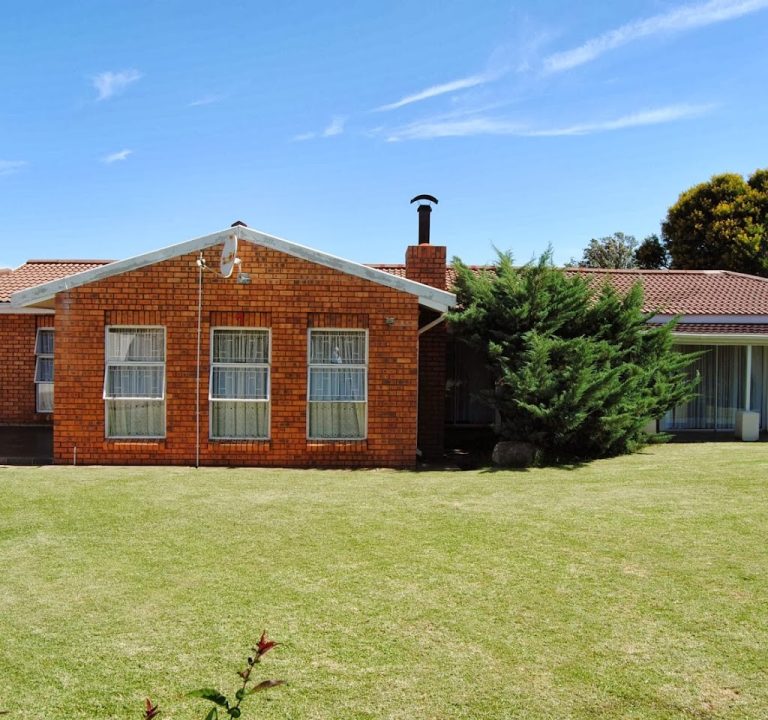
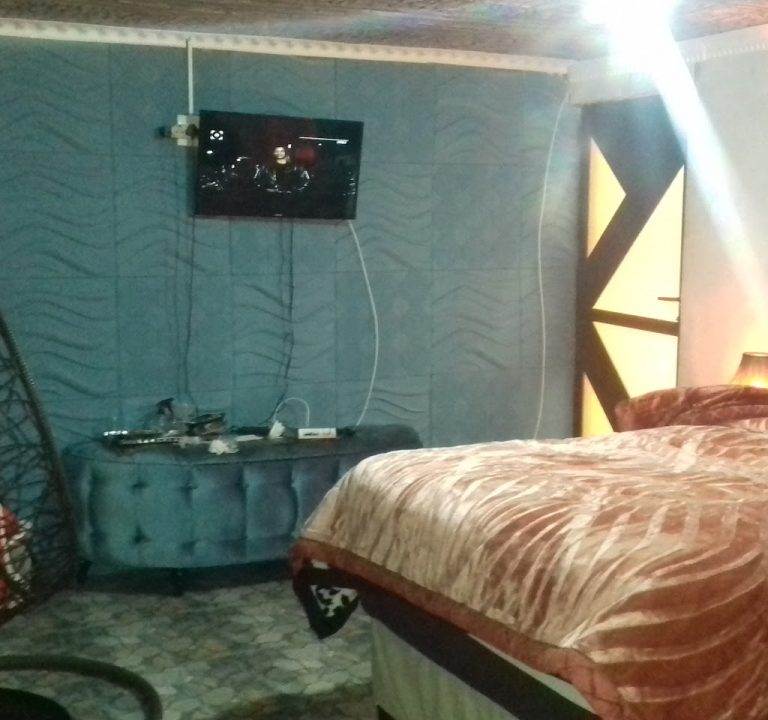
Accommodation options in and around Queenstown range from guesthouses and cosy B&Bs to farm stays and small hotels. The town’s lodges and farms often provide a warm, personal welcome, with hosts ready to share local knowledge, suggest routes for walks or day trips, and help with practical arrangements. For travellers seeking a traditional rural experience, a farmstay such as Maidenhead Country Lodge (where available in the region) can offer an authentic sense of place alongside comfortable, well-equipped rooms. Self-catering cottages and apartment-style units are common too, providing flexibility for families or groups who prefer to cook for themselves after days on the road.
What to look for when booking
- Location and access: Decide whether you want to be close to Queenstown’s town centre or nearer to farmland and scenic routes. Check distance to key sites you plan to visit and whether you’ll need a car for day trips.
- Room configuration and amenities: En-suite bathrooms, Wi‑Fi, heating or air conditioning, secure parking, and kitchen facilities can significantly affect comfort, especially for longer stays.
- Dining options: Confirm whether breakfast is included, the availability of on-site dining, or nearby restaurants. Some places offer cultural or farm-to-table meals that complement a rural stay.
- Transport arrangements: In rural areas, having a car is usually convenient. If you’re relying on taxis or transfers, check availability and approximate costs in advance.
- Access for mobility needs: If you or someone in your party has mobility requirements, verify ground-floor rooms, wider doorways, and accessible facilities.
Typical amenities you might encounter include private or shared lounge spaces, outdoor seating, terraces with views of rolling plains or hills, swimming pools or verandas, and garden spaces for a tranquil walk after a day of sightseeing. For longer stays, look for self-catering appliances, laundry facilities, and storage for outdoor gear such as walking boots or bicycles. Hosts in this region are often keen to share tips on local markets, scenic drives, and nature reserves, so you’ll gain practical insight beyond the guidebooks.
Transport and getting around
Car hire is usually the most convenient option for exploring the Queenstown area and its surroundings, including nearby towns and rural routes. If you prefer not to drive, investigate whether the property can arrange transfers or recommend trusted local drivers. Plan your days with a rough itinerary, allowing for flexible stops at viewpoints, farms, dotted along the countryside. Public transport is less extensive than in larger cities, so a vehicle gives you the freedom to set your own pace.
Best time to visit
The region experiences a temperate climate with seasonal variations. Spring and autumn bring mild temperatures and scenic landscapes, often ideal for outdoor walks and photography. Summer is warm and suitable for longer days of exploration, while winter can offer a quieter atmosphere and cosy evenings, particularly in farm stays and guesthouses with fireplaces or heating. Consider the agricultural calendar if you’re hoping to experience local farming life or markets during harvest periods.
Things to do and see
Queenstown itself offers a gateway to the Eastern Cape’s broader rural charm. Within a short drive, you can enjoy countryside walks, parks, and opportunities to observe wildlife or birdlife in a tranquil setting. For longer day trips, plan visits to surrounding towns and scenic routes that showcase rolling landscapes, farmlands, and distant mountains. Cultural and historical interests can include local museums, heritage sites, and architecture that reflect the area’s colonial-era past. Dining and social life in Queenstown centre around friendly venues where you can sample hearty regional fare and chat with locals about the day’s discoveries.
Practical tips for a smooth stay
- Book early for peak periods or special farmstay weekends to secure your preferred location and room type.
- Communicate any dietary, accessibility, or mobility needs in advance so hosts can plan accordingly.
- Pack layers and a lightweight rain jacket, as the climate can be changeable.
- Carry a small carry bag for day trips, with water, sun protection, and a basic first aid kit.
- Respect rural life and farm routines: follow host guidelines, be mindful of gates and livestock, and dispose of waste responsibly.
Queenstown and its environs offer a welcoming base for travellers who value space, nature, and a slower pace. Whether you stay in a traditional guesthouse, a cosy farmstay, or a modern lodge near the outskirts, you’ll find comfortable rooms, thoughtful amenities, and a chance to connect with the landscape and local hospitality. With careful planning around location, transport, and what you hope to experience, your stay in this part of the Eastern Cape can be both restorative and richly rewarding.