Queenstown, Eastern Cape: Where to stay and what to do
Queenstown in the Eastern Cape is a town that rewards travellers with a relaxed pace, friendly hospitality and access to wide horizons. Whether you are planning a weekend break or a longer stay as you explore the region, the town offers a range of accommodation choices, from traditional guest houses to mid-range hotels and self-catering options. A thoughtful stay in Queenstown often hinges on selecting a central base, knowing how you’ll get about, and mixing restful mornings with easy access to local attractions and dining.
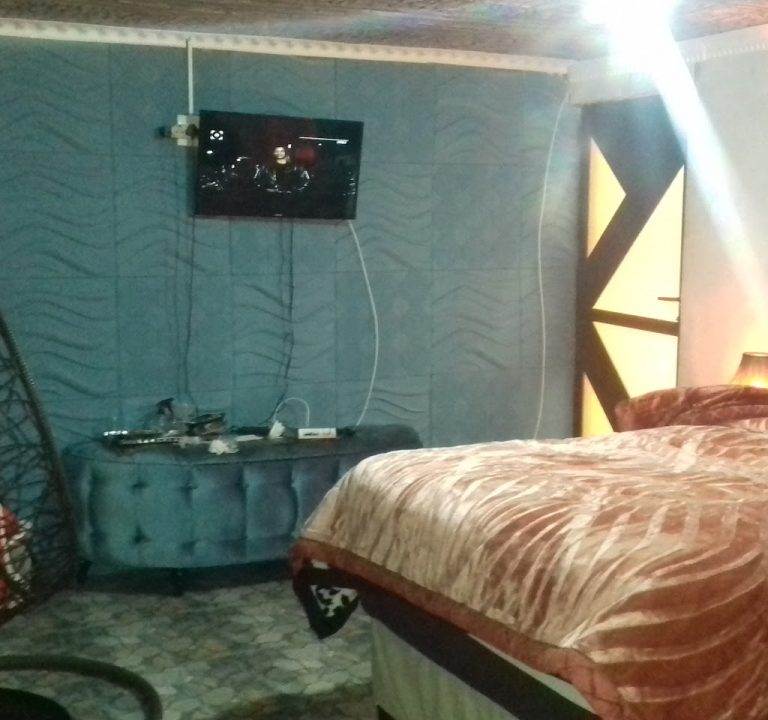
When choosing where to stay, consider the area you want to base yourself in. The town centre and the historic core are convenient for walking to shops, cafés and bakeries, with several guest houses and small hotels clustered near the square. If you prefer a quieter ambience, look for properties tucked away in residential streets or on the outskirts where gardens, secure parking and a more serene setting are common. For guests drawn to country-style charm, a well-rated guest house such as the type represented by the Royal Queens Guest House can illustrate typical features: comfortable en-suite rooms, secure parking, breakfast options, and thoughtful common spaces. Bookings at this end of the market often highlight warm hosts, an intimate atmosphere, and a focus on providing local tips for day trips.
Typical amenities to expect include free Wi‑Fi, off-street parking, and private en-suite bathrooms. Many smaller guest houses and guest rooms offer inclusive breakfast, which can be a good way to start a day of sightseeing. Medium-range hotels and guest houses may also provide tea and coffee facilities, daily housekeeping, and comfortable lounges or verandas for a relaxed evening. If you rely on mobility or plan day trips, check whether the property offers easy access to public transport stops or convenient parking for a hire car. Some places may arrange airport transfers or guided tours, which can simplify planning if you prefer to leave the driving to someone else for a day or two.
Transport in and around Queenstown is best planned with flexibility in mind. A car is the most convenient way to explore the surrounding countryside, visit nearby farms or nature reserves, and connect to regional routes. If you are not driving, ask your host about local shuttle options or shared tours. The town is reasonably walkable in the centre, but distances to more rural sights can be longer, so factor in travel time when booking day trips or restaurant reservations. If you’re flying in, most visitors arrive via regional connections from larger cities, followed by a short onward journey by road. Pack a light jacket for cooler evenings and be prepared for variable weather, especially if you are exploring higher viewpoints or open landscapes.
Best time to visit Queenstown depends on what you want from your trip. Spring and autumn offer pleasant temperatures for outdoor walks and scenic drives, with fewer crowds than peak summer. Winter can be cooler and windier, but it also provides a crisp atmosphere and cosy evenings in a guest house or lodge with a fireplace. Summer brings longer days for leisurely meals on terraces and easy access to the surrounding countryside. Consider seasonal events and local markets, which can add a friendly spark to your stay, while also helping you pace your itinerary so you don’t miss the town’s quieter charms.
Planning tips help you make the most of your stay. First, decide on a flexible itinerary that balances a couple of well-chosen excursions with downtime in your accommodation. In Queenstown, you’ll often find that a mix of short walks, scenic drives and a relaxed dining plan works well. When booking, read recent guest reviews to gauge consistency in service and cleanliness, and look for properties that clearly list their included breakfast, parking provisions and Wi‑Fi quality. If you have mobility considerations, confirm room accessibility, en-suite arrangements, and proximity to entryways or elevators. Consider the value of a central base for ease of access to shops, cafés and a few local galleries or neighbourhood highlights, while a more secluded guest house can offer a restful retreat after a day on rural roads.
Dining and local flavour are part of the Queenstown experience, with a range of casual eateries and family-friendly restaurants that capture the warm, hearty hospitality of the region. In general terms, expect menus that showcase fresh, locally sourced ingredients and comforting favourites. For a balanced plan, pair a hearty breakfast at your accommodation with a light lunch during a day of sightseeing, then sample a relaxed dinner at a nearby bistro or family-run restaurant. When dining out, it is sensible to check opening times and whether bookings are recommended, especially during peak weekends or holidays.
Useful practical tips include keeping a small cash reserve for markets and small shops, as many venues still operate on card or cash payments only. Always verify whether your chosen stay offers secure parking and how access works outside reception hours. If you are travelling with children or pets, confirm policies in advance. Finally, remember to respect local customs and the rural landscape by sticking to marked paths and supporting locally owned businesses. With thoughtful planning, a stay in Queenstown can be a comfortable, friendly and engaging base from which to explore the broader Eastern Cape scenery and hospitality.
For inspiration and to start planning, you can explore accommodation options and local experiences through reputable travel sites and the official visitor resources online. A well-curated stay in Queenstown often hinges on a thoughtful choice of base, practical transport planning, and a willingness to explore both the town and its surrounding countryside at a relaxed pace.