Accommodating Queenstown, Eastern Cape: Where to Stay and What to Do
Queenstown in the Eastern Cape offers a welcoming mix of heritage, scenic landscapes and practical bases from which to explore the region. For travellers seeking a comfortable overnight or longer stay, the town provides a range of options—from traditional bed and breakfasts to modern guesthouses and small hotels. The local hospitality scene often emphasises personalised service, a homely atmosphere and easy access to surrounding countryside, making it well suited to travellers who value convenience alongside characterful periods of accommodation.
When planning a stay in Queenstown, consider the different areas and what you hope to do during your visit. The town centre usually puts guests within easy reach of shops, eateries and the core historic sites. For those who prefer a quieter environment, look for guesthouses on the outskirts or alongside small-country roads where doors open to garden spaces and quieter streets. If you’re travelling with family or a group, some B&Bs and small hotels offer family rooms, larger suites or self-contained units. For a more intimate experience, boutique-style stays may emphasise original architecture, thoughtful décor and locally sourced breakfasts.
Typical amenities to look for include a hearty breakfast that showcases regional produce, secure parking or handy street parking, reliable Wi‑Fi, heating or good ventilation, and a friendly host who can offer practical tips on routes, timings and local dining. Many Queenstown accommodations provide on-site or nearby dining suggestions, and some may arrange guided walks, scenic drives or day trips to nearby nature reserves. If you prefer flexibility, a self-catering option or a guesthouse with a kitchen can be a good choice, though the majority of stays often feature real breakfasts and a cosy communal lounge or terrace.
Transport links are a practical consideration. Queenstown is well connected by road, but a car remains the most convenient way to explore the surrounding countryside and neighbouring towns. Where parking is limited, check if the property offers on-site parking or easy street parking. Some stays may provide tips on public transport options or recommended routes for day trips. If you plan to visit during peak travel periods or public holidays, it is wise to book early and confirm access details, particularly for rooms with shared facilities or limited on-site staff.
Best time to visit Queenstown tends to align with regional seasons. The warmer summer months can be ideal for day trips to nearby parks and outdoor activities, with evenings often comfortable for strolling and dining al fresco. Spring and autumn offer milder temperatures and quieter streets, great for walking tours and photography without the peak-season crowds. Winter can be cooler and more suited to cosy interiors, with fireside lounges in some establishments providing a warm retreat after a day of sightseeing. Regardless of when you travel, layering your clothes is sensible, as evenings can be chilly even in warmer months.
The town’s surrounding countryside offers a mix of relaxed outdoor activities and cultural experiences. Visitors can expect opportunities for scenic walks and short hikes, river or hilltop viewpoints, and quiet country roads ideal for cycling or simply enjoying the rural scenery. Museums and heritage sites in and around Queenstown often illuminate local history, giving context to the region’s development and daily life through the ages. A day trip to nearby towns or rural routes can reveal more about the Eastern Cape’s landscapes, agricultural heritage and small-town charm. For food enthusiasts, the area’s hospitality venues typically showcase seasonal ingredients and dish ideas that reflect the regional palate, with casual eateries and cafés offering light meals, baked goods and local beverages.
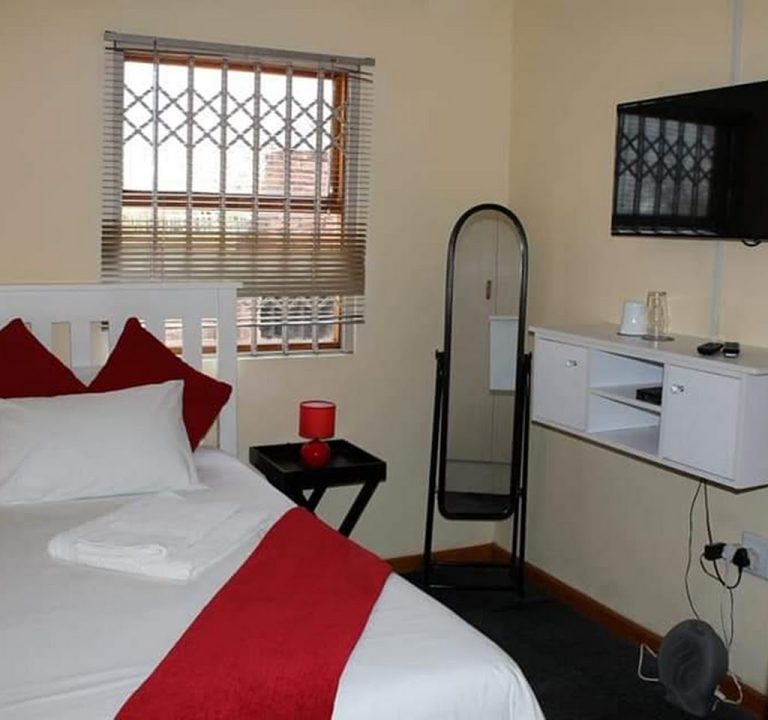
One example of quality Queenstown accommodation is a traditional bed and breakfast that blends characterful interiors with thoughtful, home-style service. Such stays often feature guest rooms that are individually styled, with beds dressed for comfort, private or en-suite bathrooms, and spaces to unwind after a day of exploration. Breakfast is frequently a highlight, designed to greet guests with nourishing options and local flavours to start the day well. For travellers preferring a dedicated B&B experience, these properties can act as reliable hubs from which to plan activities, request local tips and exchange recommendations with hosts who know the area well. A well-regarded B&B—such as Lucolo Palace B&B Queenstown—offers a sample of this approach, combining hospitality with access to further information via its official website: http://www.lucolopalace.co.za/
Practical planning tips to keep in mind include confirming room configurations, checking the availability of private bathrooms if you prefer them, and clarifying breakfast service times. It is also worth asking hosts about the best local routes for day trips, current road conditions and any safety notes for rural travel. When booking, read guest reviews to gauge how the property handles busy periods, whether the reception is staff-run or self-check-in, and if the common areas suit your needs for reading, working or socialising. If you want recommendations for restaurants or casual dining, ask for a few names and note opening hours, as many venues operate with seasonal schedules or shorter hours on Sundays.
- Choose a stay with clear information on parking, access times, and breakfast arrangements.
- Look for a host or property that can offer practical local tips and safe, easy transport options.
- Check proximity to the areas you wish to explore and assess whether a car is essential.
- Consider the season and prefer bookings that align with your preferred weather and crowd levels.
- Read recent guest reviews for honest insights on comfort, cleanliness and service.
In sum, Queenstown’s accommodation scene provides a welcoming base from which to savour the Eastern Cape’s rural charm, while the surrounding countryside invites relaxed exploration. By choosing the right area, confirming essential amenities, and planning transport and timings strategically, travellers can enjoy a comfortable stay and make the most of both the town’s heritage and its scenic surrounds.