Staying in Queenstown, Eastern Cape: accommodation, attractions and practical planning tips
Queenstown in the Eastern Cape offers a quintessential mix of rural scenery, friendly hospitality and easy access to outdoor pursuits. Whether you are seeking a cosy self-catering stay, a traditional guesthouse, or a comfortable lodge, the town serves as a practical base for exploring the surrounding Drakensberg foothills and the wide surrounds. Destinations you may wish to visit while staying here include nature reserves, rolling landscapes and historic streets that hint at the area’s rich colonial heritage. The key to a satisfying visit is choosing a base that matches your rhythm—whether you want a kitchen where you can improvise meals, a lounge with a view, or a quiet corner to plan day trips.
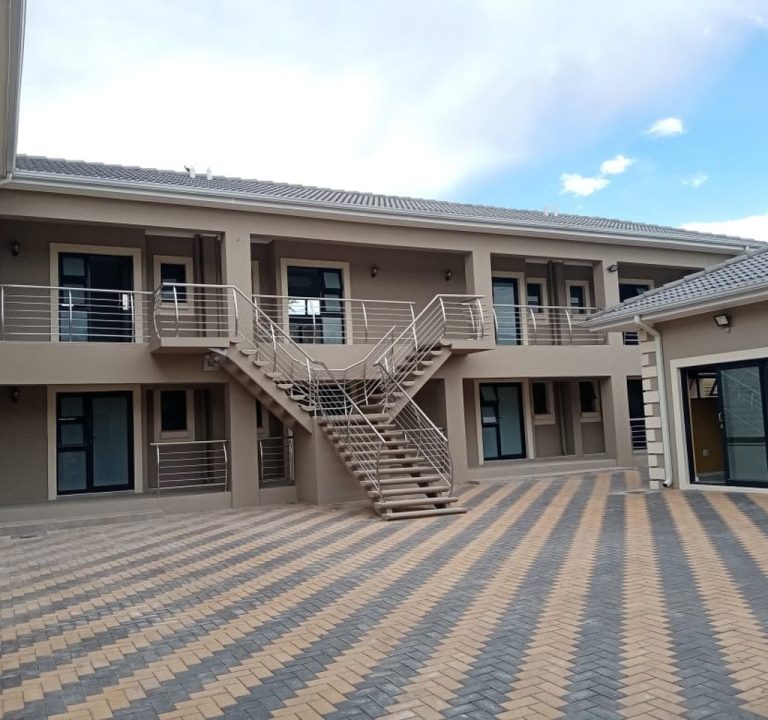
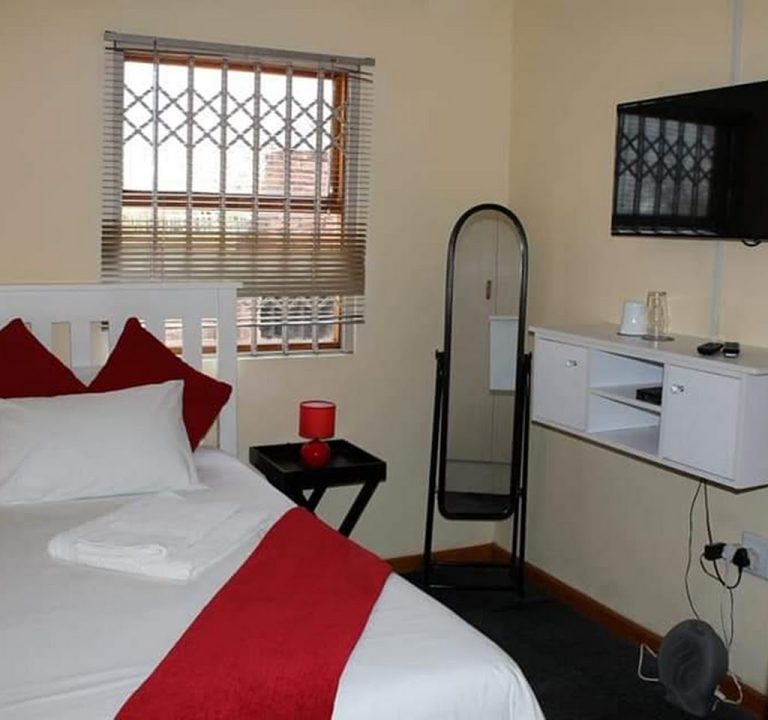
Areas to consider for your stay include the town centre, where many guesthouses and self-catering units cluster within walking distance of shops, markets and cafés. The outskirts and hillier parts offer greater privacy and views across fields and valleys, while some properties enjoy close proximity to river walks or nature trails. If you want a relaxed pace and easy access to local farming produce, look for places described as family-run or country-style. When booking with a self-catering option such as Destiny B&B or similar properties, check how well the kitchen is equipped, including cookware, dining ware and a reliable water supply, as these are essential for longer stays or for guests who prefer to cook as part of their routine.
Typical amenities to look for when booking include free Wi-Fi, secure parking, reliable heating or cooling for seasonal changes, and clear information on how the accommodation handles power interruptions. In rural parts of the Eastern Cape, load shedding can affect electrical supply, so note whether the property has backup lighting or a generator. If you are travelling with children or pets, confirm family-friendly features and any pet policies in advance. Laundry facilities, comfortable seating areas and outdoor spaces such as a garden or patio can make a big difference for longer visits. With self-catering stays, a well-equipped kitchen, a dining area and convenient access to markets or eateries are especially valuable for the overall experience.
Transportly, hiring a car remains the most practical option for exploring Queenstown and the surrounding countryside. The town is not always served by frequent public transport, so a private vehicle makes it easier to reach scenic viewpoints, hikes, and day trips to nearby towns. If you anticipate driving, check that your accommodation offers on-site parking or nearby alternatives. For guests who prefer not to drive, some properties can arrange local transfers or recommend trusted taxi services; always confirm costs before arriving. A compact vehicle is often enough, but you may wish to consider a vehicle with good clearance for rural roads and gravel lanes if you plan day trips beyond the immediate town.
Best time to visit Queenstown typically aligns with the climate and what you want to do. The southern hemisphere seasons mean summers (December to February) are warm and welcoming for outdoor activities, while spring (September to November) and autumn (March to May) offer pleasant conditions with colourful landscapes and fewer crowds. Winters (June to August) can be cooler and the mornings may be crisp; if you enjoy cosy evenings indoors or scenic, snow-capped views, this can be a distinctive time to stay. Consider any local events or markets that may enhance your stay, and plan activities around the weather. If you favour long daylight hours for hiking or photography, late spring and summer are usually ideal.
Nearby attractions and experiences are generally modest and nature-forward. Expect recommendations for gentle hikes, river walks and viewpoints rather than high-adrenaline adventures. Many visitors tailor their days to a mix of outdoors, historical strolls through the town, and relaxed meals at cafes and casual eateries. In terms of dining, look for places that showcase regional produce and simple, well-prepared dishes. A number of establishments offer seasonal menus and local specials; you may also discover markets or farm stalls where you can sample fresh fruit, breads and cheeses. When planning meals away from your self-catering accommodation, aim to balance convenience with time to soak in the surroundings and the pace of rural life.
Practical planning tips to help you enjoy a smooth stay:
- Book accommodation early in peak seasons and long weekends to secure preferred locations and kitchen facilities if you plan to self-cater.
- Check kitchen equipment and laundry facilities in advance for longer stays, especially if you are self-catering.
- Confirm parking arrangements and access hours for arrival after dark.
- Prepare for variable weather; pack layers and a light rain shell even in warmer months.
- Leave room in your itinerary for spontaneous strolls through town streets and open spaces rather than over-planning every hour.
- Use reputable sources for activity ideas and always verify any entry requirements for natural areas or reserves.
- Access local tourism resources for up-to-date information on events, markets and seasonal highlights.
In short, Queenstown offers a relaxed base from which to enjoy rural Eastern Cape life with comfortable self-catering options like Destiny B&B as a guiding example. The town’s combination of approachable accommodation, scenic environs and unhurried dining options makes it well suited to travellers who want a grounded, authentic South African experience without a rigid itinerary. For more information about regional travel ideas and practical planning, you can visit the official South African tourism resources or regional guides for the Eastern Cape.