Accommodation and Experiences in Queenstown, Eastern Cape: Where to Stay and What to Do
Queenstown in the Eastern Cape blends rugged scenery with a friendly, small-town atmosphere. When planning a stay, consider choosing accommodation that places you within easy reach of the town centre, surrounding nature, and practical transport links. Whether you favour a cosy guest house, a self-catering lodge, or a comfortable B&B, the right base can make a big difference to how you spend your days exploring the area.
Areas to consider for your stay
Central Queenstown offers convenient access to town amenities, eateries, and cultural venues. If you prefer a quieter setting with more space, look for guest houses or self-catering options on the outskirts or alongside ribbed valleys and hills. Some visitors enjoy hospitality properties with scenic views or outdoor seating, ideal for sunset moments after a day of exploring. Consider proximity to the main routes that connect to local attractions, while weighing noise levels, security, and parking arrangements. For families or groups, larger units with separate bedrooms, self-catering kitchens, and comfortable communal spaces can be especially practical.
What to look for when booking
Begin with clear details about the type of stay you want. Self-catering options should specify kitchen facilities, laundry access, and storage for outdoor gear if you plan nature walks or day trips. For guest houses and B&Bs, check whether breakfast is included, and whether there are options for dietary requirements. Read policies on check-in and check-out times, cancellation terms, and house rules. Consider reviews that comment on cleanliness, warmth of welcome, and the responsiveness of the host. Security features such as safe parking, secure entrances, and well-lit surroundings are worth noting, especially if you will be travelling with children or evening activities.
Typical amenities to expect
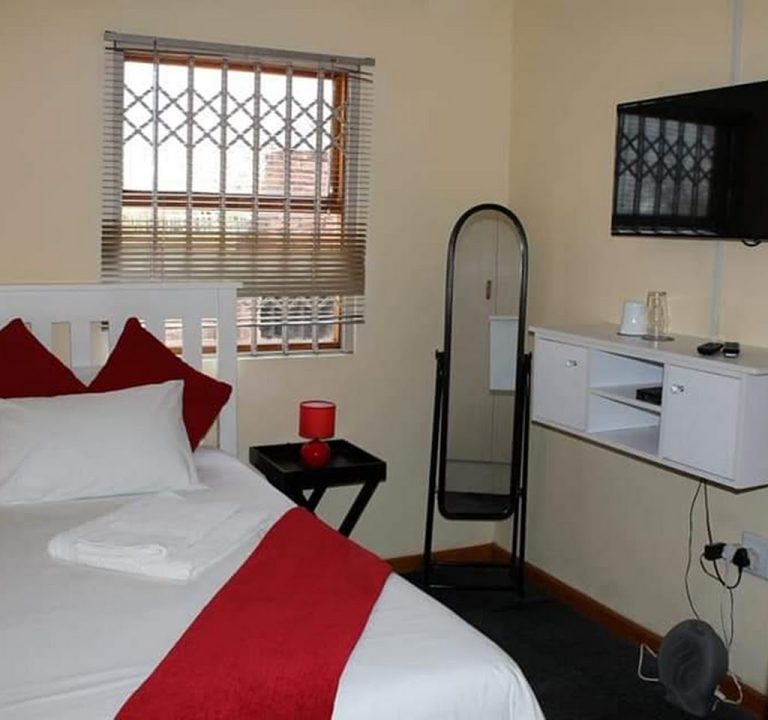
Many accommodation providers in the area offer heated and well-insulated rooms for year-round comfort, versatile bedding configurations, and en-suite or private bathrooms. Self-catering units commonly provide fully equipped kitchens, dining areas, and lounge spaces, along with reliable Wi-Fi. Outdoor spaces, patios, or balconies with seating can be particularly appealing for relaxed evenings. Practical extras such as laundry facilities, ironing equipment, and on-site parking are valuable for longer stays. If you travel with a vehicle, confirm on-site parking arrangements and access from the public road. For guests seeking a local touch, some hosts offer curated recommendations or informal guidance on nearby hikes, viewpoints, and dining options without compromising privacy.
Transport and getting around
Queenstown is best explored with a car, giving you the flexibility to visit surrounding attractions and natural landmarks at your own pace. If you don’t have your own vehicle, check whether your accommodation can help arrange a shuttle, or plan to use local taxi services and any regional transport options. Road conditions are generally good in town, but some attractions may be accessed via rural routes, so a reliable vehicle with adequate fuel and a spare map or offline navigation can be helpful. When booking, ask about proximity to the town centre, as shorter walks can save time and make evenings more enjoyable.
Best time to visit
The climate in this part of the Eastern Cape brings warmth in the summer months and cooler, crisp days in winter. Spring and autumn often offer pleasant conditions for outdoor activities, including walking, cycling, and photography. If you plan to visit during peak seasons or holidays, book well in advance to secure preferred types of accommodation and the best locations. Off-peak periods can bring quieter streets and potentially better value, while still offering opportunities to enjoy the natural surrounds and local culture.
Attractions and experiences to consider
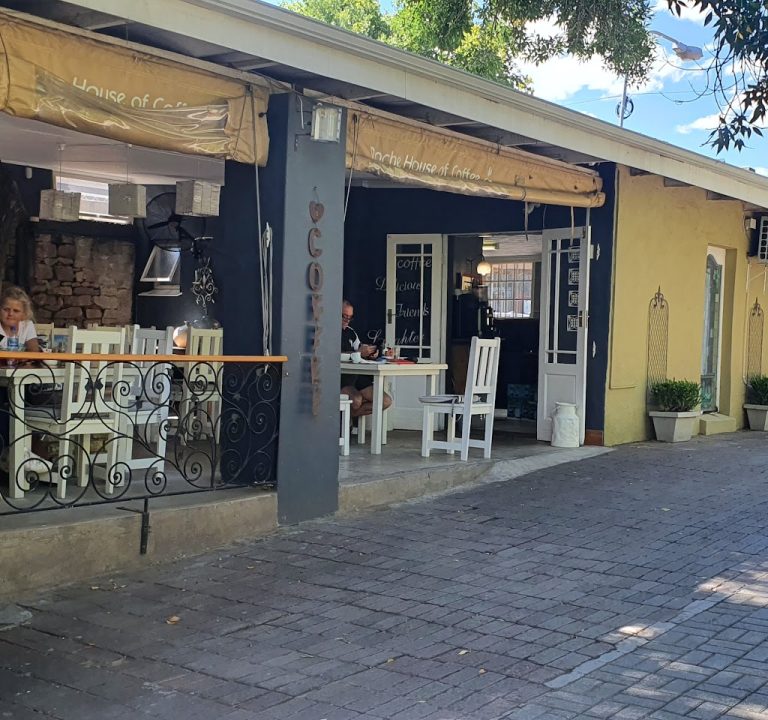
Queenstown serves as a gateway to both cultural and natural offerings. Take time to stroll through the town and discover local heritage sites, markets, and viewpoints that overlook surrounding hills and valleys. Nature walks, short hikes, and scenic drives in the area provide memorable experiences for all ages. For a balanced visit, pair outdoor time with visits to museums, galleries, or cultural centres that showcase regional history and crafts. Dining in the town centres around casual eateries and family-friendly venues, where you can sample regional flavours in a relaxed setting. If you’re keen on thoughtful experiences, ask your host for guidance on day trips or local experiences that highlight the area’s character without relying on fixed itineraries.
- Planning tips for a comfortable stay: book a self-catering unit if you value flexibility, select accommodation with parking and reliable Wi-Fi, and prioritise a location that minimises daily travel time.
Practical tips for a smooth visit
Bring layers for variable weather, comfortable walking shoes for countryside trails, and a flexible schedule to accommodate changing conditions. Confirm the arrival process with your host, including how to access keys and where to park. If you have specific dietary needs, verify kitchen arrangements and the availability of self-catering ingredients nearby. Finally, keep a shortlist of nearby dining options and a couple of nature routes to maximise your time, especially if weather or road conditions shift plans on the day.
Queenstown offers a relaxed base from which to enjoy the Eastern Cape’s hospitality and landscape. With careful planning—focusing on the right area, the facilities you require, and convenient transport—you can tailor a stay that balances comfort, discovery, and local flavour. For more inspiration and practical tips, explore individual guest houses or self-catering properties in Queenstown and nearby towns, and let the hosts guide you towards experiences that suit your interests and pace.