Accommodation and Things to Do in Queenstown, Eastern Cape
Queenstown, a historic market town set in the Eastern Cape highlands, offers a welcoming mix of traditional hospitality, scenic landscapes, and a slow-paced rhythm that suits travellers seeking relaxed exploration. Whether you’re planning a short break or a longer stay, the town serves as a convenient base for discovering the surrounding countryside, nature reserves, and local culture. The accommodation scene ranges from intimate bed & breakfast homes to guesthouses and small hotels, each with its own character and a focus on personalised service.
When planning where to stay, consider the neighbourhoods that suit your interests. The town centre is convenient for strolls to local cafés, markets, and historic sites, while suburbs a little further afield can offer quieter streets, garden settings, and enhanced views over the landscape. If you enjoy hill walks or pottering through village lanes, favour properties with easy access to walking routes and parking. For those arriving by car, secure on-site parking or nearby free parking can be a major convenience, especially if you plan day trips to the surrounding countryside.
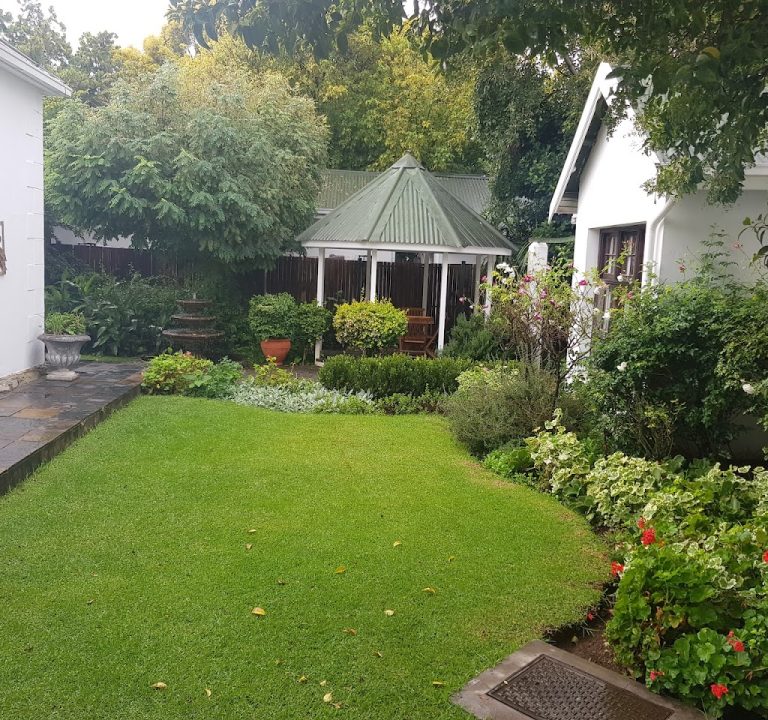
Typical amenities to look for include a hearty breakfast, a well-equipped room with a comfortable bed, clean en-suite facilities, and Wi‑Fi that works reliably throughout the property. Some B&Bs and guesthouses also offer communal lounges, garden seating, and easy access to shaded spots for afternoon tea or evening stargazing. If you’re travelling during the family-friendly season, check whether there are family rooms or adaptable layouts to accommodate children. For solo travellers or couples, a cosy double room with a private bathroom and a welcoming host can make a big difference to your stay.
Booking considerations are best guided by practical details rather than marketing claims. Look for clear, up-front information about meals, whether dinner is available on request, and if there are nearby restaurants within a short walk or ride, particularly if you want the freedom to choose without driving late. Check fresh bed linens, reliable hot water, and the degree of privacy you prefer. If you have mobility needs, note the property’s access, steps, and elevator availability. With any booking, it’s worth confirming check-in times and whether self-check-in is an option.
For transport, a car is often the easiest way to explore Queenstown and the surrounding towns, given the rural setting and scattered attractions. If you’re not driving, investigate the availability of local taxi services or ride-hailing options. Some accommodations can assist with transfer arrangements, or provide guidance on safe, short taxi rides to restaurants and nearby viewpoints. A map or local guide within your stay can also help you plan efficient day trips, minimising backtracking and time spent on the road.
The best time to visit Queenstown depends on what you want from your trip. Summers are generally warm and dry, ideal for outdoor walks, markets, and countryside excursions, while winters bring cooler weather that adds a cosy atmosphere to a B&B stay with a light fire and warm hospitality. Spring and autumn can be pleasant, with mild temperatures and quieter streets. If you’re keen on wildlife or spring flora, plan around local reserve openings and seasonal events, bearing in mind that weather can change quickly in highland settings.
While in town, you’ll find opportunities to sample the local scene without venturing far from your base. You can explore streets lined with heritage buildings and markets that offer handmade crafts, produce, and light meals. For dining, look for places that offer seasonal menus or boards showcasing fresh, locally sourced ingredients. Many guests appreciate the chance to enjoy a relaxed breakfast and a conversation with the host or other travellers before heading out for the day. If you’d like a structured plan, your accommodation host can provide tips on nearby coffee spots, bakeries, and casual eateries that suit different budgets and tastes.
For a suggested framework of what to consider during your stay, here is a quick checklist you can adapt to your booking needs:
- Proximity to town centre vs. quieter residential streets
- Quality of Wi‑Fi and work-friendly spaces if you need to stay connected
- On-site parking and security measures
- Availability of breakfast and suitability for dietary needs
- Access to outdoor spaces or indoor lounges for relaxation
- Clear information on check-in/out and host accessibility
As an example of the type of accommodation you may encounter, you could consider a welcoming bed & breakfast in Queenstown such as Justines Bed & Breakfast, which provides a room-and-breakfast framework that prioritises comfort, a friendly host, and a convenient location within reach of local amenities. Further details and availability can be explored via its official website: Justines Bed & Breakfast.
In summary, a stay in Queenstown balances compact town life with easy access to the surrounding landscape. By choosing a bases with dependable amenities, clear information, and a pleasant neighbourhood, you can focus on experiences—from scenic viewpoints and countryside walks to relaxed meals and friendly conversations—while keeping transport simple and efficient. With careful planning, your visit to this Eastern Cape town can be an enjoyable blend of rest, culture, and gentle adventure.