Accommodation and Experiences in Queenstown, Eastern Cape
Queenstown in the Eastern Cape offers a practical base for travellers exploring this part of South Africa. Whether you are seeking modern comfort, traditional hospitality, or characterful lodgings, the town provides a range of options that make planning a stay both straightforward and enjoyable. From the moment you begin searching for a place to stay, you can weigh factors such as location, transport links, and the type of experience you want to have during your visit.
When choosing where to stay, consider the areas that best suit your plans. Central Queenstown is convenient for those who want easy access to shops, eateries, and the town’s historical sites. If you prefer a quieter retreat with more space, look to outlying suburbs or hillside pockets where views over the valley can be stunning at sunrise. Proximity to the main road network and to public transport can also influence travel between attractions, day trips, and meals out. For longer visits, a guesthouse or lodge with a courtyard, garden, or veranda can offer a calmer home-away-from-home atmosphere after a day of exploring.
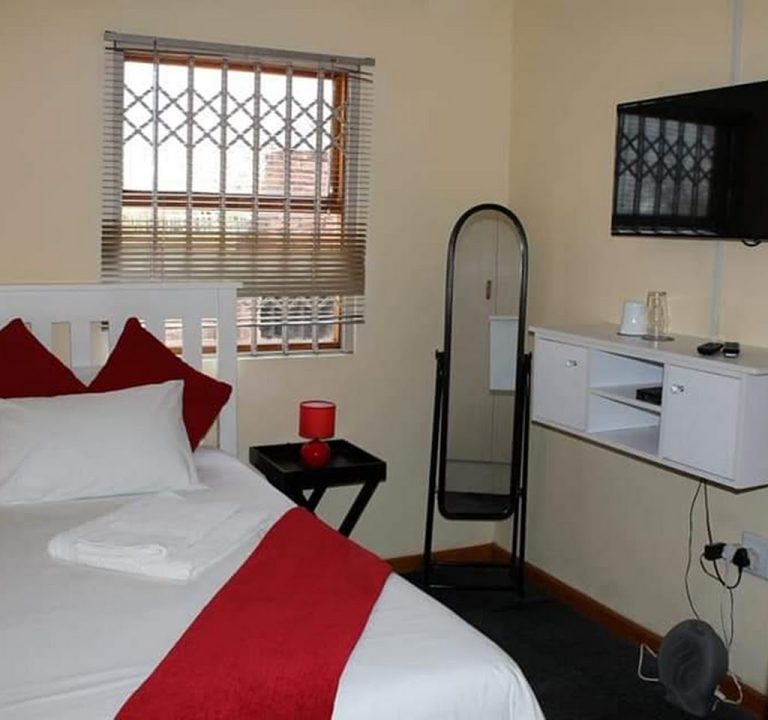
Typical lodgings you might encounter range from guesthouses and small boutique lodges to self‑catering cottages and family-run B&Bs. In Queenstown, it is common to find well‑kept rooms with en-suite facilities, air conditioning or fans for warmer months, reliable wifi, and secure parking. Some properties may offer generous communal spaces such as a kitchen for self-catering, a comfortable lounge for unwinding, and outside seating for socialising after busy days on the road. For those who prefer a touch of local character, family-owned houses and lodges often blend practical amenities with warm hospitality.
What to look for when booking is straightforward yet essential. Ensure the listing clearly states whether your room has an en-suite bathroom, what the cooking or dining arrangements are, and the availability of on-site parking. Check for reviews that mention cleanliness, the helpfulness of staff, and the accuracy of the description. If you have mobility or accessibility needs, verify the presence of suitable access and facilities. Consider the included extras: is breakfast provided, and if so, what does it cover? Are there common areas for socialising or relaxing, and is there a reliable power supply and backup should load shedding affect the area? These practical details can save time and help you plan around a busy itinerary.
Transport in and around Queenstown is generally straightforward. The town is walkable in many parts, and local taxis or rideshare services can be convenient for evening meals or trips to the outskirts. If you’re planning day trips to nearby natural or cultural sights, it’s worth confirming whether your accommodation offers any shuttle services, or if the reception can help arrange private transport. For self‑drivers, check whether the property provides parking and whether routes to popular viewpoints, game reserves, or coastal towns are clearly signposted and easy to follow.
The best time to visit Queenstown depends on what you want to do. The region experiences warm summers, with pleasant conditions for outdoor strolls and town exploration. If you enjoy quieter streets and cooler evenings, shoulder seasons often present a comfortable balance of favourable weather and fewer crowds. For nature lovers and those seeking longer daylight hours, summer can be ideal, while spring and autumn offer moderate temperatures and a colourful landscape. Whenever you travel, pack versatile clothing for changes in weather, and bring comfortable footwear for walking tours and day trips.
Practical tips to help you make the most of your stay:
- Book accommodation with flexible cancellation where possible, in case your plans shift.
- Ask about laundry facilities if you are on a longer trip or travelling with family.
- Explore nearby eateries that cater to a variety of budgets and dietary needs; many places offer wholesome, locally sourced meals.
- In peak periods, consider booking ahead for popular restaurants and attractions to avoid disappointment.
- Keep a small map or offline route guide handy for easy navigation and independent exploration.
Attractions in and around Queenstown are typically mixed, spanning cultural history, scenic outlooks, and opportunities for outdoor activity. Visitors commonly enjoy strolls through historic streets, viewpoints over rolling countryside, and access to rural landscapes that characterise the region. Dining and leisure options tend to emphasise regional flavours and hospitality, with several restaurants offering relaxed dining environments and menus that highlight local ingredients. If you are staying at Sophitsho Guest House, you will find a modest, well-situated base from which to set out on day trips or to enjoy a restful evening after exploring the town and its surroundings. For planning purposes, consider pairing your accommodation with a couple of day trips to nearby towns or nature reserves, and allow some flexibility to discover hidden gems along the way.
To learn more about Queenstown and current travel information, you can explore official tourism pages and local listings hosted by hotels, guesthouses, and visitor centres. A well‑curated selection of accommodation options will usually provide links to additional resources, maps, and suggested itineraries, helping you tailor a stay that matches your interests, pace, and budget. With thoughtful planning, Queenstown can offer a comfortable stay and access to a variety of experiences that reveal the warmth and landscape of the Eastern Cape.