Polokwane: Where to stay, what to do, and how to plan your visit
Polokwane, the capital of Limpopo, blends urban convenience with access to South Africa’s extraordinary landscapes. When planning a stay, consider choosing accommodation that suits your preferred pace and travel style—whether you want a city-centre base for easy dining and shopping, a resort-style setting for relaxing between excursions, or a lodge on the outskirts for a touch of bushveld ambience. The city offers a range of options from business-focused hotels to boutique guesthouses, each with varying approaches to comfort, amenities and security.
Areas to consider for your stay
Central Polokwane provides convenient access to shops, cafés and cultural sites. A central location is ideal if you want to walk to nearby eateries and public transport connections, or you are arriving after a long flight and want a quick, straightforward check‑in. Suburban pockets near major routes can offer a calmer ambience and larger room options, making them a sensible choice for families or travellers with luggage. If you are planning day trips to natural areas or game reserves, staying a short drive from major arterials can reduce travel time and simplify your itinerary. For many visitors, a mixed stay—few nights in a comfortable hotel plus a couple of nights at a lodge on the outskirts—strikes a good balance between convenience and immersion.
What to look for when booking
- Location relative to the sights you want to visit, and ease of access to main roads for day trips.
- Parking facilities, if you are driving a rental vehicle.
- In-room comfort and practical amenities, such as reliable Wi‑Fi, a work surface, air conditioning or good heating, and sufficient power outlets.
- Security features, especially if you are travelling with belongings or in unfamiliar neighbourhoods.
- On-site facilities that match your plans—on-site restaurant, pool, gym, or business centre can save time during busy days.
Typical amenities and practical planning tips
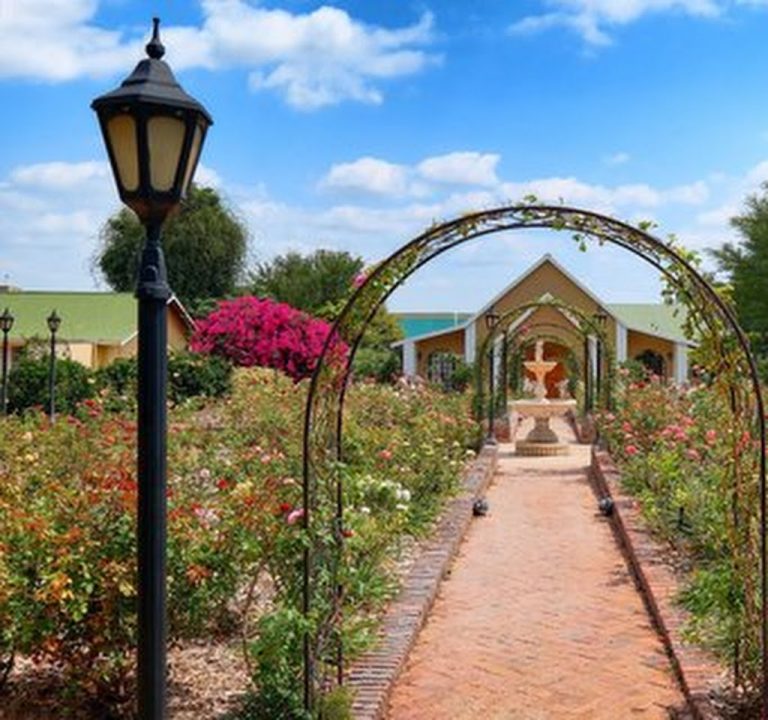
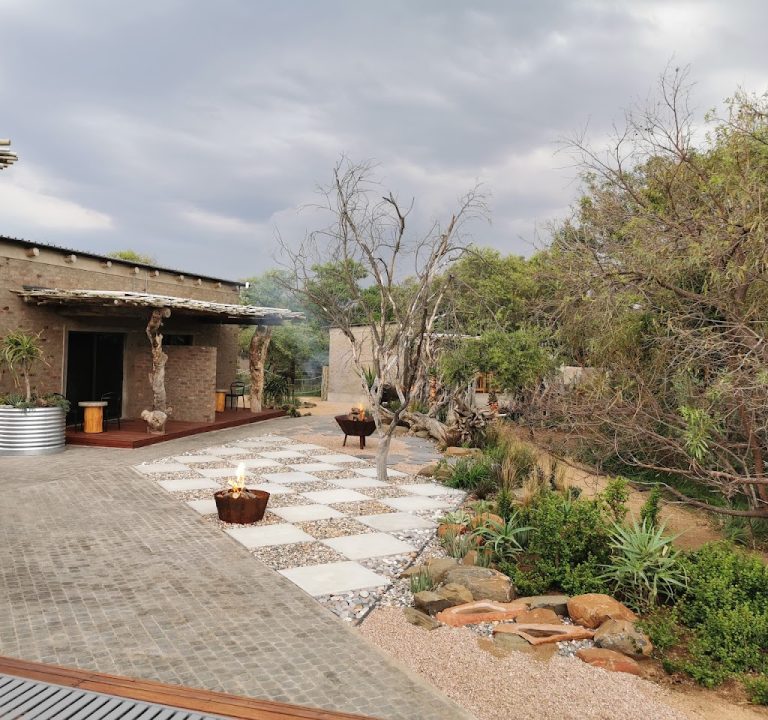
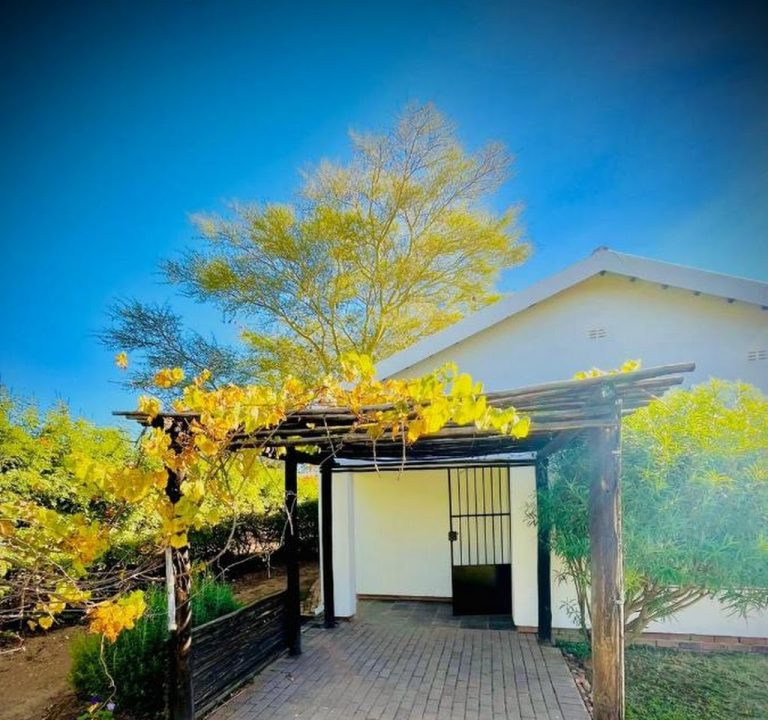
Most accommodation options in Polokwane offer contemporary comfort, with options ranging from well‑appointed rooms in business hotels to suites in resort-style properties. Expect en-suite bathrooms, clean linen, and daily housekeeping as a baseline. Many properties provide breakfast packs or full breakfast service, and on-site dining is a frequent convenience to save time between excursions. Pools, shaded outdoor areas, and gardens are common in resort‑style properties and guesthouses, offering a pleasant space to unwind after a day of sightseeing.
Transport and getting around
A car is often the most convenient way to explore Polokwane and the surrounding region. The city is well served by roads, and having your own wheels makes day trips to the nearby wildlife areas, scenic viewpoints, and craft markets straightforward. If you prefer not to drive, check whether your accommodation can arrange trusted local transport options or guided tours. From the city centre, many attractions and eateries are reachable within a short drive, but some area features may be less accessible by public transport, particularly after dark.
Best time to visit
The climate in Limpopo tends to be warm, with hot summers and mild winters. The cooler, dry season (typically late autumn through winter) is pleasant for outdoor activities and wildlife watching, with typically lower rainfall and more comfortable temperatures for exploring city sights and parks. Spring and autumn still offer good conditions, though temperatures can vary week to week. Consider your preferred weather when booking and plan outdoor activities, such as game-spotting or guided nature walks, accordingly.
Dining and local experiences
Polokwane’s dining scene covers a mix of local eateries, casual cafés and more contemporary restaurants. For most visitors, sampling a variety of offerings—ranging from hearty meat dishes to lighter fare and regional specialities—can be an enjoyable part of the stay. Alongside the restaurants, you’ll find markets and casual venues where you can experience local ingredients and crafts. When planning day trips or evenings out, your accommodation can usually offer recommendations for reputable venues and safe neighbourhoods to visit, along with practical tips on transport options after dark.
Notable accommodation option
Among the reputable choices is a well-known hotel brand offering a refined, comfortable stay with convenient access to major routes and guest-focused services. The property is part of a recognised international group, and its Polokwane location provides a reliable base for business or leisure visits. This hotel’s online overview highlights standard features such as comfortable rooms, on-site dining possibilities, swimming facilities, and helpful staff to assist with planning activities or day trips. For more information, you can visit the property’s page via the official website: https://www.marriott.com/en-us/hotels/ptgra-protea-hotel-polokwane-ranch-resort/overview/?scid=f2ae0541-1279-4f24-b197-a979c79310b0
Attractions and experiences in broad terms
Polokwane and the wider Limpopo region offer a mix of cultural, natural and shopping experiences. Expect museums or cultural centres that explain the local heritage, parks or wildlife destinations within a comfortable drive, and markets or galleries featuring regional crafts. For a relaxed itinerary, plan a balance of daytime activities with time to unwind at your accommodation. Short drives to nature reserves or scenic viewpoints can yield rewarding experiences without long travel days, while evening dining in reputable venues can round off memorable days in the city.
Practical tips for a smooth stay
1) Book ahead, especially in peak travel periods, to secure preferred room types and locations. 2) Check cancellation policies and flexible rates in case plans change. 3) Confirm parking and security provisions if you are driving. 4) Bring appropriate attire for warm days and cooler evenings. 5) Use reputable sources for recommendations on dining and tours, and consider guided options for wildlife viewing or nature excursions. 6) Respect local customs and conservation guidelines when visiting natural areas.