Polokwane: Accommodation, dining and activities for a well-planned stay in Limpopo
Polokwane, the capital of Limpopo, offers a convenient base for visitors exploring the northern region of South Africa. A mix of modern hotels, cosy guesthouses and practical self‑cacing options sits alongside nature reserves, game farms and a growing dining scene. When planning a stay, it helps to think about the neighbourhoods that suit your itinerary, the level of service you expect, and how you will get around once you arrive.
Areas to consider when booking include the city centre, which provides straightforward access to business districts, malls and transport links. Suburban and lodge-style options near parks and reserves are popular for those seeking a more relaxed pace or a rural ambiance while remaining within easy reach of the city’s amenities. If you are travelling with children or planning nature days, choosing a location close to nature reserves or open spaces can reduce driving time and increase opportunities for spontaneous outings. For travellers seeking a touch of seclusion, look for lodges or guesthouses on the outskirts that offer private balconies, gardens or courtyards.
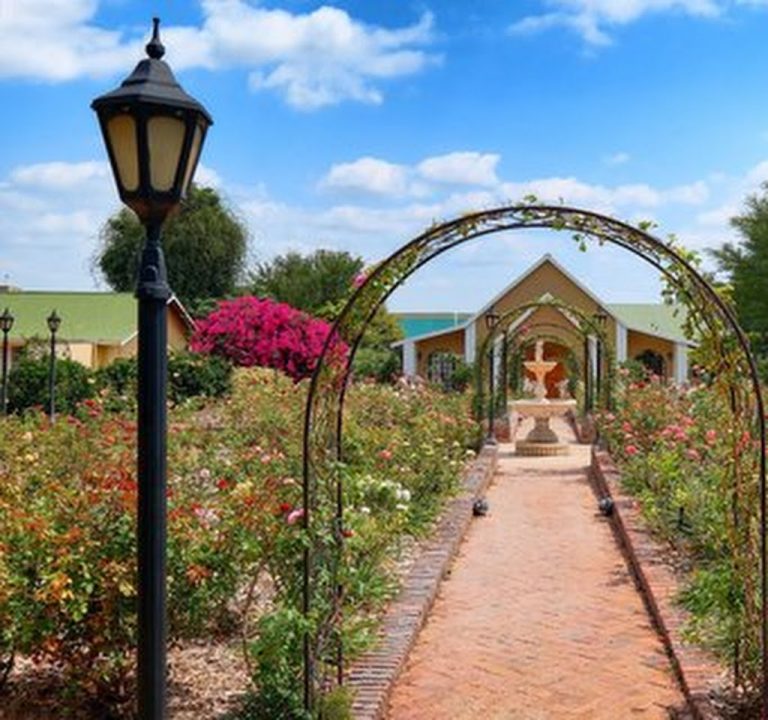
Typical amenities to look for include secure on-site parking, reliable Wi‑Fi, a varied breakfast offering, and a friendly on-site desk or concierge service to help plan day trips. Several properties in and around Polokwane provide facilities for business travellers, such as meeting rooms or work areas, while others prioritise family-friendly spaces with larger suites or interconnecting rooms. If you value experiences beyond your room, search for properties that can arrange guided excursions, transfers or arranged game drives at nearby reserves. For a stay that feels special, you might opt for a lodge or boutique hotel with well‑maintained gardens, outdoor seating, and a skilled house team ready to assist with activity planning.
Transport is a practical consideration. Polokwane has a regional airport and road connections that make car hire a common choice for visitors. If you plan to explore beyond the city, a vehicle gives flexibility to visit nearby game reserves, private lodges, and scenic viewpoints. Some travellers prefer a stay with close access to the city’s main roads and a reputable taxi or shuttle service to reach popular day-trip destinations. When booking, confirm whether the property offers airport transfers or is near a reliable transport hub, and check the availability of local guides for day trips if you’d like a curated experience.
The best time to visit Polokwane depends on what you want from the trip. The area enjoys a warm climate for most of the year, with the possibility of rainfall during the summer months. Winter months can be pleasantly mild and are a good period for outdoor activities without the intensity of peak heat. If you are keen on birdwatching or outdoor safari-style experiences, consider the seasonal patterns of the nearby reserves and plan a stay that allows you to enjoy early-morning game drives or sunset walks. Booking ahead is wise for peak periods around holidays or school breaks, when accommodation can be in high demand.
Typical booking considerations include room size and privacy, accessibility features, and the availability of self-catering or kitchenette facilities if you prefer to prepare some meals yourself. For longer visits, a property with laundry facilities or a nearby laundromat can be a practical convenience. If you are visiting for a specific activity—such as a convention, a family gathering or a nature-focused itinerary—verify whether the accommodation can accommodate your schedule with flexible check-in or late check-out options.
Dining out in Polokwane ranges from casual eateries to more refined restaurants, with a focus on fresh produce and regional flavours. When selecting a place to eat, you may wish to balance convenience with opportunities to sample dishes that showcase Limpopo’s heritage. Many hotels and guesthouses offer on-site dining or curated dining recommendations, which can save time and enhance your stay. If you plan several dinners out, consider a property with a reliable restaurant or access to a nearby strip of dining options to minimise transport needs in the evenings.
For activities, a typical itinerary could include a morning visit to a nature reserve or wildlife centre, followed by a relaxed lunch and an afternoon exploring markets or cultural sites within the city. Depending on interests, you could arrange guided nature walks, photographic safaris, or community-based experiences that provide insight into local life. When selecting experiences, prefer operators who prioritise safety, responsible tourism practices and transparent pricing. A practical tip is to allocate several half- or full-day slots for nature excursions, leaving evenings free to enjoy the hotel or guesthouse surroundings.
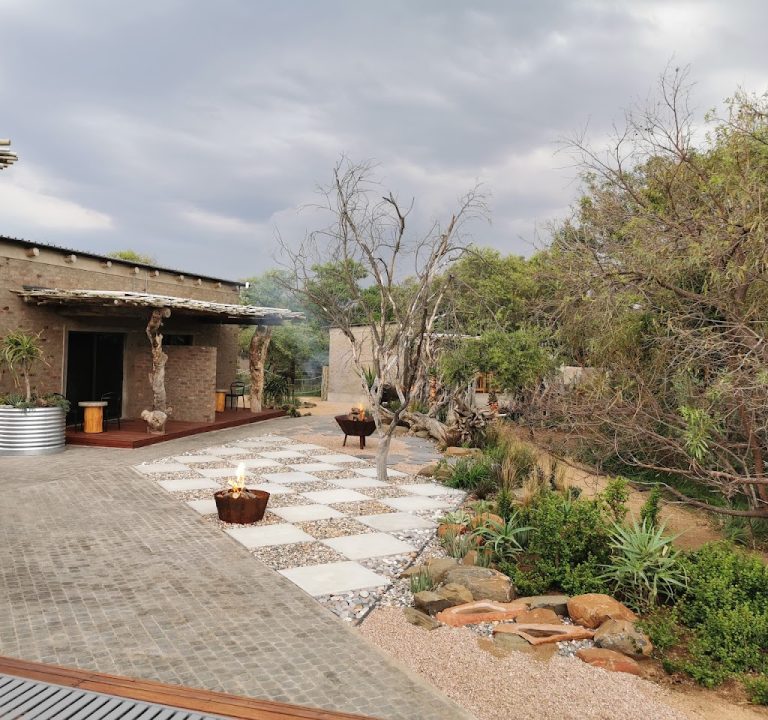
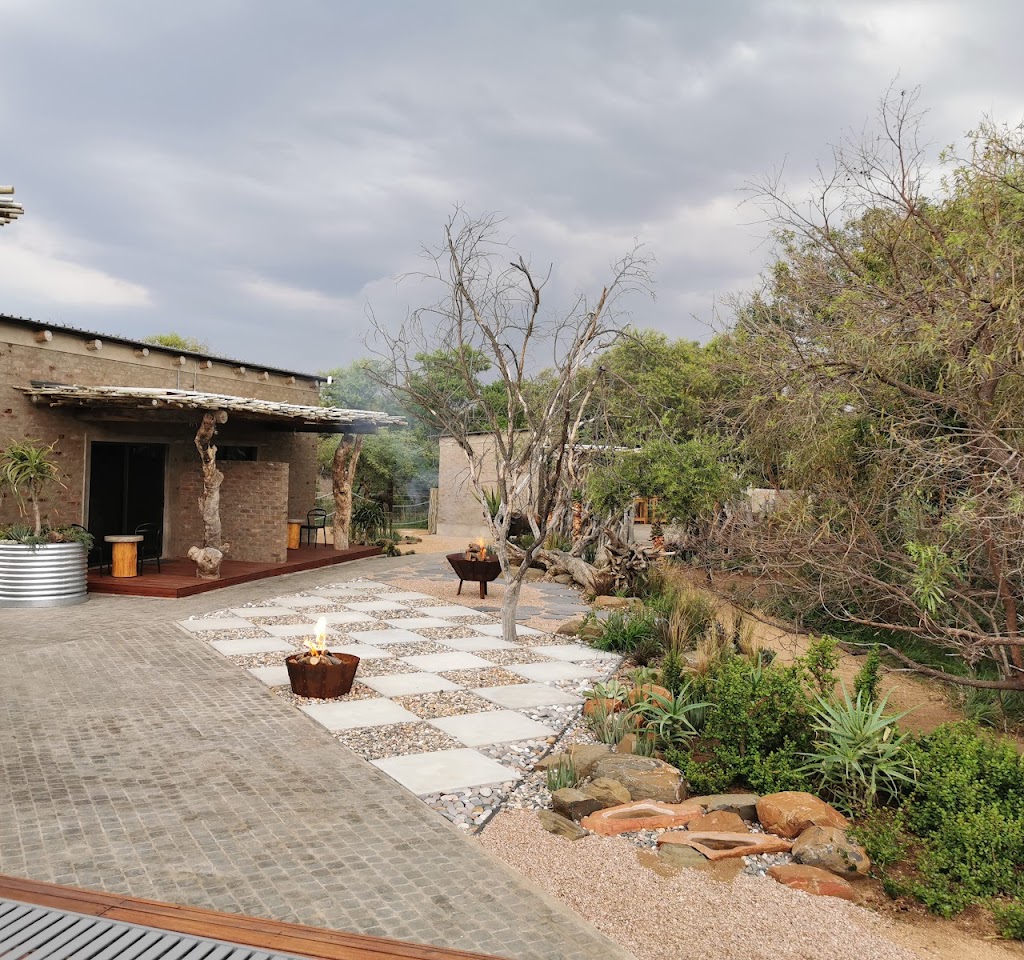
Accommodation to consider in the area includes properties with a focus on comfort, size, and a sense of place. For travellers seeking a lodge-style experience, options such as Mohlape Bush Lodge offer a retreat-like atmosphere with proximity to natural landscapes. For further possibilities, you can explore established hotels or lodges that provide a balance of guest services and access to surrounding attractions. More information about specific properties, including details on location and facilities, can be found on their official websites, such as the Rolling Hills site at Rolling Hills.
Plan your stay with a practical checklist: confirm the property's cancellation policy, check for nearby supermarkets or eateries, verify parking arrangements, and note the distance to major gates or entrances of any reserves you plan to visit. A well‑paced itinerary that mixes nature, city exploration and downtime will help you make the most ofPolokwane’s offerings without feeling rushed. With thoughtful planning, your stay in Limpopo can blend comfortable accommodation, easy transport, and memorable experiences in and around the city.
- Nature reserves and wildlife experiences near Polokwane
- City attractions, markets and cultural sites
- Dining options ranging from casual to more scenic venues
- Practical transport arrangements and day-trip planning