Staying in Polokwane: accommodation, dining and activities in Limpopo
Polokwane, the capital of Limpopo, blends modern amenity with easy access to nature and wildlife. When planning a stay, think about convenience to the city’s sights, how you’ll move around, and the kind of atmosphere you prefer—whether a quiet retreat in a leafy suburb or a lively base close to shops and nightlife. The city offers a range of accommodation options to suit different budgets, from stylish guesthouses and family-run lodges to comfortable self-catering apartments and hotels. Areas such as the central business district, leafy suburbs, and near popular residential neighbourhoods can provide a different flavour of Polokwane life, so it’s worth weighing what matters most for your visit.
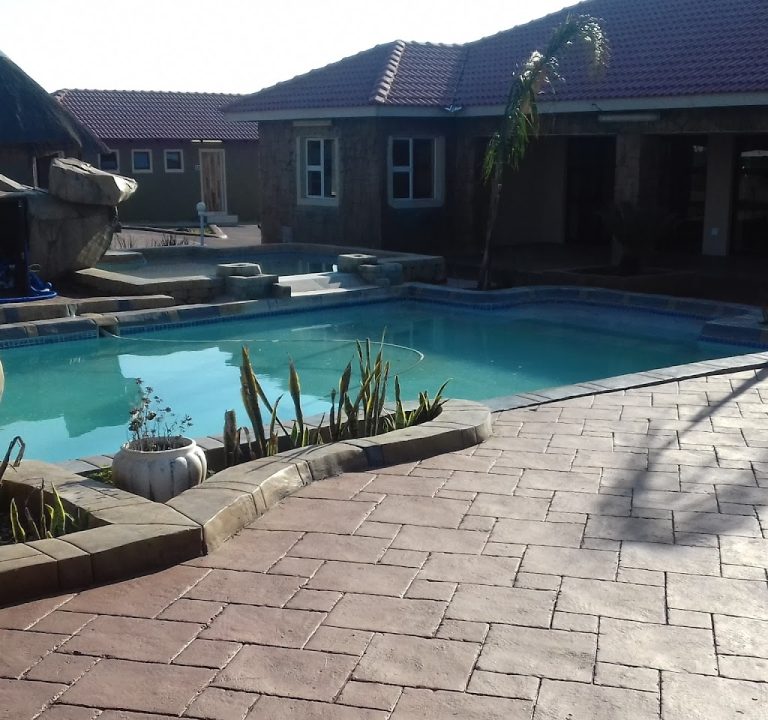
Typical amenities you might look for include free parking or secure parking, reliable Wi‑Fi, air conditioning for hot Limpopo days, and in-room facilities such as tea and coffee making, and ensuite bathrooms. For longer stays, consider properties with kitchen facilities or self-catering options. Some guests appreciate a friendly on-site breakfast service, while others prefer privacy with fully equipped self-catering units. If you’re travelling with family, a property with a pool or outdoor space can be a big plus. The offers in Polokwane often emphasise a relaxed, welcoming atmosphere and easy access to local services and markets.
Practical planning tips can make a big difference. Book in advance for peak periods such as school holidays and long weekends. When choosing a neighbourhood, consider proximity to your planned activities: the city centre is convenient for shopping and dining, while suburban areas can provide a quieter stay and often larger spaces for families. If you rely on public transport or rideshare services, check accessibility from where you’ll be based, and whether the property is close to main roads or taxi routes. For drivers, secure parking and a quiet neighbourhood at night can be important safety considerations. If you’ll need airport transfer, verify whether the property offers this service or if you’ll arrange it independently through a trusted operator.
Best time to visit Polokwane tends to be from the dry winter through spring, roughly May to September, when daytime temperatures are comfortable and rainfall is minimal. The summer months bring warmer days and occasional showers; if you enjoy greenery and wildlife, this can be a vibrant time to explore nearby parks, reserves and gardens. Always check local event calendars, as seasonal markets and cultural activities can enrich a stay without adding to travel time.
Getting around is relatively straightforward with a car, which gives you the freedom to explore beyond the city centre to nearby nature reserves, gardens and historical sites. If you don’t plan to hire a vehicle, look for accommodation that offers convenient access to local taxis or rideshare services, and check whether the property is within walking distance of shops or eateries. Some visitor-friendly options may organise guided tours or day trips to local attractions, which can be a convenient way to discover the region without the hassle of planning each day yourself.
In terms of eating out, Polokwane offers a mix of casual eateries, bistros and family-friendly restaurants. You’ll find places that showcase local flavours alongside more familiar comfort foods. When researching where to dine, read recent guest reviews to gauge consistency in service and atmosphere. Many hotels and guesthouses can recommend reliable nearby venues, or provide guest information books with suggested itineraries, coffee spots, and markets where you can experience local produce and crafts. If you’d like to plan a relaxed evening in, many accommodation options provide food delivery guidance or on-site dining arrangements.
Notable areas to consider for lodging include central and nearby residential districts where access to shops, markets and parks is convenient, as well as quieter suburban pockets that offer larger rooms and gardens. For travellers seeking a more intimate, homely experience, smaller guesthouses and family-run lodges frequently emphasise personalised service and local knowledge, helping you tailor your stay to your interests, whether that’s wildlife, culture, or simply a comfortable base to unwind after day trips.
Tips for planning a stay in Polokwane:
- Choose a base with easy access to planned activities, whether it’s a city sight, a garden, or a wildlife reserve.
- Check for essential amenities like reliable air conditioning, secure parking, and Wi‑Fi, especially if you’ll be working remotely or streaming during downtime.
- Factor in travel time to the airport and major routes when booking, to avoid long commutes after flights.
- Look for properties with flexible check-in and check-out options if your travel times are uncertain.
- Read guest reviews carefully for insights on cleanliness, responsiveness, and consistency of facilities.
For more information on Polokwane and its accommodation options, you can explore official tourism resources and local visitor guides to help you plan a balanced itinerary of sightseeing, dining, and restful downtime. A well-chosen place to stay can anchor a memorable exploration of this vibrant Limpopo centre, with easy access to nature, culture and everyday South African hospitality. If you’re pursuing a particular neighbourhood vibe, such as Klein Paradys Polokwane, contact your chosen accommodation to confirm location, access, and what to expect during your dates. For planning purposes, you might begin with a general overview at a regional tourism site or the city’s official pages, then refine your choice based on availability and personal preferences.