Accommodation and experiences in Polokwane, Limpopo: where to stay and what to do
Polokwane, the capital of Limpopo, offers a varied spread of accommodation from serviced lodges and guesthouses to comfortable hotels and self-catering options. When planning a stay, think about what you want to feel upon arrival: the buzz of the city centre, easy access to shops and eateries, or a quieter suburb with lush surroundings. The town is well positioned as a base for exploring the broader Limpopo region, while also providing amenities and dining options within easy reach.
Areas to consider when booking:
- Central Polokwane or the city’s CBD for easy access to shops, markets, and a lively atmosphere. Staying here typically puts you within walking distance of some dining spots and convenient transport links.
- Residential suburbs such as the northern or western pockets offer a calmer feel, often with larger properties, gardens, and secure parking. These areas can be ideal for families or travellers seeking a peaceful retreat after day trips.
- Suburban estates and gated communities provide a blend of privacy and modern amenities, sometimes including on-site dining facilities or communal pools.
- Proximity to the airport and main roads can be a practical consideration for shorter stays or itineraries that involve day trips further afield.
What to look for when booking:
- Clear confirmation of room type or suite, and visible details about accessibility and parking.
- Reliable wi‑fi, daily housekeeping options, and privacy features (ensuite bathrooms, secure entry, and unobtrusive service).
- Well-equipped kitchens or kitchenette facilities if you plan extended stays or prefer self-catering.
- Outdoor spaces such as terraces, verandas, or small gardens, which can enhance relaxation after excursions.
- Proximity to restaurants, supermarkets, and petrol stations for convenience during your stay.
Typical amenities you may encounter in Polokwane accommodation include en-suite baths, air conditioning or ceiling fans, secure parking, housekeeping, and breakfast options. A serviced accommodation provider such as a lodge or guesthouse might also offer on-site staff, flexible meal arrangements, and sometimes access to communal facilities like a pool or lounge area. If you are staying in a serviced or boutique property, you may find extra touches such as daily housekeeping, laundry services, or curated local recommendations from the host.
Transport and getting around:
Polokwane is navigable by car, with many attractions spread along the main routes. Having access to a vehicle offers the most flexibility for visiting markets, museums, or nearby nature reserves. If you prefer not to drive, check whether your chosen accommodation can assist with airport transfers or reliable local taxi options. Consider your planned day trips in advance so you can match itineraries with convenient pick-up points or close-by dining options. The town’s layout generally allows straightforward driving, but peak travel times can bring busier roads around shopping areas and during events.
Best time to visit:
Polokwane experiences a warm climate for much of the year. The drier winter months can be comfortable for sightseeing and outdoor activities, while the summer rainy season brings lush scenery and vibrant skies. If your trip includes visits to nearby parks or nature reserves, plan for early mornings or late afternoons when wildlife sightings are often best and temperatures are cooler. Remember to pack sun protection for daytime excursions and a light jacket for cooler evenings.
Things to plan for and practical tips:
- Book well in advance during peak holiday periods or when events are taking place, as popular areas can fill quickly.
- Confirm whether breakfast, self‑catering, or dinner arrangements are included, and if there are nearby dining options to suit your tastes.
- Check access to reliable wi‑fi, power backups, and security measures such as gated parking or secure entry.
- Prepare for a mix of urban experiences and nature outings by packing comfortable walking shoes, a sunhat, and a lightweight jacket.
Attractions and experiences in general terms:
Within Polokwane you’ll find a blend of cultural and historical displays, markets highlighting local crafts, and museums that reflect the region’s heritage. The surrounding Limpopo countryside is known for its natural beauty, with day trips offering scenic drives, viewpoints, and wildlife experiences in nearby reserves. Dining in Polokwane tends to emphasise fresh ingredients and regional flavours, with a range of casual cafés, casual bistros, and family-friendly eateries to suit different budgets and tastes. For those seeking a more relaxed stay, serviced accommodation such as a lodge or guesthouse can provide a cosy base with easy access to the town’s amenities, while also giving you the comfort and flexibility to tailor your schedule.
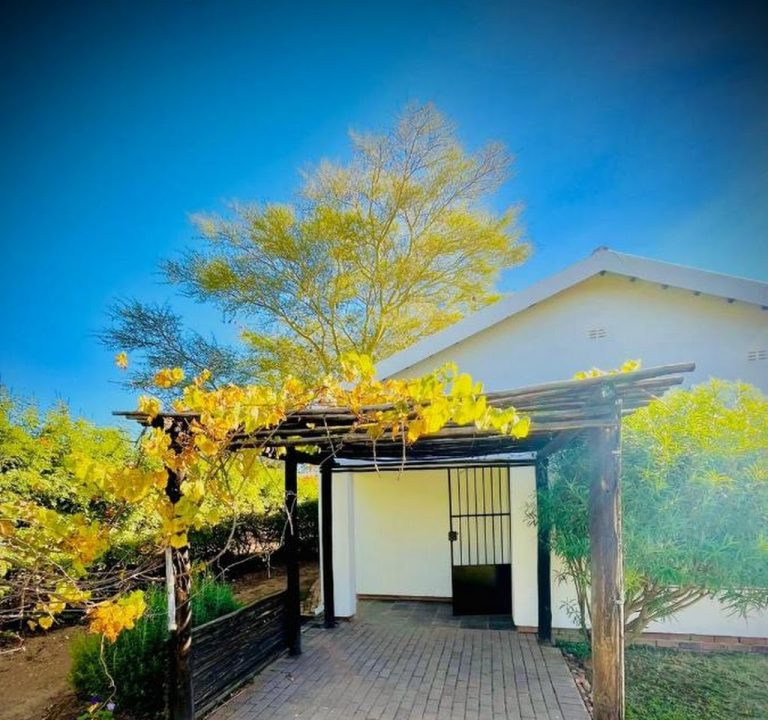
Example of a serviced accommodation option in Polokwane is Thondoni Lodge, which typifies the type of stay you might seek: a comfortable, well‑located base with thoughtful amenities to support a relaxed visit. For planning, you can visit official tourism pages or accommodation websites to compare options, read recent guest reviews, and verify the latest details on availability and facilities.
For inspiration and practical planning, explore Polokwane’s official tourism site or reputable travel portals. A general online guide can help you map out the best routes, identify areas to stay in based on your itinerary, and discover dining and activity ideas that fit your trip length and interests.