Accommodation and Experiences in Polokwane, Limpopo: Planning Your Stay
Polokwane, the provincial capital of Limpopo, offers a mix of city便利 with green spaces, wildlife experiences a short drive away, and a approachable entry point to the broader Limpopo region. When planning a stay, consider the neighbourhoods that best fit your preferences for pace, access to sights, and transport connections. The city centre provides convenient access to shops, markets and dining, while the northern suburbs and surrounding rural routes offer quieter stays closer to nature. If you are arriving by air, Polokwane International Airport is a practical starting point, with car hire and taxi options to guide you to your accommodation.
Accommodation in Polokwane comes in a range of styles to suit different travellers. Lodges and boutique guesthouses provide a personalised feel and easy access to wildlife experiences on the doorstep or within a short drive. Mid-range hotels offer reliable comfort with practical amenities, while self-catering apartments and guesthouses appeal to families and longer stays. When booking, ask about the following features to gauge suitability for your plans:
- Location relative to the sights you wish to explore, including easy routes to nature reserves or game lodges nearby.
- On-site dining arrangements, such as restaurant options or the availability of self-catering facilities.
- Parking provisions and security arrangements, especially if you plan to hire a vehicle.
- In-room amenities such as air conditioning, Wi‑Fi, and private bathrooms.
- Staff assistance with local tours or airport transfers, which can simplify travel logistics.
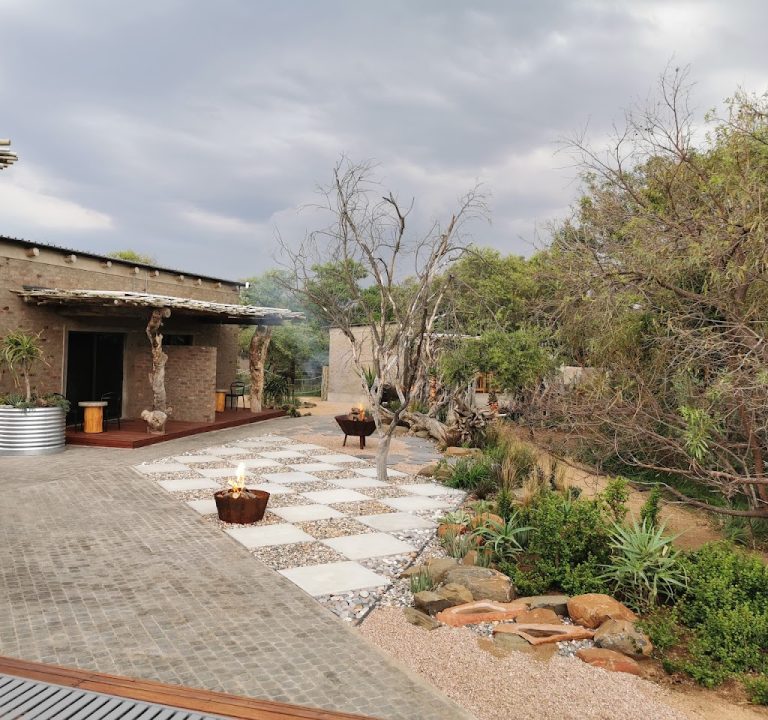
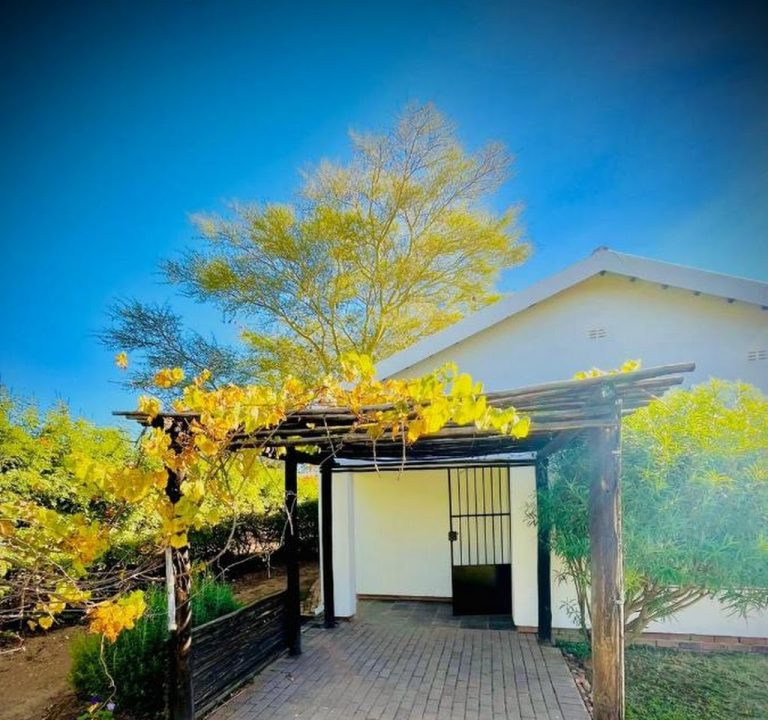
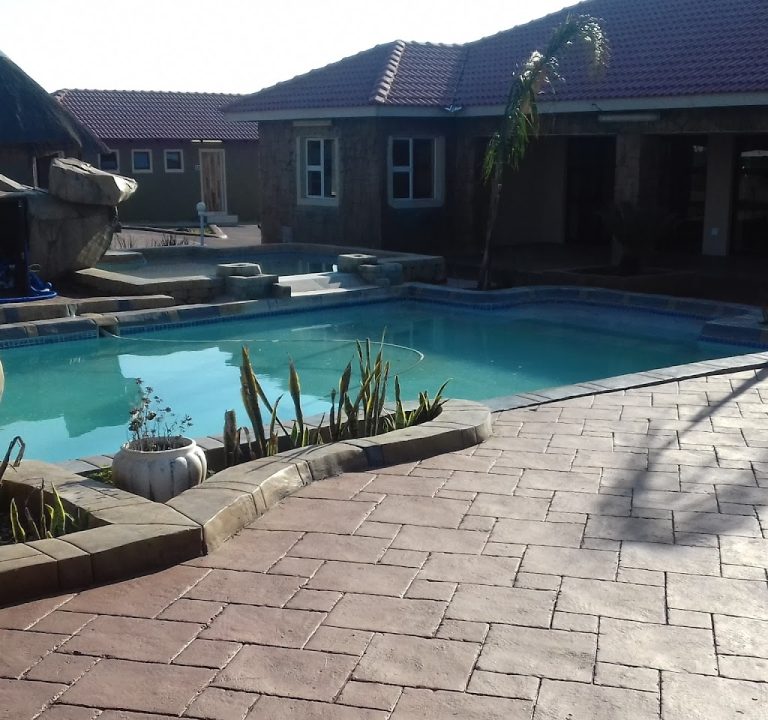
Typical amenities across Polokwane’s accommodations include air conditioning or fans for warm Limpopo days, reliable Wi‑Fi, private bathrooms, and access to free parking. Some establishments offer additional comforts such as pools, shaded outdoor spaces, or gardens, which can be especially welcome after a day spent outdoors. Breakfast is often available on-site, with some properties offering hearty, traditional South African options or light continental choices. If you require self-catering, look for guesthouses or apartments with equipped kitchens, in-unit laundry facilities, and convenient market-style eateries nearby.
Transport plays a crucial role in planning a stay. A car provides the greatest flexibility to explore both Polokwane and the broader Limpopo region, including wildlife hubs and scenic routes. If you prefer not to drive, inquire about reputable transfer services or organised day tours that focus on wildlife viewing, cultural experiences, or natural landscapes. Polokwane is well connected by road and a reliable taxi network, but check the availability of local transport plans for your arrival and departure dates. Public transport options are more limited outside the city centre, so tailoring your itinerary around a vehicle or guided experiences can help you maximise your time.
The best time to visit Polokwane and the surrounding Limpopo area tends to be during the drier months, when daytime temperatures are comfortable and wildlife viewing is typically easier. Winter (June to August) offers crisp mornings and mild days, while spring and autumn can deliver pleasant weather with fewer crowds. The rainy season (roughly November to March) brings lush scenery and occasional downpours, which can be part of the appeal if you enjoy vibrant landscapes and theatre-in-the-sky skies after rain. Regardless of the season, planning ahead for shade, sun protection, and hydration will help you enjoy outdoor activities and wildlife-focused days.
There are plenty of attractions and experiences within a reasonable reach of Polokwane that suit a variety of interests. In the city itself, you can expect markets, cultural centres, and museums that offer insight into the region’s history and everyday life. Outside Polokwane, the surrounding area hosts wildlife experiences, nature reserves, and scenic drives where you may glimpse antelope, birdlife, and other local fauna in their natural settings. For day plans, it is sensible to balance wildlife or nature activities with relaxed meals at a variety of eateries in town—ranging from casual cafés to more contemporary dining options. If you are seeking educational or family-friendly activities, ask your accommodation team about guided walks, nature talks, or short cultural excursions that showcase local crafts and traditions.
When choosing where to stay, consider how you will base your days. A central location can minimise daily travel time to markets, restaurants, and entry points to day trips, while a quieter village-like setting a short drive away might offer more serene surroundings and more space for families or groups. If you are staying at a specific property such as a lodge or guesthouse with access to on-site experiences, verify what is included and what requires advance booking. A well-chosen base can reduce fatigue and maximise your opportunities to enjoy both the urban and rural facets of Polokwane and the wider Limpopo region.
Practical tips for a smooth stay:
- Confirm check-in and check-out times and check if late arrivals can be accommodated.
- Bring sunscreen, a hat, and light layers for day-time warmth and cooler evenings, especially in dry months.
- Pack a plug adaptor if needed and confirm the availability of reliable Wi‑Fi in your room or common areas.
- Ask about nearby convenience stores or markets for snacks and essentials, as not all areas have 24-hour facilities.
- Respect local customs and wildlife guidelines when taking photographs or visiting nature reserves.
For further inspiration, many accommodation providers in Polokwane publish practical visitor information on their websites, including travel tips, seasonal highlights, and nearby experiences. A well-planned stay can blend comfortable rest with discovery, offering a welcoming balance of city amenities and the natural beauty that Limpopo is renowned for. If you are exploring options around Polokwane, consider a lodge such as Villa Maroela Game Lodge, which can provide a gateway to wildlife and nature experiences in the region while still keeping you connected to the city’s conveniences. Booking platforms and official tourism pages can help you compare locations, read guest reviews, and map out an efficient, enjoyable itinerary that suits your interests and budget.