Johannesburg on the Go: Where to Stay, What to Do, and How to Plan Your Visit
Johannesburg, or Jo’burg as some locals say, is a sprawling city of contrasts, from cosmopolitan business districts to vibrant neighbourhoods with a distinctly artistic edge. When planning a stay, consider which areas align with how you want to spend your time—whether you’re after easy access to museums and galleries, a lively dining scene, or a quieter base from which to explore Gauteng’s scenic day trips. For travellers seeking a comfortable home base, Johannesburg offers a range of accommodation styles, including lodges, guesthouses, boutique hotels, and self-catering options that cater to different budgets and itineraries.
Great places to base yourself include central districts where transport links and amenities are plentiful, as well as leafy suburbs that feel more relaxed and residential. In the north, business hubs and shopping districts are well-connected by road and rail, while areas closer to the city centre provide convenient access to cultural attractions and nightlife. If you prefer a more intimate atmosphere, a lodge or guesthouse can offer personalised service, often with tips on local dining and day trips. For a touch of character, some properties incorporate historic architecture or contemporary design, and several offer curated experiences for guests, such as guided neighbourhood walks or market excursions.
When you book, think about a few practical priorities. Security is important in any urban setting, so look for properties in well-lit streets, with on-site reception or 24-hour staff, and secure parking if you have a vehicle. Check room configurations and whether there are en-suite bathrooms, sufficient storage, and quiet rooms if you plan long working days or restful nights. Amenities that frequently enhance a stay include reliable Wi‑Fi, air conditioning or heating, a comfortable bed, a well-equipped kitchen or kitchenette if you prefer self-catering, and a tasty breakfast option. Accessibility matters too; if you’re travelling with luggage, ensure there are lifts or ground-floor rooms if needed.
Transport around Johannesburg is straightforward but requires some planning. The Gautrain links the airport and outer suburbs to central hubs, offering a fast and efficient option for longer journeys. Within the city, rideshare services and taxis are common, and many lodges and guesthouses arrange reliable transfers or can recommend trusted drivers. If you plan day trips—north to the Cradle of Humankind, or further afield to the Magaliesberg valley—check whether your accommodation offers organised tours or can arrange car hires. In busy periods, allow extra time for traffic, and always confirm pick-up and drop-off times in advance.
The best time to visit Johannesburg depends on your priorities. The city enjoys a mild winter and a warm to hot summer, with summer afternoon thunderstorms more likely in January and February. Winter (June to August) can be crisp, especially in the mornings and evenings, but is ideal for comfortable wandering around museums, galleries, and markets with fewer crowds. Spring and autumn offer pleasant temperatures for outdoor markets, rooftop bars, and city walks. If you’re aiming to pair your stay with festivals or seasonal events, check local listings for arts, music, and food happenings that celebrate the city’s diverse communities.
Accommodations in Johannesburg vary, but most visitors will find a suitable option across several categories. Lodges and boutique guesthouses tend to emphasise a personalised hosting style, with intimate public spaces and sometimes guided experiences. Hotels in business districts can provide efficient access to conference venues and large shopping centres, while B&Bs or self-catering flats in residential pockets offer a homely feel and a chance to observe daily life in the city’s diverse precincts. If you’re drawn to a particular neighbourhood—perhaps a precinct known for street art, cafés, and markets—look for properties that embrace local character while offering reliable modern comforts.
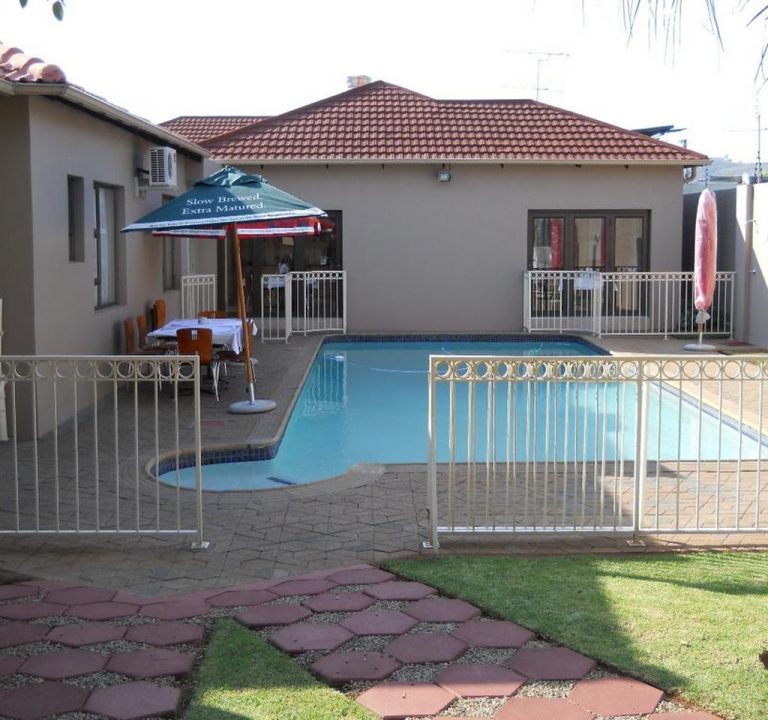
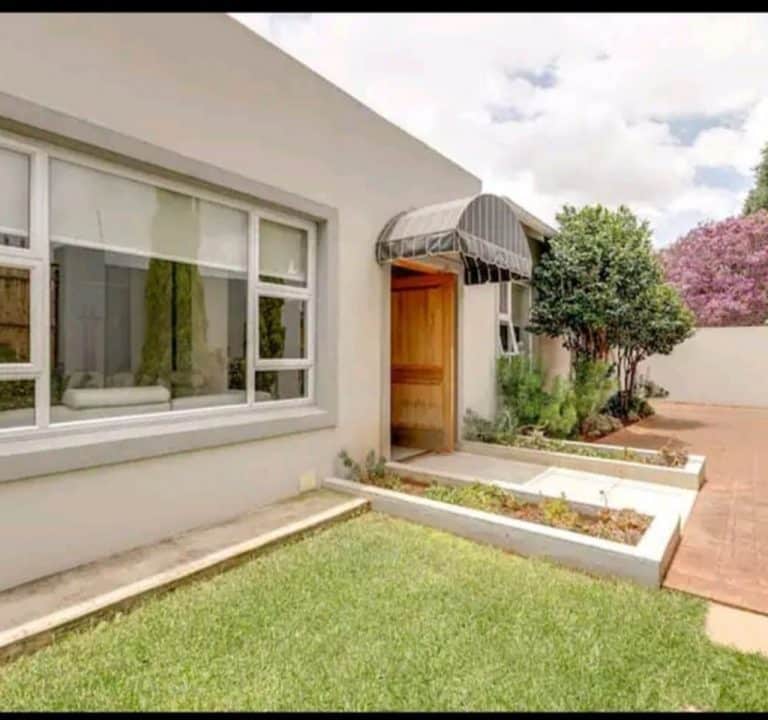
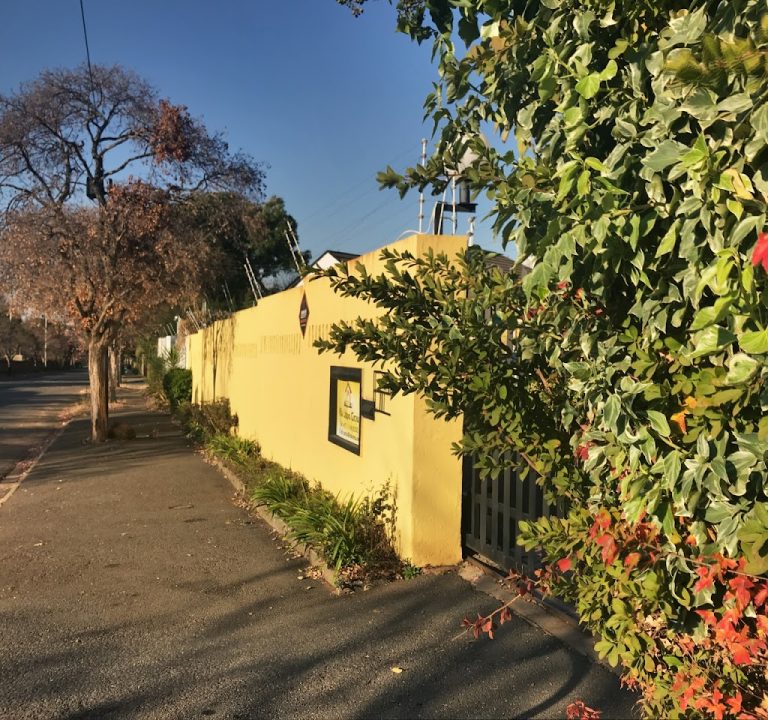
As an example of the range, Primavera Lodge (a lodge-style accommodation) provides a convenient reference point for planning. Visitors can explore the surrounding area for dining options, cultural spots, and easy transit routes, while relying on a restful base at the end of the day. More broadly, when evaluating a property, consider:
- Location relative to your planned activities and public transport access
- Security features and on-site staff availability
- Room layout, ensuite facilities, and noise levels
- Wi‑Fi reliability, parking arrangements, and breakfast service
- Access to on-site or nearby dining options, supermarkets, and laundries
Beyond accommodation, Johannesburg offers diverse experiences that can enrich your visit. Cultural attractions range from world‑class museums to dynamic street-art districts and design stores. For a relaxed day, you might browse markets and cafes in vibrant neighbourhoods, or take a guided jaunt to nearby natural reserves or historic sites. Dining in the city is eclectic, with numerous venues offering modern South African cuisine, international flavours, and casual eateries that showcase local produce. When planning meals, factor in travel time between venues, especially if you are hopping between districts with different atmospheres.
To make the most of a stay in Johannesburg, plan a balance of indoor experiences—museums, galleries, and eateries—and outdoor explorations in parks, markets, and nearby nature spots. Arranging your stay with flexibility and a little local insight goes a long way. For bookings and more information on specific properties, including Primavera Lodge, visit the property’s official website. Remember to confirm cancellation policies and any seasonal notes before finalising your plans.