Johannesburg: Where to stay, how to plan, and what to explore
Johannesburg, or Jo’burg as it is fondly nicknamed, is a dynamic gateway to South Africa’s culture, history and contemporary energy. The city offers a wide range of accommodation, from boutique guest houses and guest lodges to modern hotels and serviced apartments. When planning a stay, think about what you want to get out of the visit: a vibrant urban experience, easy access to sights, or a quieter neighbourhood with distance from the bustle. A well-chosen base can make a visit more comfortable, convenient and affordable.
Areas to consider include the central business district and surrounding neighbourhoods for easy access to museums, markets and nightlife. Morningside, Sandton and Rosebank are popular for purpose-built hotels and higher-end stays with good transport links. For a more intimate, homely feel, guest houses and small boutique properties in areas such as Parktown, Emmarentia or Greenside offer a slower pace and often generous living spaces. If you prefer leafy streets and a village atmosphere, you might seek out properties in Johannesburg’s northern suburbs or in and around suburban clusters that blend residential charm with nearby amenities.
When booking, look for these practical features. A reputable guest house or boutique hotel will typically provide:
- Reliable Wi‑Fi and heating or cooling systems suitable for the climate
- Flexible check‑in and check‑out policies, with clear communication about arrival times
- Private or secure parking, or convenient transport options nearby
- Dedicated housekeeping or self‑catering facilities if you prefer independence
- Good security, including gated access or secure entry systems
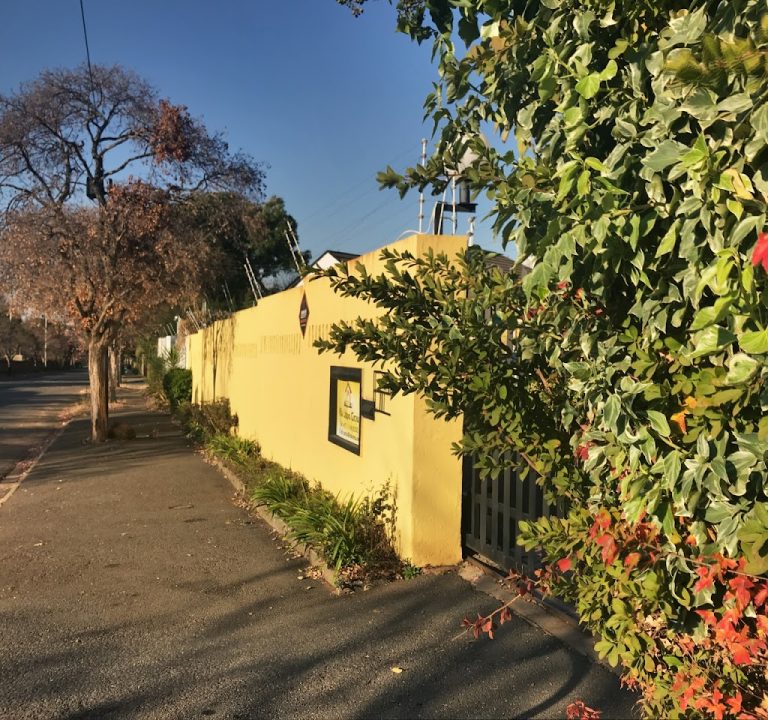
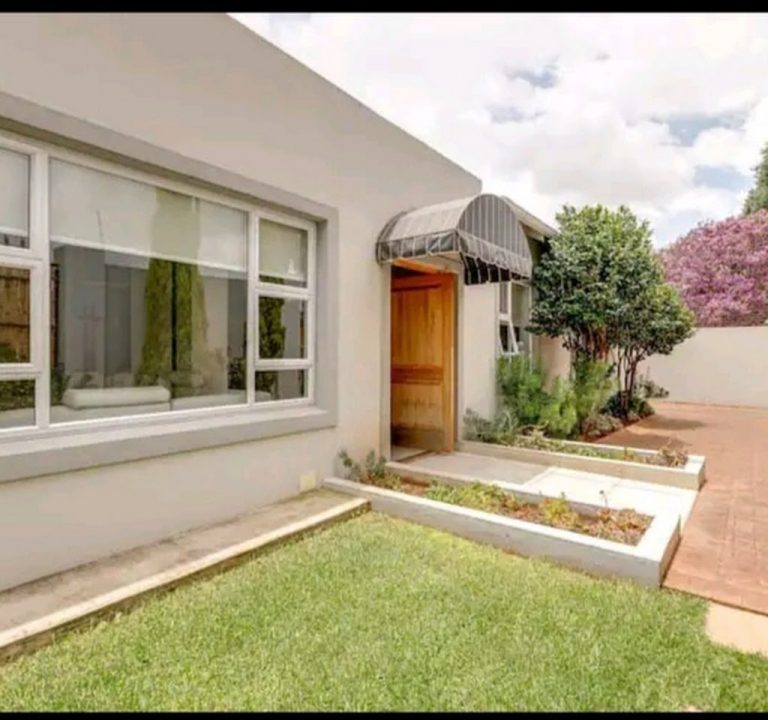
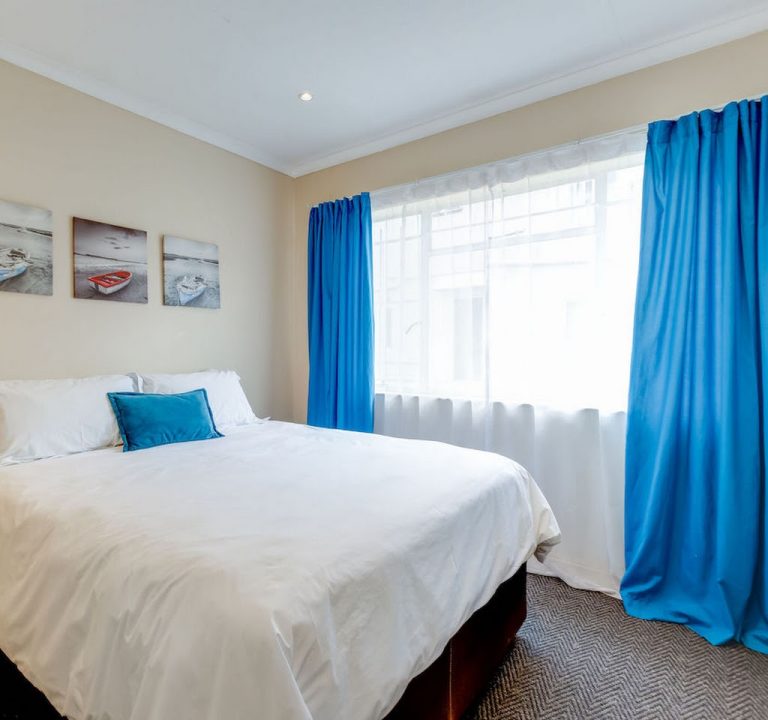
Typical amenities can vary. Guest houses like Villa Latino Guest House—where available—often offer a warm, personalised environment with common lounges, garden spaces, and breakfast service. Boutique hotels might provide stylish rooms, on‑site cafés or small dining options, and staff who can help tailor itineraries to your interests. If space is important, consider serviced apartments or larger suites that provide kitchen facilities and living areas, making longer stays more comfortable and cost‑effective.
Transport is a key factor in Johannesburg. The city is expansive, and public transport can be limited outside central corridors. A stay near a major network such as a Gautrain station or a bus rapid transit route can simplify day trips. For most visitors, arranging a rental car or using trusted ride‑hailing apps is common, especially if you plan to explore beyond the city centre or to access outlying attractions. If you prefer not to drive, choose accommodation with easy access to taxis or organised tours, and ask for guidance on safe, well‑lit routes at night.
Best time to visit Johannesburg depends on what you want from the trip. The city enjoys a temperate climate, with warm summers and dry winters. Peak tourist periods align with school holidays and festive seasons, when attractions and dining scenes can be busier. For outdoor experiences and garden city charm, spring and autumn offer pleasant temperatures for walking, rooftop bars and park visits. If you are looking to balance sightseeing with quieter streets, consider shoulder seasons when lower occupancy can translate to more personalised service and easier restaurant reservations.
Planning practicalities can make a big difference to your stay. Here are a few pointers:
- Book accommodation with a reputable cancellation policy and clear terms to accommodate changes in travel plans.
- Read recent guest reviews to gauge consistency in service, cleanliness and responsiveness.
- Request local tips for safe neighbourhoods, best markets, and dining areas, rather than relying solely on guidebook recommendations.
- Confirm breakfast options, as some guest houses include breakfast while others offer self‑catering facilities or nearby cafés.
- Check access to amenities that matter to you most, such as private entrance, on‑site parking, or a quiet workspace if you need to work remotely.
What to do and where to eat—in general terms. Johannesburg’s attractions span historical museums, vibrant markets, and cultural neighbourhoods that reveal the city’s layered identity. From exploring heritage sites that tell the story of South Africa’s past to enjoying contemporary art galleries and coffee bars, there are activities to suit most tastes. Food scenes range from casual street‑food havens to modern bistros and elegant restaurants, with many venues emphasising seasonal ingredients and bold flavours. For a balanced day, pair a museum or gallery visit with a stroll through a nearby park or garden, followed by a relaxed dinner in a friendly, well‑reviewed restaurant area.
In summary, a well‑located stay in Johannesburg can offer easy access to transport, comfort, and a sense of the city’s vibrant rhythm. Whether you choose a personable guest house such as Villa Latino or a contemporary hotel in a busy hub, plan with a view to flexibility, local knowledge, and practical amenities. With thoughtful preparation, your Johannesburg visit can combine convenient logistics with rich experiences in the city’s diverse districts.