Johannesburg: Accommodation and Experiences for a Well-Planned Stay
Johannesburg, or Jo’burg as many locals say, offers a dynamic mix of urban energy, cultural heritage and natural surroundings. When planning a stay in Gauteng’s largest city, selecting the right neighbourhoods and types of accommodation can shape your experience—from quick getaways to longer explorations of the city’s history and artistry. Lodges, guesthouses and hotels in strategic precincts can provide convenient bases for exploring both the city centre and the surrounding suburbs.
Neighbourhoods to consider include the central business district and nearby cultural districts, which offer easy access to museums, galleries and markets. The northern suburbs, including Sandton and Rosebank, are popular for modern hotels and secure, leafy avenues with shopping malls, eateries and business facilities. Braamfontein is famed for its energy, student-friendly spots and good transport links. In the south, Soweto offers a powerful, historically rich backdrop with guided tours and community-focused experiences. For a mix of tranquillity and accessibility, lodges and guesthouses in tree-lined residential streets can provide a calmer alternative while still being within reach of city highlights.
When choosing accommodation, consider the following aspects to ensure a comfortable and practical stay. Location and transport: check ease of access to major highways and public transport, particularly the Gautrain link to Pretoria and other hubs, as well as near-by taxi services or rideshare options. Security is a key factor in Johannesburg; look for properties with good on-site security, well-lit entrances, and 24-hour reception if possible. Parking arrangements are worth confirming if you will be driving. Booking flexibility and cancellation policies can be important if plans shift, especially during peak travel periods.
Typical accommodation amenities to look for include secure parking or easy access to public transport, reliable Wi‑Fi, comfortable bedding, climate control, a well-equipped kitchenette or tea and coffee facilities, and on-site or daily housekeeping. A coloured thread through many stays is access to a welcoming common area or lounge, where you can meet other travellers or plan day trips. Some lodges and guesthouses offer breakfast options, which can be a convenient way to start busy days. If you are visiting with family, inquire about extra beds or suites. For business travellers, note desk space, conference facilities and ergonomic work areas.
To get the most from your time, consider a mix of planned visits and flexible days. City highlights often revolve around history, art and markets, with a range of guided tours that delve into South Africa’s past and its contemporary culture. Food opportunities span local eateries, bistros and markets that celebrate diverse cuisines. Rather than focusing on specific venues here, the aim is to look for places with positive guest reviews, clear safety practices, and proximity to the activities you want to pursue. In Jo’burg you’ll typically find spaces that emphasise hospitality and a sense of place, whether you stay in a polished hotel or a cosy lodge with a personal touch.
Best time to visit Johannesburg generally aligns with drier and milder weather, typically in the spring and autumn months. However, the city’s energy is year-round, with cultural events and markets frequently filling weekends. If you plan outdoor experiences or day trips, consider the seasonality of outdoor attractions and be prepared for rapid weather changes in the highveld climate. It can be helpful to stagger indoor and outdoor activities so you can adapt to shifting conditions.
Practical tips for planning your stay:
- Research neighbourhoods in advance to balance safety, accessibility and what you want to see. If you prioritise museums and urban culture, staying in central districts can minimise travel time.
- Use trusted transport options and pre-arranged transfers where possible, particularly for late arrivals or trips to nightlife areas.
- Check whether your accommodation offers airport or station transfers, and whether there are recommended local guides or tours arranged through the property.
- Read recent guest reviews focusing on cleanliness, staff attentiveness, safety, and how well the property handles guest needs.
- Plan a mix of activities: historical tours, markets, art precincts and nature trips in nearby parks or reserves to counterbalance urban exploration.
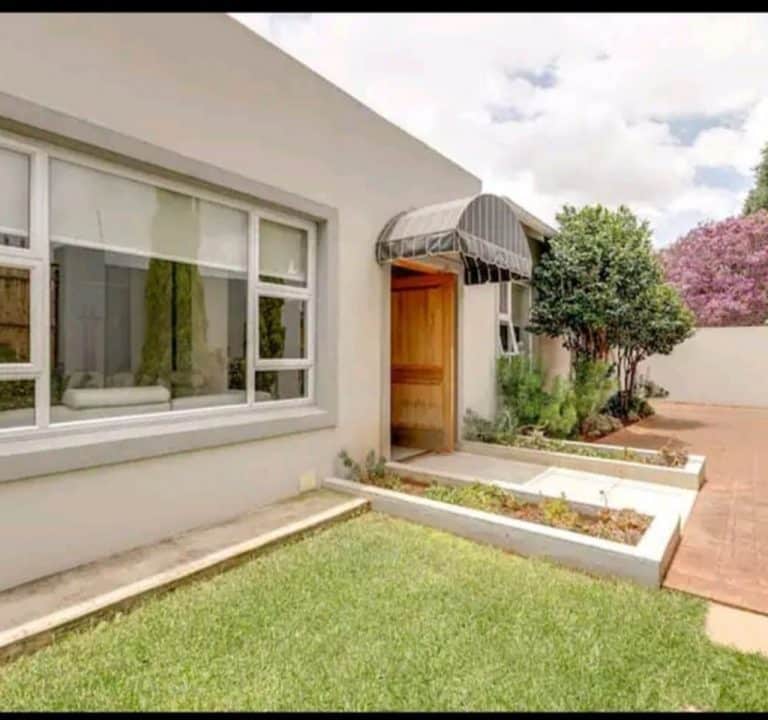
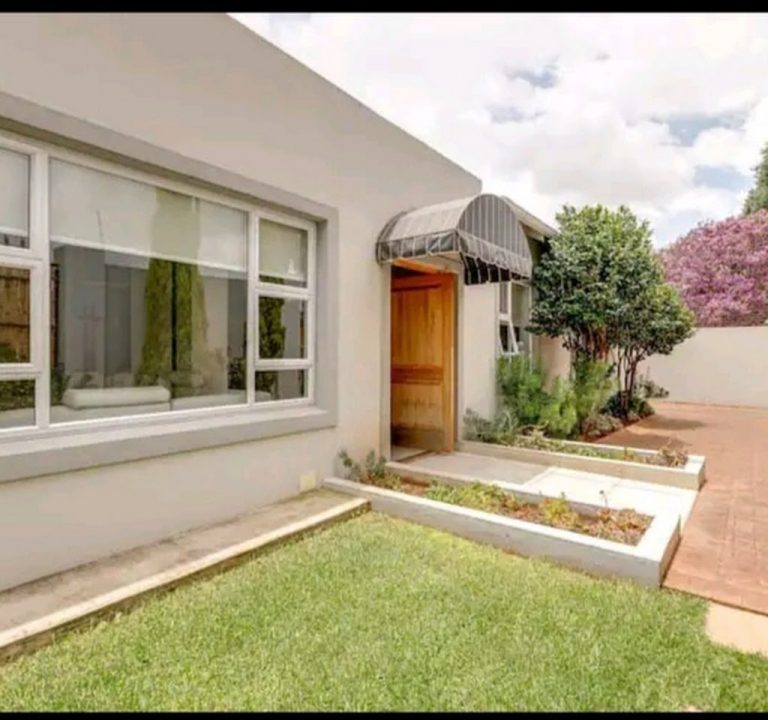
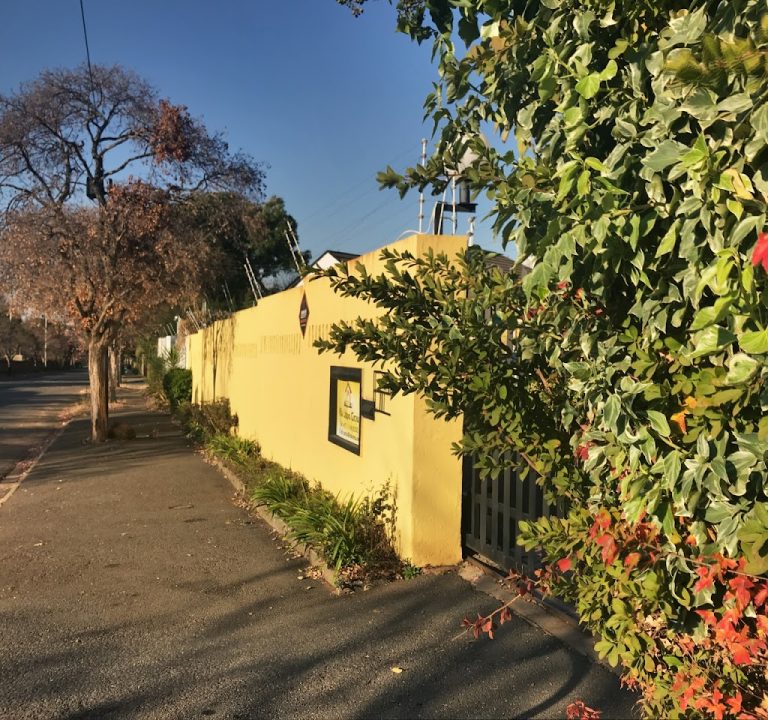
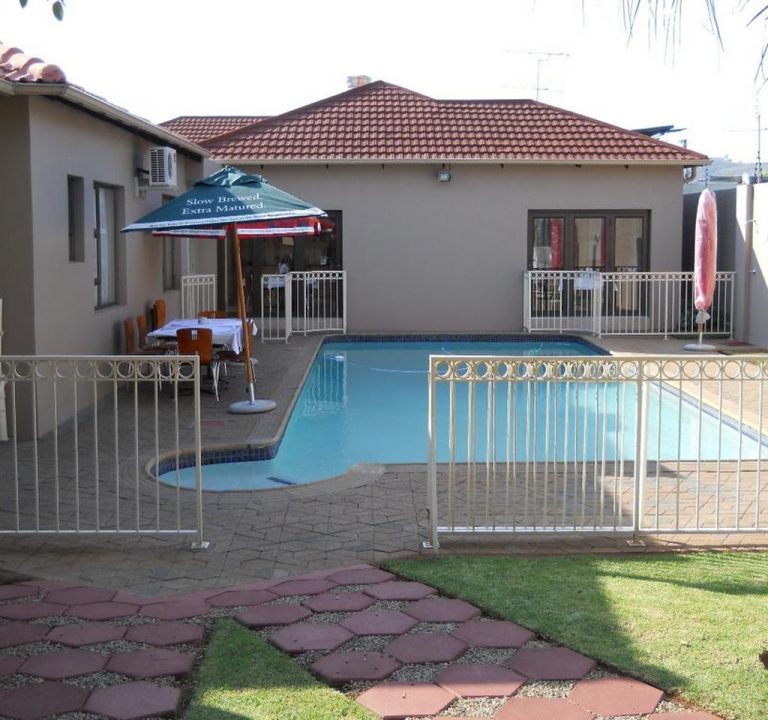
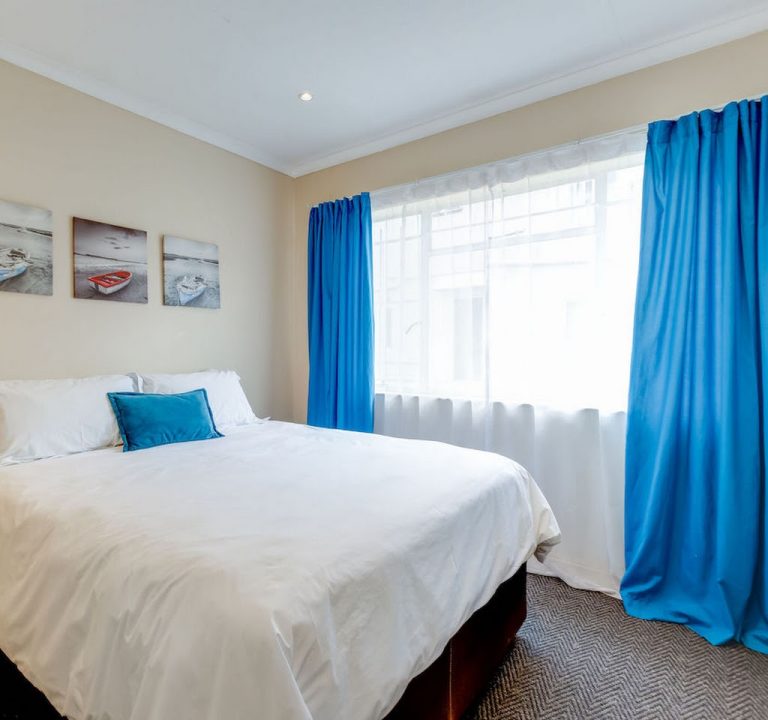
One example of the lodge category available in Johannesburg is East Prestige Lodge, a property type that emphasises comfort and a friendly staff ethos. Such lodges often provide a more personalised experience than larger hotel chains, with a homelier atmosphere and a strong sense of place. If you choose a lodge, look for well-maintained common areas, clear safety measures and straightforward access to local transport routes. For a complete stay, pairing a lodge with a couple of days in a central hotel or guesthouse can offer variety and convenience, allowing you to wake to a quiet morning and then explore a bustling city centre later in the day.
Finally, planning ahead with a sensible itinerary that balances accommodation comfort, transport practicality and a sensible pace will help you enjoy Johannesburg deeply without being rushed. With thoughtful selection of where you stay, how you travel, and what you choose to see and eat, you can craft a Jo’burg stay that captures the city’s dynamism, warmth and history.