Exploring Johannesburg: Where to stay, what to do, and how to plan a great visit
Johannesburg, a vibrant gateway to Gauteng, offers a wide range of accommodation to suit every traveller – from stylish guesthouses tucked away in leafy suburbs to modern hotels close to city buzz. A well-planned stay in the capital of South Africa’s Gauteng province can balance comfortable rest with easy access to cultural experiences, great food and a lively neighbourhood atmosphere. When choosing where to stay, consider not only price and style but also your plans for getting around the city and what you want to explore each day.
Areas to consider when booking include central and northern districts known for convenience and atmosphere. The central business district can place you within reach of theatre, galleries and historic sites, while areas such as Sandton, Rosebank and Melville offer a more residential feel with plenty of dining and shopping options. Braamfontein and Maboneng are popular for travellers seeking a contemporary urban vibe with galleries, cafés and nightlife. If you prefer a quieter base with easy access to parks and nature, northern suburbs or parts of the northern city belt can provide leafy streets, secure parking and a more relaxed pace. When evaluating accommodation, think about how you will move around: is there reliable on-site parking, is the property near a rail link or bus routes, and how easy is it to reach the places you plan to visit?
Typical amenities to look for include reliable Wi‑Fi, secure parking, 24‑hour reception, and clear information about local transport options. Breakfast can be a real time-saver, whether included locally or provided as a continental option. If you expect to work during your stay, a comfortable desk space and adequate power sockets can be important. For families or longer stays, self-catering facilities, laundry services and generous storage can make a big difference. If you value a social atmosphere, some guesthouses and boutique hotels offer communal lounges or shared kitchens. For those seeking a touch of luxury, inquire about features such as a pool, gym, or spa facilities. Always check the cleanliness standards and house rules, especially in smaller properties where hosts may be more personally involved in day-to-day operations.
Planning practicalities sharpen the stay. Before arrival, map out your daily routes and group attractions by neighbourhood to minimise long commutes. Johannesburg’s transport options include rail connections such as the Gautrain for rapid travel to and from the city centre, as well as taxi or rideshare services for flexibility. If you anticipate late returns, choose accommodation with reliable security and a 24‑hour desk or staff presence. Water and electricity supply can be variable in some parts of the city, so knowing how to access a backup power source or reliable hot water can save discomfort. In busy periods, contact the host or hotel in advance to confirm check‑in times and any special arrival instructions.
The best time to visit Johannesburg is during the dry winter months or the shoulder seasons. From May to September the weather tends to be cooler and sunnier, with pleasant days and crisp evenings – ideal for exploring outdoor markets, gardens and city viewpoints. The summer months bring occasional heavy rain and heat, which can be excellent for lush parks and short, intense city strolls when the showers pass quickly. If you’re keen on wildlife and nature escapes, plan day trips to nearby reserves or sister townships where guided tours highlight the cultural heritage of the region. Always pack layers, comfortable walking shoes and a light rain layer for the changeable climate.
When it comes to attractions and dining, Johannesburg offers a broad spectrum. You can expect world-class museums and memorial sites that tell powerful stories about the country’s past, alongside modern precincts with street art, cafés and markets. For meals, the city’s diverse culinary scene ranges from casual eateries to contemporary restaurants, with many venues emphasising fresh local ingredients and vibrant neighbourhood vibes. In addition to meals, look for experiences such as guided neighbourhood walks, artisan markets, or craft workshops, which provide insights into the city’s culture and daily life. If you enjoy shopping, many areas provide boutique stores, design shops and local crafts, offering a chance to pick up unique souvenirs while supporting local traders.
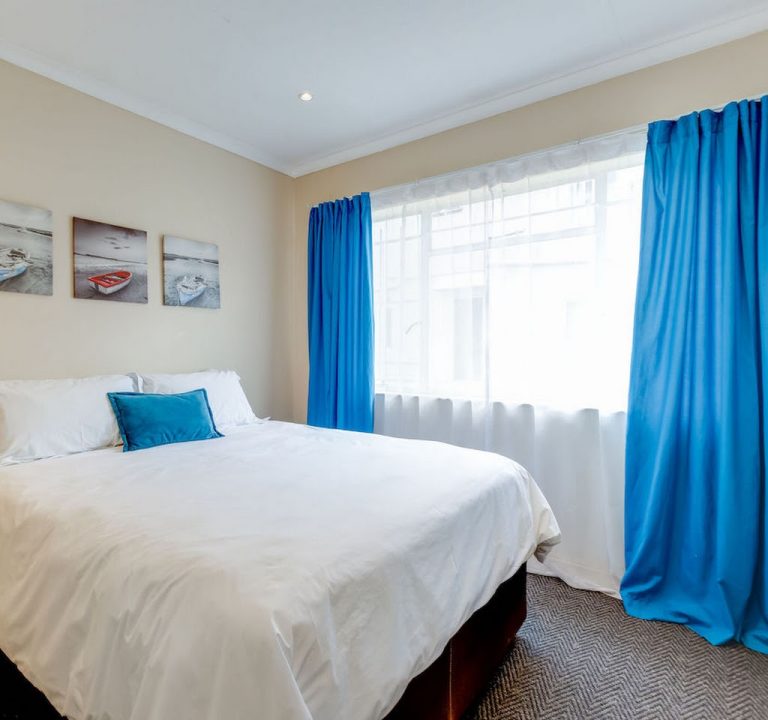
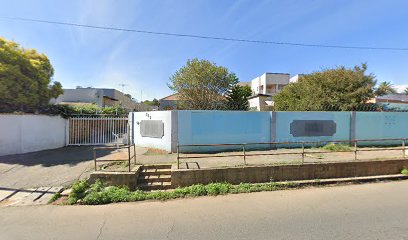
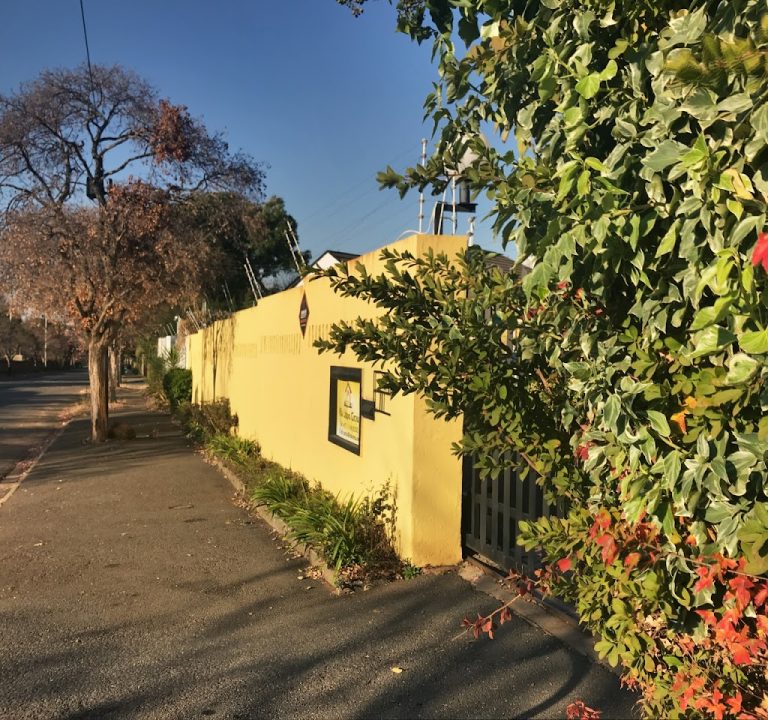
FM Guest House, located at 200 Cumberland Road in Kensington, illustrates the type of accommodation you might encounter in Johannesburg: a guesthouse setting that emphasises a comfortable, homely base from which to explore. When booking a stay such as this, consider how the location aligns with your daily plans, what time you’ll return each evening, and how practical it is to reach your planned activities. Always review guest feedback for details about breakfast quality, room size, noise levels and the friendliness of hosts, which can significantly shape your overall experience. For booking options, you may wish to visit the property’s official website or trusted travel platforms to compare rooms, rates and inclusions before making a decision.
- Match your base to your plans: a central setting for theatre and nightlife, or a quieter suburb for a relaxed start and finish each day.
- Check transport options: ease of access to trains, buses or rideshares, plus parking if you’ll drive.
- Assess room features and safety: secure entrances, good lighting, and reliable hot water and heating.
- Plan ahead for peak times: book early in busy periods and confirm arrival instructions with hosts.