Accommodation and Attractions in Johannesburg, Gauteng: A Practical Guide for Visitors
Johannesburg, often simply called Jo’burg or Joburg, is a vibrant gateway to South Africa’s culture, history and modern urban life. Planning a stay here means balancing neighbourhood character, transport links and the pace you want from a city that spans both contemporary cuisine and deep roots in South African heritage. Whether you’re seeking boutique stays, family-friendly lodges, or stylish inner-city apartments, the options in and around Johannesburg cater to varied tastes and budgets.
When choosing where to base your stay, consider the vibe and distance to the places you plan to visit. The northern suburbs, including Rosebank, Sandton and Hyde Park, tend to offer high-end hotels and serviced apartments with easy access to shopping malls, business districts and reliable transport connections. Braamfontein and Newtown, in the central corridor near the city centre, are popular with travellers who want a lively nightlife, street art and short commutes to museums and theatres. Maboneng Precinct, fondly known for its creative energy, offers loft-style stays and a walkable urban experience, while Melville and Kensington provide a more laid-back, bohemian atmosphere with cosy guesthouses and guest-friendly eateries. If you’re seeking value and a more residential feel, suburban lodges and B&Bs in Greenside or Randburg can be excellent bases for day trips to the Cradle of Humankind or the Lion Park region.
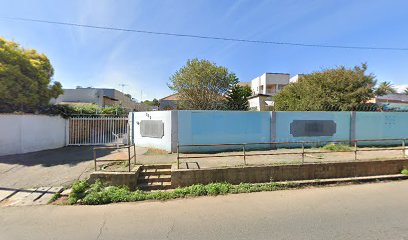
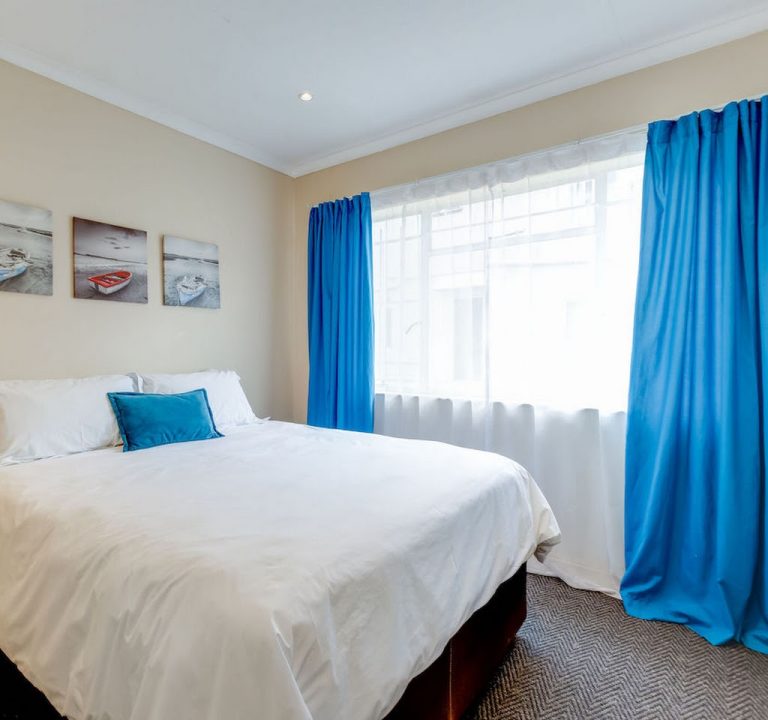
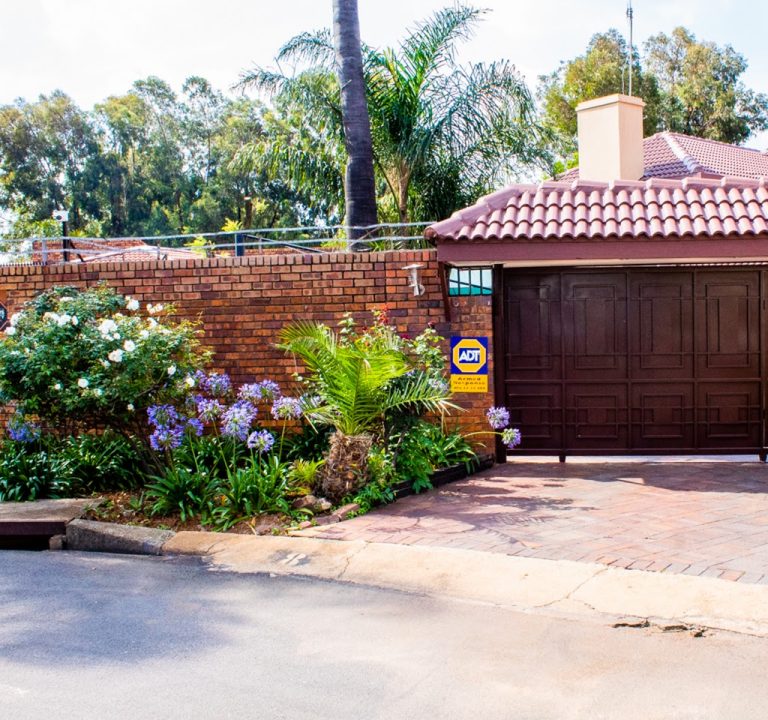
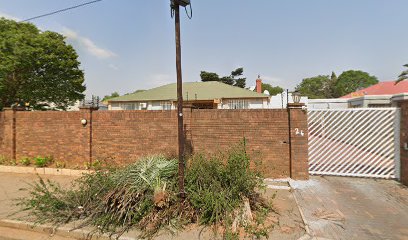
Typical accommodation types you’ll encounter include stylish boutique hotels, serviced apartments, guesthouses and inner-city lodges such as the one in Honey Pot Kensington. Look for clear information about access and security, on-site parking, self-catering facilities, and friendly reception hours. Confirm whether a property offers breakfast, Wi‑Fi quality, and whether there are communal spaces to relax after a busy day of sightseeing. For families, check on child-friendly rooms, extra beds or cots, and kitchens or kitchenettes. Business travellers may prioritise reliable Wi‑Fi, desk space, and proximity to business districts or conference venues.
Transport in Johannesburg is fluid but can be uneven depending on the time of day and area. The Gautrain provides fast rail links between the airport, Sandton and Pretoria, making day trips straightforward. Within the city, rideshare apps and licensed taxi services are common, and many lodges and guesthouses offer shuttle options or easy directions to major routes. If you plan to explore beyond the city centre, renting a car can be convenient, but for inner-city days, choose accommodation with safe, easy access to public transport or short drives to major hubs.
Best time to visit Johannesburg is generally during the drier winter months (May to August), when daytime temperatures are mild and evenings cool. This period is also popular for events, markets and cultural festivals. Spring and autumn bring pleasant temperatures for outdoor markets and garden visits, while the rainy season in summer can bring afternoon thundershowers. Always consider local safety updates and plan accordingly, especially when venturing into city fringe areas after dark.
Key attractions span history, art, nature and modern city life. The city hosts important museums and notable landmarks that illuminate South Africa’s apartheid history and its ongoing storytelling. For city explorers, a stroll through vibrant precincts reveals street art, murals and bustling markets. Nearby nature reserves and parks offer a contrast to urban energy, with safe walking routes and family-friendly facilities. Day trips can include a visit to historical sites on the outskirts, or a jaunt to scenic viewpoints and nature reserves, depending on your interests and time.
When it comes to dining and drink, Johannesburg’s restaurant scene ranges from modern fine dining to bustling casual eateries and food markets. You’ll find a mix of contemporary South African flavours, international cuisines, and vegetarian-friendly options. Many areas have lively night-time atmospheres with street-front cafés and contemporary bistros that attract locals as well as visitors. If you’re staying in a self-catering property or a boutique hotel, you can also enjoy in-house dining options or curated breakfasts, with nearby cafés offering strong coffee culture and wholesome breakfasts to start your day.
Practical planning tips to help you get the most from your stay:
- Define your priorities: culture and museums, shopping and dining, or easy access to nature and day trips.
- Research neighbourhoods for safety, walkability and accessibility to transport hubs.
- Check for on-site parking, security features and access hours to suit your itinerary.
- Look for flexible booking policies and recent guest reviews focusing on cleanliness and service.
- Consider a short-term rental or serviced apartment if you value cooking facilities and more space.
- Pack versatile clothing for varied weather and bring comfortable walking shoes for city explorations.
- Plan one or two signature dining experiences but also allow time for casual meals at markets or neighbourhood cafes.
- Use reputable transport options and avoid unlicensed services; booking through hotel or trusted apps often provides reassurance.
For inspiration and practical planning resources, consult official tourism information and neighbourhood guides. These can help you tailor a stay that matches your pace and interests, ensuring you experience Johannesburg’s warm hospitality, diverse culinary landscape and dynamic arts scene while staying comfortably and safely. If you’re considering a base in the Kensington area or similar inner-city lodgings, check www.joburgtourism.co.za for orientation and ideas on what to see and where to eat during your stay.