Exploring Johannesburg: Where to Stay and What to Do
Johannesburg, or Jo’burg as many locals call it, offers a dynamic mix of modern conveniences, cultural heritage and vibrant neighbourhoods that are well suited to a broad range of travellers. When planning a stay, think about what pace you want, how you’ll move around, and the kind of atmosphere you prefer. From stylish boutique hotels to comfortable guest houses, the options suit couples, families and solo explorers alike, all within easy reach of city centre sights, galleries, markets and world-class dining.
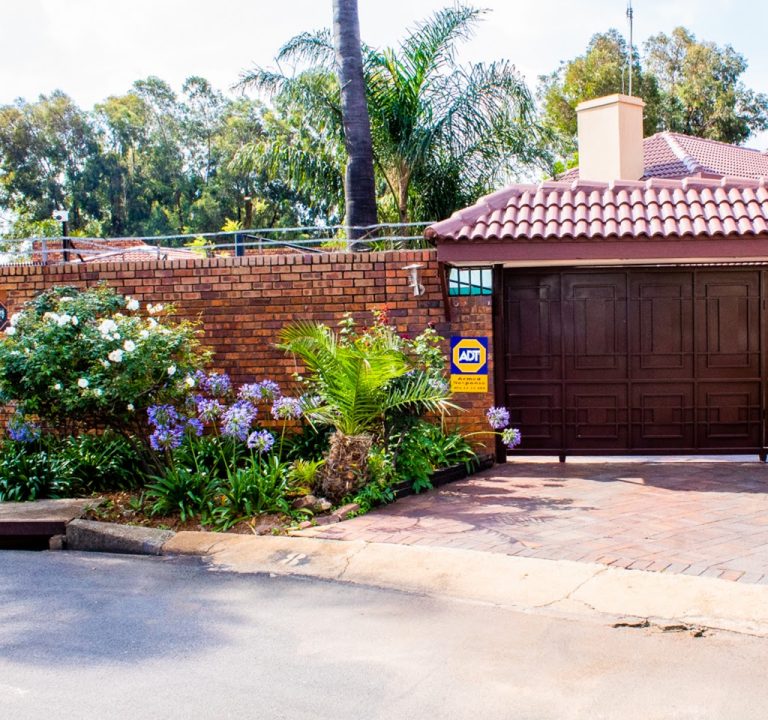
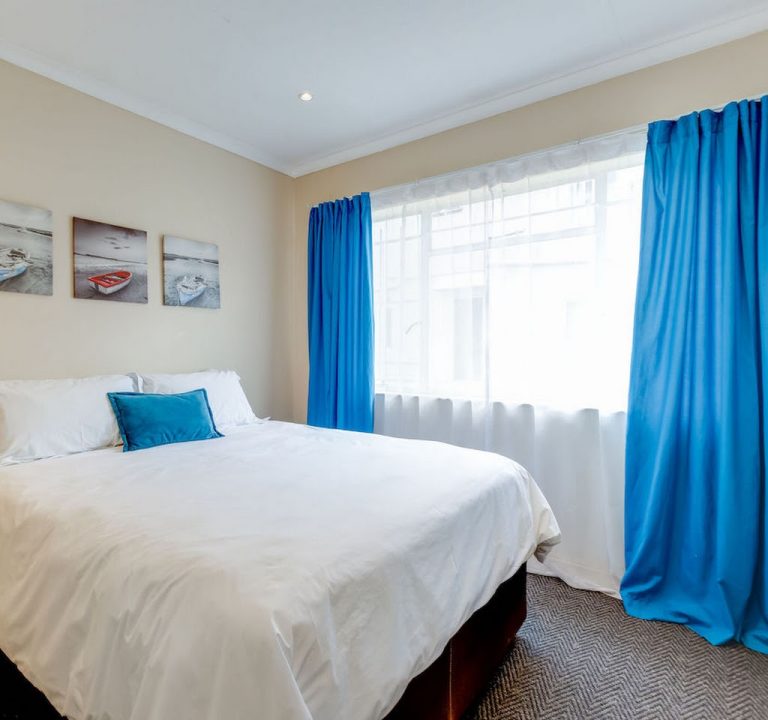
Afrique De Sud Guest House stands as an approachable example of the mid-range hospitality that helps many visitors feel at home in the city. Stories of warm hospitality, clean rooms, and convenient access to transit routes are common, which makes this type of accommodation a reliable base for longer stays or a quick weekend break. For a more contemporary urban experience, some guest houses and hotels cluster in busy districts where modern design, on-site dining and helpful staff can streamline your itinerary.
Areas to consider when booking
- City centre and business districts: central locations offer quick access to business hubs, theatres, museums and lively café scenes. Short hops to transport hubs make day trips outside the city straightforward.
- Northern suburbs: areas with upscale feel, secure streets, and close proximity to shopping centres, cafes and parks. These districts often attract travellers seeking a quieter base with easy access to highways.
- Cultural and creative districts: neighbourhoods known for street art, galleries, markets and live music venues provide a lively backdrop for evenings out and easy, walkable exploration during the day.
- Soweto and historic townships: staying in or near these areas can give a real sense of history and community, with guided experiences that help explain social and cultural stories while supporting local businesses.
What to look for when booking
- Security and access: check 24-hour reception, gated parking, secure entrances and well-lit surroundings.
- Room types and amenities: consider en-suite bathrooms, reliable wifi, air conditioning or heating, and facilities for families or longer stays (kitchenettes or self-catering options).
- Breakfast and dining options: enhanced stays often include breakfast or offer on-site dining with a regional flavour.
- Transport links: proximity to major roads, taxi or ride-hailing access, and easy routes to the airport or train services such as a light rail or Gautrain connections.
- Parking: if you are driving, confirm parking arrangements and whether fees apply.
- Reviews and consistency: look for recent comments about cleanliness, staff assistance, and the accuracy of advertised facilities.
Typical amenities you might encounter
- Free Wi-Fi throughout the property
- On-site restaurant or cafe
- 24-hour reception or security
- Laundry facilities or services
- Secure parking or valet service
- Central heating or air conditioning
- Self-catering options or kitchen facilities in rooms
- Luggage storage and concierge services
Transport and getting around
Johannesburg is well served by motorways, taxis and rideshare apps, with a number of key routes linking hotels to business districts, malls and historical sites. If you plan to explore beyond the city, consider staying near a major transport corridor or a Gautrain station to simplify day trips. The city’s suburban rail and bus networks can be useful for some routes, but plan for extra time and always prioritise safety when travelling after dark.
Best time to visit
- Summer (November to February) brings warm days and occasional afternoon showers; it’s ideal for outdoor markets and garden-friendly attractions.
- Autumn (March to May) offers mild weather, making walks and city tours comfortable.
- Winter (June to August) is cooler and drier; great for museum visits and indoor attractions, though evenings can be brisk.
- Spring (September to November) brings pleasant conditions and a blossoming city culture, with outdoor festivals returning to the calendar.
Practical tips for travellers
- Safety first: stay in well-reviewed areas, use reputable transport options, and avoid isolated streets at night.
- Be mindful of currencies and payments: cash is still used in some markets and smaller vendors, while cards are widely accepted in hotels and larger venues.
- Tipping: a small gratuity for good service is customary in South Africa, typically a modest percentage in hotels and restaurants.
- Language and etiquette: while English is widely spoken, a few phrases in local languages can be appreciated and helpful in markets or community-led experiences.
- Weather readiness: pack layers for changing conditions, especially if you are visiting in transitional seasons.
What to do and where to go (general, without specific claims)
- Discover cultural highlights by visiting galleries, public art trails and history-rich districts that recount Johannesburg’s growth and resilience.
- Sample diverse dining scenes that range from contemporary eateries to traditional eateries, with menus spanning modern flavour fusion and classic comfort foods.
- Explore markets and craft hubs where local makers showcase jewellery, textiles and design pieces, offering insight into South African creativity.
- Take guided tours to understand the city’s diverse communities, architecture and historic landmarks, with experiences designed to be respectful and informative.
In all, Johannesburg rewards travellers who balance comfortable sleep with curious exploration. Whether you choose a boutique property like Afrique De Sud Guest House or a larger hotel in a convenient district, you’ll find plenty of opportunities to plan a stay that matches your pace. Consider your area preferences, check what each property offers, and tailor your itinerary to include a mix of cultural days, relaxed meals and easy transit. With thoughtful planning, a Johannesburg stay becomes a memorable gateway to Gauteng’s vibrant urban life.