Exploring Soweto: Accommodation and Experiences in Gauteng
Soweto, a vibrant and historically rich area on the outskirts of Johannesburg, offers a range of guesthouses, boutique stays and lodges that provide a warm, authentic base for exploring Gauteng. When planning a stay, consider both the neighbourhoods and the type of accommodation that best suits your rhythm—whether you want a quiet retreat close to markets and cultural sites, or a central hub from which to venture into the broader city. A well-chosen base can make day trips and evening strolls feel effortless rather than hurried.
Areas to consider include residential districts where guesthouses and small hotels sit amid leafy streets and local life, and more tourist-friendly pockets that cluster around famous streets and cultural hubs. If you prefer a compact, walkable experience with easy access to eateries and guided tours, a stay centred near popular streets and markets can be convenient. For a deeper immersion, look for properties with strong ties to the community, offering in-house hosts who can help arrange township tours, traditional meals, or art workshops, and who can point you to live music venues and informal markets that showcase local talent.
When booking, assess common amenities that make a trip smoother. Reliable Wi‑Fi, secure parking or easy taxi access, and generous breakfast offerings often set the tone for a stress-free stay. A thoughtful guesthouse might provide a shared lounge or courtyard for socialising, while a boutique hotel could offer personalised itineraries, map consultations, and small-group excursions. If you are travelling with family or a group, check room configurations, accessibility, and the availability of self-catering options in some suites or cottages. For longer visits, a property with laundry facilities and convenient kitchen spaces can be particularly practical.
Transport is a practical consideration in Soweto. Many visitors base themselves near main routes for quick drives into central Johannesburg or to Soweto’s heritage sites. Public options include it’s possible to book guided township tours that include transport, as well as ride-hailing services and local taxi networks. If you plan self-guided days, proximity to reliable transport hubs, streets with good lighting, and easy access to main roads will help you feel comfortable exploring after dark. Some stays offer airport transfer arrangements or recommendations for reputable drivers, which can be reassuring for first-time visitors.
Seasonal timing can shape your experience. The South African summer (roughly November to March) brings warmer days and lush yard and garden spaces, ideal for al fresco breakfasts and afternoon strolls. The shoulder seasons—April to May and September to October—often provide pleasant weather with fewer crowds. If you are keen on cultural events or markets that are seasonal, timing your visit to coincide with these happenings can enrich your itinerary. Regardless of the month, it is wise to book ahead for weekends and public holidays, as Soweto’s guesthouses and smaller hotels often fill up quickly during peak travel periods.
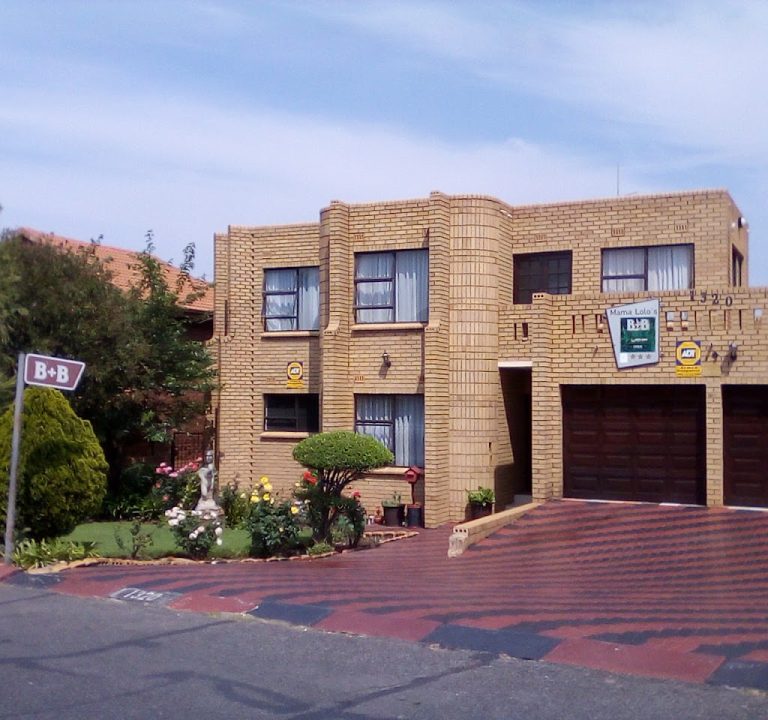
Several accommodation options in Soweto embrace the character of the area. A traditional guesthouse can offer a cosy, home-from-home atmosphere with hosts who share local insights, while smaller boutique properties may present stylish rooms, garden spaces, and intimate dining experiences. For travellers seeking a dependable, well-regarded option, Premier Lyfstyle Guesthouse could serve as an example of a guesthouse that blends comfortable rooms with a personalised approach to guest services. Look for hosts who can arrange immersive experiences, such as guided tours, market visits, and demonstrations of local crafts, ensuring your stay supports the community and provides authentic moments.
Attractions and experiences in and around Soweto run the gamut from historical and educational sites to vibrant, modern culture. Visitors commonly plan to see places that tell the story of the area’s past and its ongoing evolution, including museums that spotlight liberation history, township tours that offer insights into daily life, and parks or public spaces that host concerts and community events. Dining experiences range from informal eateries serving traditional favourites to more contemporary cafes and bistros influenced by the region’s cultural mix. For a balanced itinerary, combine a morning cultural excursion with an afternoon browse through local markets, followed by an evening meal that reflects Soweto’s diverse flavours. Always verify opening times and tour availability in advance, and consider hiring a guide or joining a small-group tour to gain context and safety tips for navigating the area.
- Book a guesthouse with character and practical amenities (breakfast, secure parking, reliable Wi‑Fi).
- Choose a location that balances easy transport access with proximity to the attractions you want to experience.
- Plan to stay for several days to absorb the neighbourhood’s rhythm and to enjoy guided tours and community-led activities.
- Check in advance for guided tours, traditional meals, or cultural workshops offered by the host or nearby operators.
- Bring sensible footwear for street-level exploring and consider daylight-focused itineraries to maximise safety and comfort.
For further inspiration and practical planning, consult official tourism resources and travel guides that cover Gauteng and Soweto. A well-planned stay combines comfortable accommodation, thoughtful transport planning, and a curated mix of cultural experiences, ensuring you leave with lasting memories of Soweto’s energy, history, and hospitality. More information can be found at regional tourism pages and official South Africa travel sites.