Where to stay and what to do in Soweto, Gauteng
Soweto, a vibrant tapestry of history, culture and modern living, offers a range of guest houses, B&Bs and small hotels that put you at the heart of this iconic South African neighbourhood. When planning a stay, consider both the character of the area and how you will move around. A well-chosen base can make day trips effortless and evenings safer and more enjoyable.
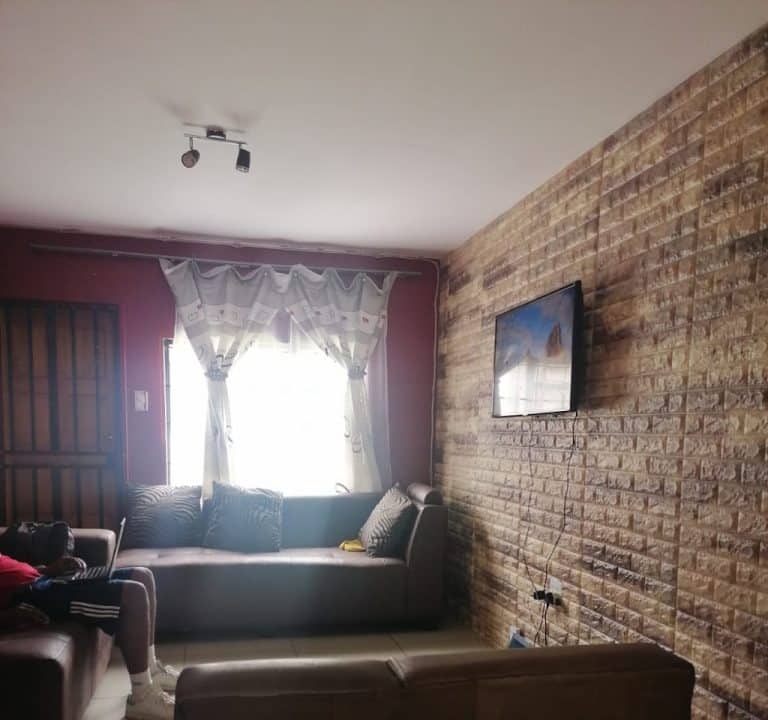
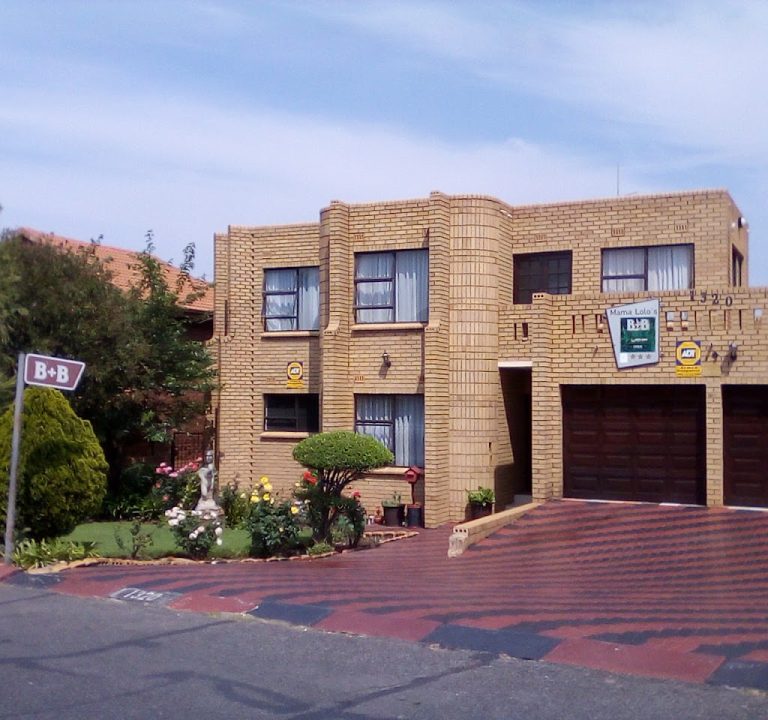
Accommodation options span traditional guest houses, homely B&Bs and stylish lodges. If you are looking for a warm, personal welcome, a guest house such as Soflife guesthouse (categorised as a guest house) can provide comfortable rooms, friendly hosts, and practical amenities without the formality of larger hotels. Many smaller properties emphasise local furnishings, with breakfast included and a chance to connect with fellow travellers over a cup of coffee or a light meal. When choosing a place to stay, think about your priorities: proximity to transport links, access to secure parking, and a convivial atmosphere versus more contemporary, self-contained units.
Areas to consider within Soweto include the historic and increasingly walkable parts near Vilakazi Street, known for its storied heritage and lively evening ambience. Central Soweto nearby offers easy access to markets, parks and neighbourhood eateries, while more residential pockets may provide a calmer, more local feel. If you want a balance of culture and convenience, look for accommodation in zones with straightforward road links to central Johannesburg, or well-serviced public transport stops.
Typical on-site amenities in Soweto accommodation often include private bathrooms, clean linen and daily housekeeping, optional breakfast, and safe parking or easy access to transport hubs. Some properties offer guest lounges, outdoor spaces for socialising, and guided tour planning. If you rely on public transport, confirm how to reach local bus routes or train stations, and ask hosts about safe taxi or ride-hailing options after dark. For longer stays, a kitchen or kitchenettes can be particularly convenient and economical.
Planning a stay in Soweto also means thinking about transport. The suburb is well linked to Johannesburg’s city centre by road, bus routes and rail connections, though services can be busier during peak hours. If you intend to explore beyond Soweto, choose a base that is within a short ride of major routes or near a rail station. For evening outings, enquire about the neighbourhood’s safety and whether the guest house can arrange trusted transfers or recommended providers. Many visitors favour a combination of self-guided exploration by day, with a guided or organised activity in the afternoons or evenings.
Best time to visit Soweto tends to follow the broader climate of Gauteng. The dry winter months offer pleasant daytime temperatures and clearer skies, making sightseeing more comfortable. Spring and autumn provide mild weather, while summer can bring afternoon thunderstorms. Shoulder seasons are ideal if you want to avoid peak crowds and still enjoy pleasant outdoors conditions. If you plan outdoor experiences—such as markets, parks or walking tours—check daily weather forecasts and plan flexible days in case of rain.
When it comes to attractions, Soweto is about stories as much as scenery. You can expect to encounter historic streets, meaningful memorials, and contemporary culture at your pace. Guided tours often cover the origins of the neighbourhood, the role it played during the struggle for freedom, and the everyday lives of residents. Public sculpture, markets, and open spaces offer inviting stops for a relaxed day out. For planning, it’s sensible to combine a cultural stroll with a meal at a local café or restaurant that emphasises seasonal dishes and fresh ingredients. Many visitors also pair their stay with a short excursion to nearby Johannesburg sights, thanks to straightforward transport links and well-trodden travel routes.
Dining in Soweto spans traditional flavours and modern twists. Expect hearty, well-prepared meals with a focus on comforting favourites, roasted meats, stews, and fresh vegetables. Smaller eateries and guest houses frequently offer breakfasts and light lunches, while a handful of restaurants and cafes provide evening menus with sociable atmospheres and live music on certain nights. When choosing where to eat, consider how far you wish to travel from your accommodation and whether you would prefer a casual, informal setting or a sit-down experience with longer opening hours. Always check current hours and whether prior reservations are advised.
Practical tips to help you plan a comfortable stay:
- Communicate with your host about arrival times, breakfast service, and security arrangements. Clear information helps you avoid delays and makes your arrival smoother.
- Ask about parking, safe transport options after dark, and preferred pickup points for tours or activities.
- Pack layers for changing weather and comfortable shoes for walking tours or markets.
- Review transport choices in advance, including local ride-hailing apps, to compare reliability and costs.
- Respect local customs and engage with residents and guides to enrich your experience while staying considerate of the community.
For inspiration and planning, you can explore general Soweto tourism resources online, which offer overviews of neighbourhood highlights, suggested itineraries and practical tips. A thoughtful approach to booking—balancing comfort, location and personal pace—will help you make the most of your stay in Soweto and ensure you depart with lasting memories of this remarkable part of Gauteng.