Cape Town: Accommodation, attractions, dining and practical travel tips
Cape Town offers a rich tapestry of lodging options to suit every traveller, from stylish boutique stays along the Atlantic seaboard to friendly guesthouses tucked away in leafy back streets. When planning a visit, consider not only where you want to base yourself, but also how you intend to spend your days. The right quarter can cut travel time, elevate your scenery, and place iconic sights within easy reach.
Areas to consider include the Atlantic Seaboard, the city centre and V&A Waterfront, and the subtler charms of the Southern Suburbs. The Atlantic Seaboard—including Sea Point, Bantry Bay, Camps Bay, and Clifton—offers spectacular sea views, breeze-washed promenades, and a wealth of cafés and casual eateries. If you crave a cosmopolitan buzz with easy access to museums and markets, the City Bowl and De Waterkant provide compact, walkable streets lined with brunch spots, bookstores, and stylish bars. For a quieter pace and lush greenery, the Constantia and Tokai regions in the Southern Suburbs make excellent bases for day trips to the nearby wine estates and the Kirstenbosch National Botanical Garden.
When choosing accommodation, look for a few critical amenities and features that will shape your stay. Reliable wifi is essential for the modern traveller, whether you’re coordinating work, streaming, or sharing photos from the day’s adventures. A comfortable bed, good sound insulation, and climate control make a big difference in peak season, when streets can be lively and vibrant late into the night. If you’re visiting with family or a group, consider space for everyone and practical extras such as a kitchenette or a private balcony. Parking availability and secure access are practical considerations in busy neighbourhoods. For travellers aiming to reduce morning rush, a property that offers breakfast on-site or easy access to nearby cafés can streamline your plans.
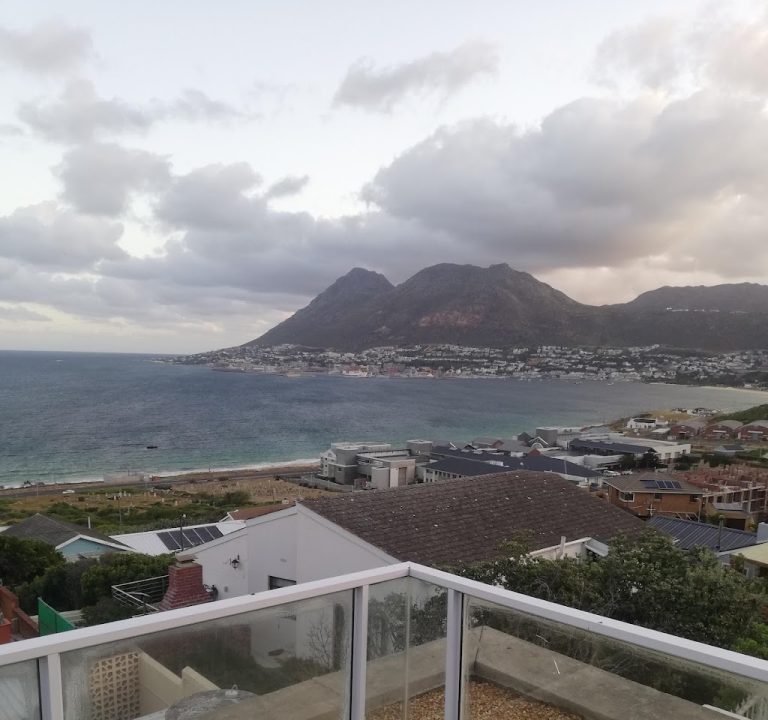
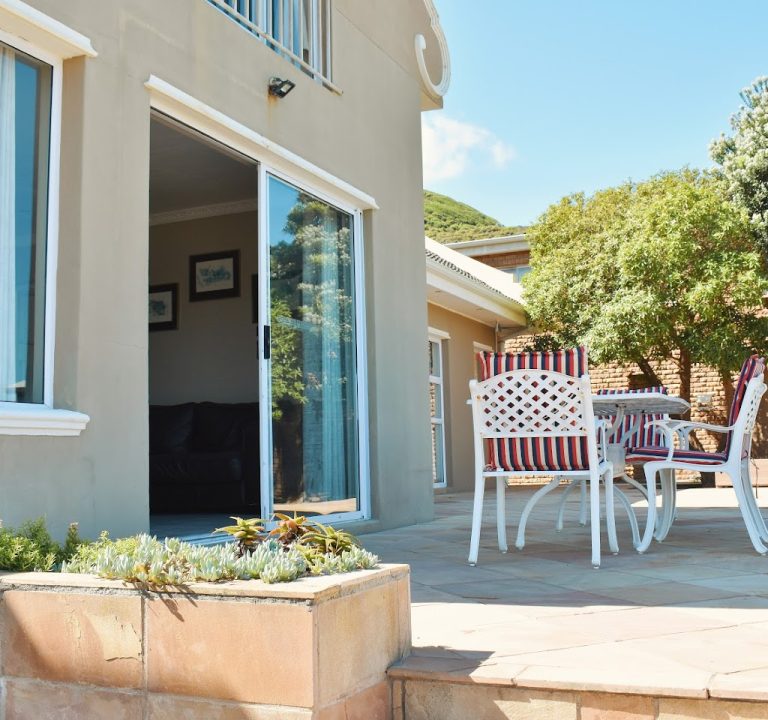
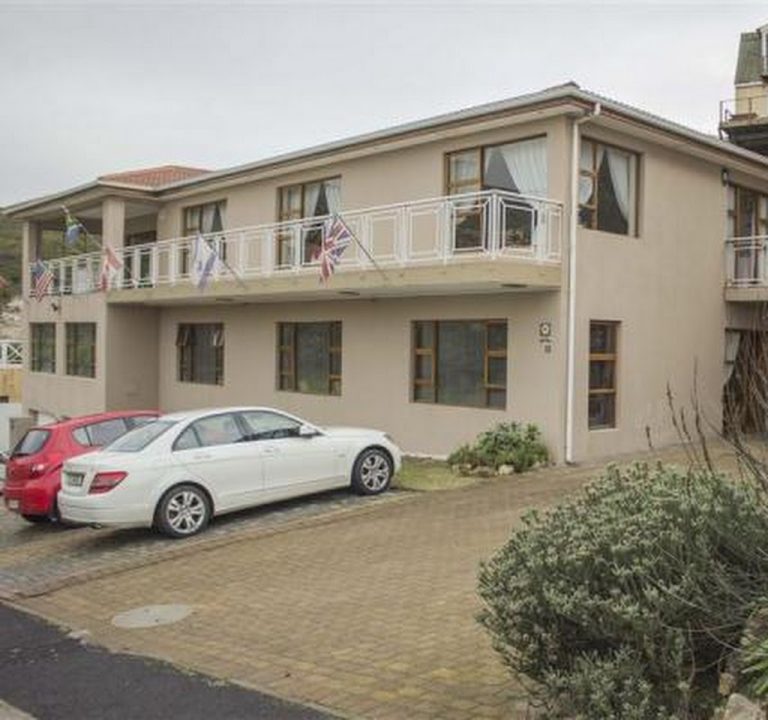
Accommodation types range from boutique hotels with personalised service to guesthouses that feel like a home away from home, and self-catering apartments with kitchen facilities. A listed option such as Penguin Blue (a lodging choice in Cape Town) can offer a distinctive local flavour with intimate service and convenient access to both beaches and city sights. If proximity to the water is high on your list, sea-facing rooms near Camps Bay or Sea Point tend to command spectacular views, while City Centre pads provide rapid access to cultural attractions and meetings. For those seeking a mid-range balance, family-friendly guesthouses in leafy neighbourhoods or modern lodges on the edge of the mountain offer good value without sacrificing comfort.
Transport in Cape Town is straightforward but worth planning in advance. The MyCiTi bus network is expanding reach across the city and offers a cost-effective way to cover longer hops between suburbs. Taxis and ride-hailing services are widely available and convenient for late evenings or trips to the mountain. If you’re hiring a car, remember that some streets can be steep or narrow, while parking in popular districts can be limited or metered. A day trip itinerary that includes a drive along the Atlantic Seaboard to Clifton and Camps Bay, followed by a scenic drive up to Table Mountain or a short hop to the Constantia wine route, makes good use of flexible transport options and can reduce backtracking.
Best time to visit Cape Town is influenced by weather, events, and sea conditions. Spring (September to November) brings bloom-filled hillsides and mild temperatures, while autumn (March to May) offers sunny days with fewer crowds. Summer (December to February) is peak season, with lively beaches and harbour activity, but it can be busy and more expensive. Winter (June to August) remains mild compared with northern destinations, though some days are cooler and windier, which is ideal for hikers seeking a less crowded Table Mountain experience.
When planning daily activities, aim for a mix of nature, culture, and food experiences. Iconic draws such as Table Mountain and the Cape’s coastal pathways sit alongside world-class wine regions a short drive away. Robben Island, Kirstenbosch Gardens, Chapman's Peak drive, and the bustling waterfront markets offer a well-rounded spectrum of options. Dining in Cape Town runs from casual seaside eateries to refined restaurants that showcase seafood, grilled meats, and vibrant vegetarian dishes. Rather than fixating on specific names, look for venues that emphasise fresh ingredients, seasonal menus, and a welcoming atmosphere. You’ll also find excellent coffee houses, bakeries, and neighbourhood bistros that capture the city’s diverse culinary mood.
Practical tips for a smooth stay:
- Book early if travelling in peak season or over holidays, especially for seafront or central locations.
- Ask for details about breakfast options, parking, and noise levels when available—these small details can greatly affect comfort.
- Check the cancellation policy and any eligibility requirements for refunds in the event of travel changes.
- Consider combining your lodging with at least one guided or self-guided activity to maximise your days, such as a scenic drive, a short hike, or a waterfront stroll.
For planning resources and inspiration, reputable sources such as official tourism sites offer practical information, sample itineraries, and practical guidance on transport and safety. With its natural beauty, vibrant neighbourhoods, and delicious dining scenes, Cape Town invites visitors to craft a stay that blends relaxation with memorable excursions. For a coastal city break or a longer exploration, a thoughtfully chosen base can transform your trip into a seamless, enjoyable experience.