Accommodation and Experiences in Cape Town, Western Cape
Cape Town offers a diverse range of places to stay, from intimate bed & breakfast properties in picturesque coastal suburbs to stylish boutique hotels overlooking harbour and mountain. When planning a visit, weigh the vibe you want: whether you prefer the quiet of a hillside retreat with sea views, easy access to the city’s museums and markets, or a beachfront base close to dining and nightlife. In popular areas, early booking is wise, especially for peak seasons and long weekends.
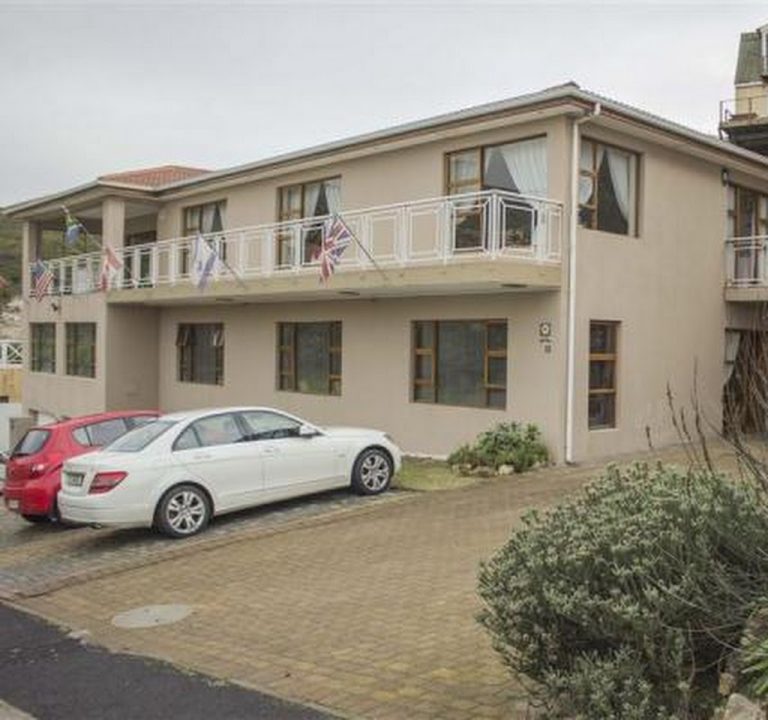
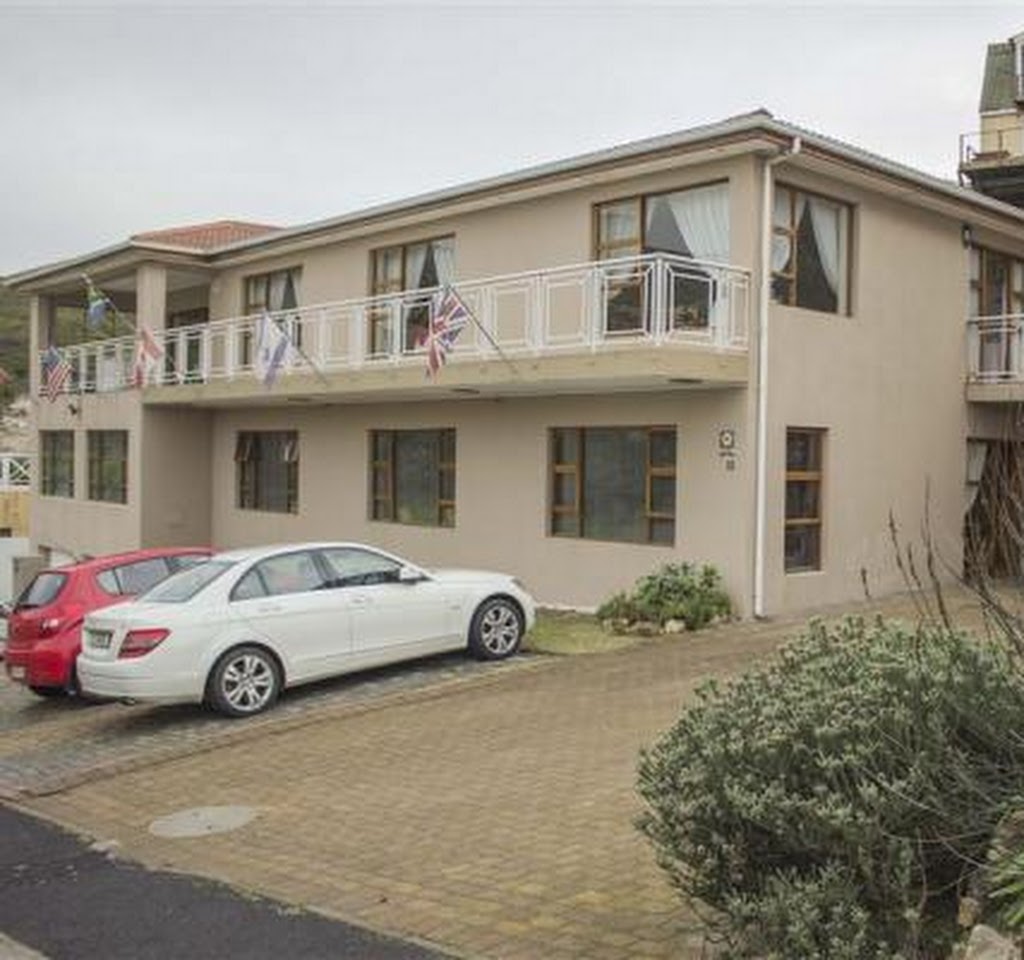
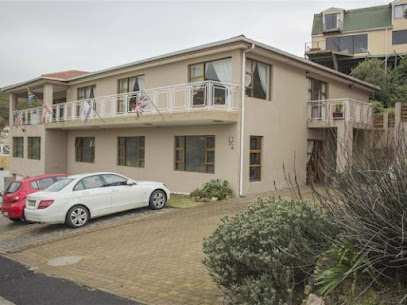
A well-chosen base can define your trip. In central Cape Town, you’ll find modern comforts, reliable transport links, and proximity to iconic sites. More tranquil locations, such as the Atlantic Seaboard or Constantia’s wine estates, offer spacious rooms, larger gardens, and a relaxed pace. For a maritime flavour, consider stays in Simon’s Town or Kalk Bay, where you can enjoy harbour views, coastal walks, and a short drive to the cape’s wildlife and penguin colonies. An example of a guesthouse option in the region is 15 on Penguin Guest House in Glen Marine, Simon’s Town, a classic base for exploring the Cape Peninsula while enjoying personalised service.
Typical accommodations fall into several categories. Bed & breakfasts in Cape Town often combine charm with practical perks: breakfast included, private or en-suite bathrooms, free parking, and easy access to local transport. Boutique hotel rooms may offer stylish decor, larger common areas, and concierge-style guidance on day trips. Self-catering cottages or apartments on the outskirts can be excellent value for families or groups who want more independence. When you book, check the level of service on offer, the availability of secure parking, and whether the property can assist with airport transfers or guided excursions.
Key amenities to consider include reliable Wi‑Fi, heating or air conditioning, and sound insulation, especially if you are staying in busy districts. Practical extras can make a big difference: on-site parking, laundry facilities, a guest lounge, and a well-equipped kitchenette. If you plan to spend days touring, ask about early breakfasts, packed lunches, and recommendations for local tours or private drivers. For families, family rooms, cribs, and easy access to stairs or ramps are important details to verify in advance.
Transport links are important for getting the most from your stay. In Cape Town, you’ll typically have access to a mix of MyCiTi buses, metered taxis, and ride-hailing apps. If you’re exploring beyond the city centre, a rental car offers flexibility for coastal drives to neighbouring towns and nature reserves. Ask your host or hotel about parking restrictions in the neighbourhood and whether a vehicle is necessary for your plans. If you prefer not to drive, many guesthouses organise guided tours or provide route suggestions for scenic walks along the harbour or coastal paths.
The best time to visit Cape Town depends on your priorities. The summer months (roughly November to March) bring longer days and warmer seas, ideal for beach days and outdoor activities. Winter (June to August) can be cooler and windswept, but it’s a excellent time for dry, crisp days with vibrant city life and fewer crowds. Spring and autumn offer mild temperatures and the chance to combine outdoor explorations with tastings at nearby wine routes. Pack layers, a light rain jacket, and sun protection, as the climate can change quickly along the coastline.
When planning activities, mix natural wonders with cultural experiences. Iconic sights include Table Mountain, Kirstenbosch National Botanical Garden, and the Cape Peninsula’s scenic drives that lead to penguin colonies and rugged coves. In the city, you’ll discover markets, craft shops, and restaurants that emphasise Cape flavours without relying on a single cuisine. For dining, many areas offer a spectrum of options—from casual bistros to refined eateries—with an emphasis on fresh produce, regional seafood, and South African favourites. It’s wise to reserve popular spots during peak periods.
Practical tips for a smooth stay:
- Check the neighbourhood’s safety and proximity to your planned activities. Pick accommodation with good street lighting and secure access if you will be returning after dark.
- Ask about dynamic pricing, cancellation policies, and whether breakfast is self-serve or prepared by staff.
- Confirm the nearest public transport stops or taxi services to avoid delays when travelling to attractions.
- Consider a mix of stay types to balance convenience with immersion—perhaps a city-centre stay for access to culture and dining, plus a quieter coastal base for relaxation.
- Look for hosts or properties that can help you with personalised plans, such as day trips to the Cape Point, Simon’s Town’s naval history, or the Constantia wine route.
For planning resources and inspiration, official city and regional tourism sites offer maps, suggested itineraries, and practical travel tips. They can help you tailor a stay that balances scenic beauty, cultural experiences, and comfortable accommodation. Whether you choose a cosy bed & breakfast like 15 on Penguin, or a stylish hilltop retreat with sweeping views, Cape Town is well suited to a flexible itinerary that blends outdoor adventure with urban discoveries.