Cape Town: Accommodation, attractions and planning your stay
Cape Town offers a diverse range of stays that suit every style and budget, from intimate guest houses in leafy suburbs to boutique hotels with sweeping city and harbour views. When planning a visit, think about what you want from your days: easy access to mountains and beaches, proximity to dining and culture, or a quiet base from which to explore the surrounding wine lands. Your choice of neighbourhood will shape your experience almost as much as the accommodation itself.
Neighbourhoods to consider include the City Bowl, which places you close to museums, markets and a lively dining scene; the Atlantic Seaboard, famed for beaches and scenic drives; the V&A Waterfront area for ferry trips and easy access to tours; and the Southern Suburbs or Constantia for extensive gardens, wine routes and tranquil residential settings. Bo-Kaap offers vibrant heritage and cobbled streets, while Green Point and De Waterkant provide contemporary stays with easy access to nightlife and coastal walks. For a more secluded escape, world-class vineyards are just a short drive away in the Constantia and Stellenbosch regions.
Typical accommodation in Cape Town ranges from guest houses offering personalised service and breakfast to stylish boutique hotels with enhanced amenities. When booking, look for a few key features to ensure a comfortable stay:
- Location relative to your planned activities and transport options
- Clear information about arrival times, access, and on-site security
- Inclusive or optional breakfasts, and the availability of self-catering facilities if you prefer
- Free Wi‑Fi, reliable heating or air conditioning, and good heating for cooler evenings
- Parking arrangements if you plan to rent a car or use taxis
- Guesthouse or hotel policies on noise, guest access, and written confirmation of bookings
In terms of amenities, many properties offer a combination of secure parking, breakfast service, and modern conveniences such as streaming-friendly televisions, USB charging points, and well-equipped desks for work travellers. Some guest houses provide balconies or terraces with mountain or sea views, while others focus on spacious gardens and inviting communal areas. If you prefer a more independent stay, self-catering apartments or villas within a secure complex can be a good option, particularly near beaches or the waterfront.
Transport in Cape Town is straightforward but varies by area. The MyCiTi bus service offers a reliable way to travel around the city centre and major tourist zones, while Uber and other ride-hailing apps are widely available. If you are staying near the coast or in the Southern Suburbs, a car can be convenient for day trips to the Cape Point reserve, the Constantia wine route, or the Cape Winelands. When you arrive, confirm how local transport and airport transfers are handled by your host or hotel and whether a parking space is included.
The best time to visit Cape Town depends on your plans. Spring (September to November) and autumn (March to May) offer mild weather, fewer crowds and excellent conditions for hiking up Table Mountain or exploring Kirstenbosch Gardens. Summer (December to February) brings longer days and vibrant outdoor dining and markets, but can be busy in popular areas. Winter (June to August) is cooler and wetter, yet affords fewer crowds and great value in many guesthouses, with the added charm of nearby wine estates and indoor attractions.
When planning an itinerary, mix iconic landmarks with leisurely day trips. Typical experiences include a cable car or hike up Table Mountain, a harbour or boat trip, visits to environmental and historical sites, and trips to the Cape Point reserve. You can also enjoy nearby markets and casual eateries that showcase Cape flavours, from seafood shacks along the coast to cafés offering fresh bakes and locally sourced produce. For a broader experience, consider a day trip to the Cape Winelands for wine-tasting tastings, estate lunches, and panoramic vineyard views—often a memorable complement to a Cape Town stay.
Practical tips to help you get the most from your visit:
- Book a flexible stay when possible, especially if you plan to adjust dates for good weather or short-notice events.
- Read host and guest reviews to understand what the area is like at different times of day and year.
- Pack layers, a windproof jacket and sun protection, as coastal weather can be changeable.
- Be mindful of safety in urban areas—keep valuables secure and use reputable transport at night.
- Check if your accommodation provides airport transfers, city tours, or bicycle or car hire assistance.
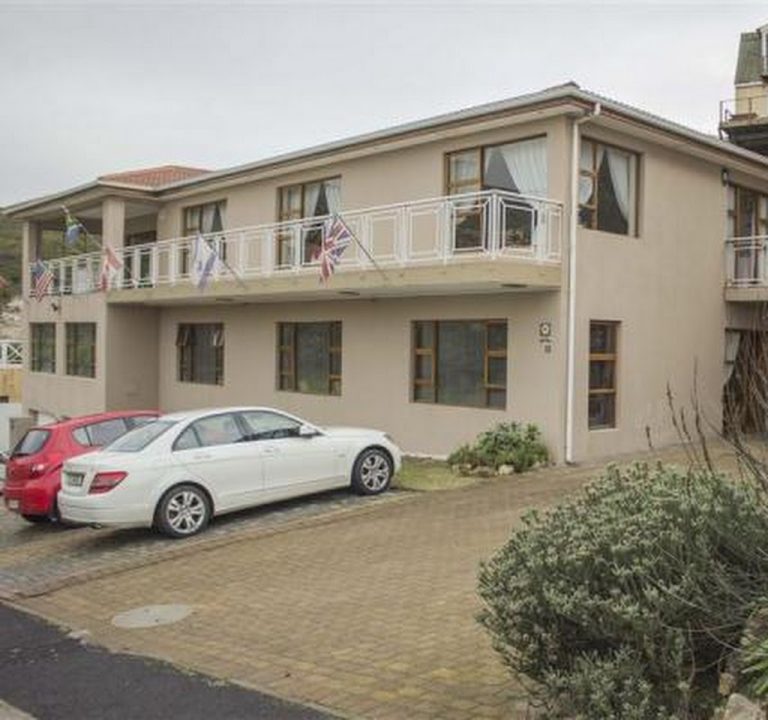
As a practical example, a well-situated guest house such as Marianella Guest House can offer a welcoming base from which to explore the city, with easy access to public transport, nearby cafés, and local markets. While the accommodation style may vary, the emphasis remains on warmth, convenient facilities, and a thoughtful approach to planning your stay.
Ultimately, Cape Town rewards curious travellers with diverse stays and rewarding experiences. By aligning your choice of neighbourhood, type of accommodation, and planned activities, you can craft a stay that balances restful downtime with adventurous days, creating memories of this remarkable corner of South Africa.