Capable and Comfortable: Where to Stay in Cape Town and How to Plan Your Visit
Cape Town is a city of contrasts, where dramatic natural scenery meets buzzing urban life. When planning a stay, consider the areas that suit your pace and interests. The City Bowl and the Foreshore offer convenient access to historic streets, museums and a vibrant dining scene, while Green Point and the V&A Waterfront provide easy access to the harbour, promenades, and a lively shopping quarter. For sun-seekers and coastal views, Camp Bay and the Atlantic Seaboard deliver dramatic beaches and sunlit walks. For quieter residential charm and easy access to wine country, Constantia and Hout Bay are excellent options.
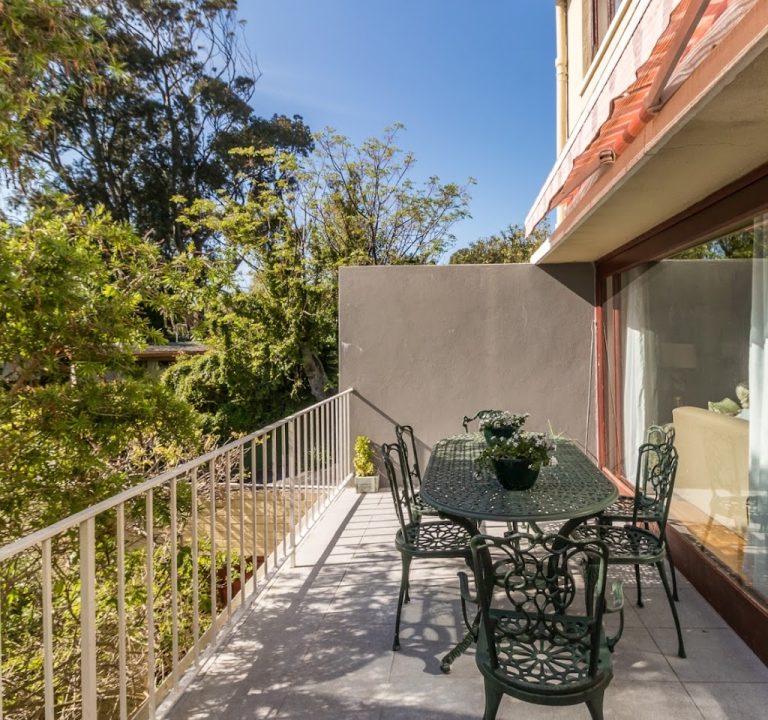
Accommodation such as Oak House, a welcoming guest house, can offer a homely base with the comfort and convenience travellers value. When you choose a stay, think about the kind of neighbourhood that will enhance your itinerary: proximity to the attractions you plan to visit, the rhythm of the surrounding streets after dark, and how easy it is to get around without relying solely on taxis. In Cape Town, many guest houses, boutique hotels and self-catering options balance character with practical amenities, often featuring landscaped gardens, secure parking, free Wi-Fi, and breakfast choices that showcase regional produce.
Booking tips and practical planning go hand in hand. Look for properties that clearly state: location advantages, transport links, and on-site facilities. If you plan to stay near Table Mountain or the Cableway, you’ll want straightforward access and a comfortable room after a day of trekking or sightseeing. If you’d rather stroll to cafés and markets, pick a spot in or around the historic inner city or the cultural hubs of Woodstock or Observatory. Always check review summaries for details about noise levels, cleanliness and the responsiveness of the host or management team.
Typical amenities that travellers value include reliable Wi-Fi, a generous breakfast offering hot options and healthy choices, parking either on-site or nearby, and flexible check-in and check-out where possible. A guest house like Oak House will often emphasise personal service, with owners who can offer customised tips for day trips, safe parking arrangements, and local dining recommendations. For families, look for family rooms or suites with separate sleeping areas and child-friendly amenities; for solo travellers or couples, a private balcony or a quiet lounge can be anchors for a comfortable stay.
Getting around Cape Town is part of the experience. Public transport like the MyCiTi bus network is a practical option for many visitors, while rideshare apps provide door-to-door convenience. If you plan to explore beyond the city, a hire car gives you freedom to visit winelands, coastal viewpoints and nature reserves at your own pace. Remember that some areas in Cape Town are hillside or cobbled, so comfortable walking shoes are essential. If you prefer not to drive, many hotels and guest houses arrange transfers or can point you toward trusted tour operators for day trips.
Best time to visit Cape Town depends on what you’re hoping to do. Spring (September to November) and autumn (March to May) offer milder weather and fewer crowds, with pleasant conditions for outdoor exploration and wine-tasting adventures. Summer brings long days and lively outdoor markets, beaches, and sunset panoramas, while winter (June to August) provides quieter streets and excellent conditions for whale-watching from the coast. Pack a light layer for evenings, because coastal winds can be changeable, and always have a sunscreen and hat handy for daytime sightseeing.
When planning activities, select a mix of iconic sights and local experiences. You might dedicate mornings to a cable car or hiking excursion up Table Mountain, followed by a stroll through historic districts, markets, and harbourfront promenades during the afternoon. Consider castle- and museum- visiting days alongside relaxed lunches at seaside restaurants that highlight Cape flavours. For nature lovers, a day trip to Kirstenbosch National Botanical Garden or a scenic drive along Chapman's Peak offers memorable views. For wine enthusiasts, the Constantia and Stellenbosch regions are easily reachable for half-day or full-day tours.
Sample plan ideas to tailor to interests:
- City culture and cuisine: base yourself in a central district with easy access to museums, theatres, and a diverse restaurant scene; spend evenings wandering historic streets and trying seasonal dishes.
- Harbour and coastal scenery: stay near the harbour or the Atlantic Seaboard to enjoy long walks, ocean views, and fresh seafood.
- Wine and nature: stay in Constantia or nearby and structure day trips to vineyards, with a tranquil base for restful evenings.
Finally, think about practicalities when choosing where to stay. Check the property’s security provisions, the convenience of access to public transport or parking, the availability of on-site meals, and the flexibility of cancellation policies. Prepare a rough itinerary that balances must-sees with downtime—the best holidays in Cape Town often combine a few dramatic highlights with restful cafés and scenic spots along the route. Whether you’re drawn by the mountain, the sea, or the city’s multicultural flavour, Cape Town rewards thoughtful planning and a comfortable, well-situated place to call home during your visit.