Exploring Cape Town: Where to Stay and What to Do
Cape Town sits between dramatic mountain scenery and sparkling coastline, offering a breadth of accommodation to suit every traveller. When planning a stay, consider the neighbourhoods that fit your interests, from harbour-front stays with easy access to ferries and tours to hillside retreats with sweeping views of the Atlantic. A well-chosen base can shape your pace of travel, the kinds of experiences you have, and how comfortable you feel navigating the city’s lively streets.
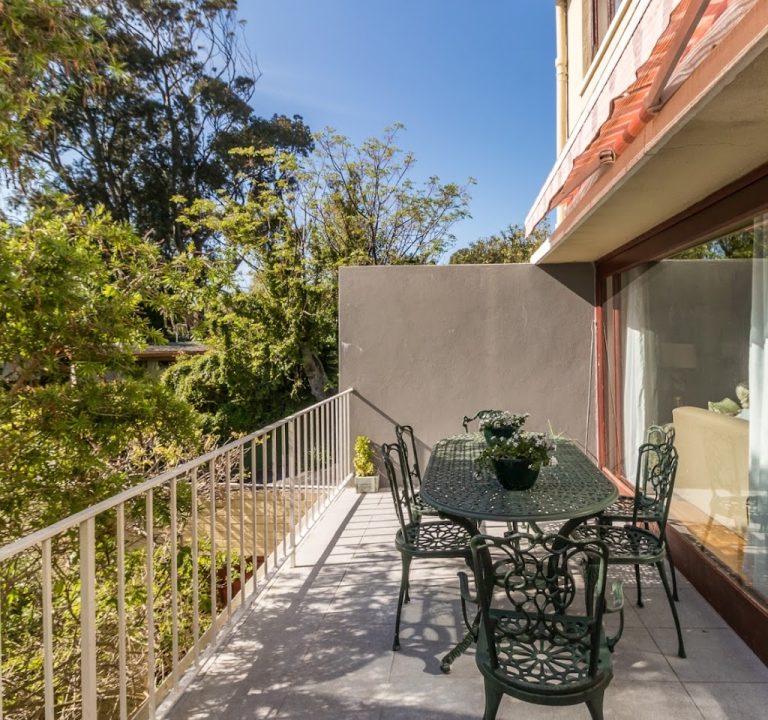
For those who want a home-from-home with a touch of privacy, holiday apartments and guesthouses provide flexible options. A place such as Chambery House, a well-located holiday apartment, can serve as a convenient anchor for exploring the city. When booking, look for clear space descriptions, verified photos, and a host or property management that can advise on local logistics. Check what’s included in the rate—kitchen facilities, a washing machine, reliable Wi-Fi, and dedicated parking can make a big difference for longer stays or families.
Area-by-area planning helps you manage time and transport without sacrificing relaxation. The V&A Waterfront and Green Point are popular for first-time visitors, offering easy access to excursions, museums, and waterfront dining. The City Bowl areas provide central proximity to markets, galleries, and historic streets, while the Atlantic Seaboard—think Camps Bay and Clifton—delivers dramatic sea views and stylish bistros, at the cost of shorter travel times to beaches and scenic drives. Constantia and Kalk Bay are ideal for quieter residential vibes and access to wine estates or harbour-side brunch spots. If you enjoy a bohemian atmosphere and strong culinary scenes, Woodstock and Observatory offer character-filled properties alongside cafés and music venues.
Key things to look for when booking include: space layout and privacy, natural light, and quality bedding. Ask about access to a dedicated entrance, luggage storage, and whether there is a doorstep or near-door drop-off for taxis. For families or groups, confirm sofa beds or additional bedrooms, and whether streets near the property are pedestrian-friendly if you plan to walk to markets and eateries. Practical conveniences such as air conditioning or heating, reliable security, and a well-equipped kitchen will help you tailor your stay to the season and your preferences.
Typical amenities in well-sited stays range from in-unit kitchen facilities and laundry options to on-site parking or easy street parking, secure access, and daily housekeeping in some properties. If you rely on public transport, consider proximity to MyCiTi bus routes or main train lines, which can significantly cut travel time between beaches, the city centre, and tourist hubs. In a city with hills and windy coastal routes, a car may offer flexibility, but many areas are walkable with short rides to restaurants and markets.
Best time to visit Cape Town depends on what you’re seeking. The summer months (December to February) are lively and beach-friendly, with longer daylight hours. Autumn (March to May) brings pleasant temperatures and a calmer pace, ideal for scenic drives along the Atlantic coast and outdoor markets. Winter (June to August) is cooler and windier, yet it has its own charm, with fewer crowds at popular attractions and a signal of great value for accommodation. Spring (September to November) offers blooming gardens around Kirstenbosch and coastal hikes with comfortable conditions. Whatever the season, balance planned activities with restful downtime to enjoy sunsets over the ocean or a quiet meal at a nearby restaurant with a view.
When you plan your itinerary, include a mix of natural and cultural experiences. Iconic landscapes are complemented by world-class museums and heritage sites that reflect the city’s diverse stories. A day could begin with a morning walk along a seaside promenade or a cable-car ride up Table Mountain for panoramic views, followed by a late lunch in a harbour district and a stroll through neighbourhood markets in the afternoon. For food lovers, Cape Town’s dining scene ranges from casual cafés showcasing local produce to refined eateries that highlight regional wines and ingredients. In general terms, you’ll find seasonal seafood, farm-to-table dishes, and international influences that reflect the city’s cosmopolitan mix.
Planning practicalities helps you minimise stress and maximise enjoyment. Budgeting for accommodation should account for the area and the season, with flexible cancellation policies where possible, as weather and travel plans can shift. Pack for a range of conditions: sun protection for sea days, a light layer for coastal evenings, and sturdy footwear for hiking or market strolling. Ensure you have a plan for transport between days—whether you prefer self-drive, rideshares, or guided tours—so you can focus on the scenery and the people you meet along the way. Always have a plan for safety and personal belongings, especially in busy hubs and at popular beaches. If you’re booking through a holiday apartment listing, cross-check the property’s location on a map, read recent guest reviews for insights on noise levels and host responsiveness, and note the check-in process so you arrive smoothly.
- Consider staying in a mix of areas if your itinerary is long: a central base for city exploration, a coastal stay for beach-time, and a wine route vicinity for day trips.
- Look for verified photos and clear descriptions of rooms, facilities, and any shared spaces.
- Check access to reliable Wi‑Fi, laundry, parking, and self-catering facilities.
- Assess proximity to transport links and whether short rides to major sights are easily manageable.
Cape Town rewards patient planning with a balance of outdoor beauty, cultural discovery, and gastronomic variety. Whether you choose a stylish apartment, a welcoming B&B, or a boutique hotel, a thoughtful stay that aligns with your interests will help you explore with ease and return home with lasting memories. For a convenient base with a strong foothold in the city, you can learn more about Chambery House at its website: Chambery House.