Exploring Cape Town: Where to stay, what to seek, and how to make the most of your visit
Cape Town offers a compelling blend of coastal scenery, urban culture and dramatic landscapes. When planning a stay, choosing the right area and accommodation can shape your entire experience. Whether you prefer a stylish guest house with sea views, a boutique hotel near the V&A Waterfront, or a self-contained lodge in the city’s quieter pockets, there is something to suit every itinerary and budget.
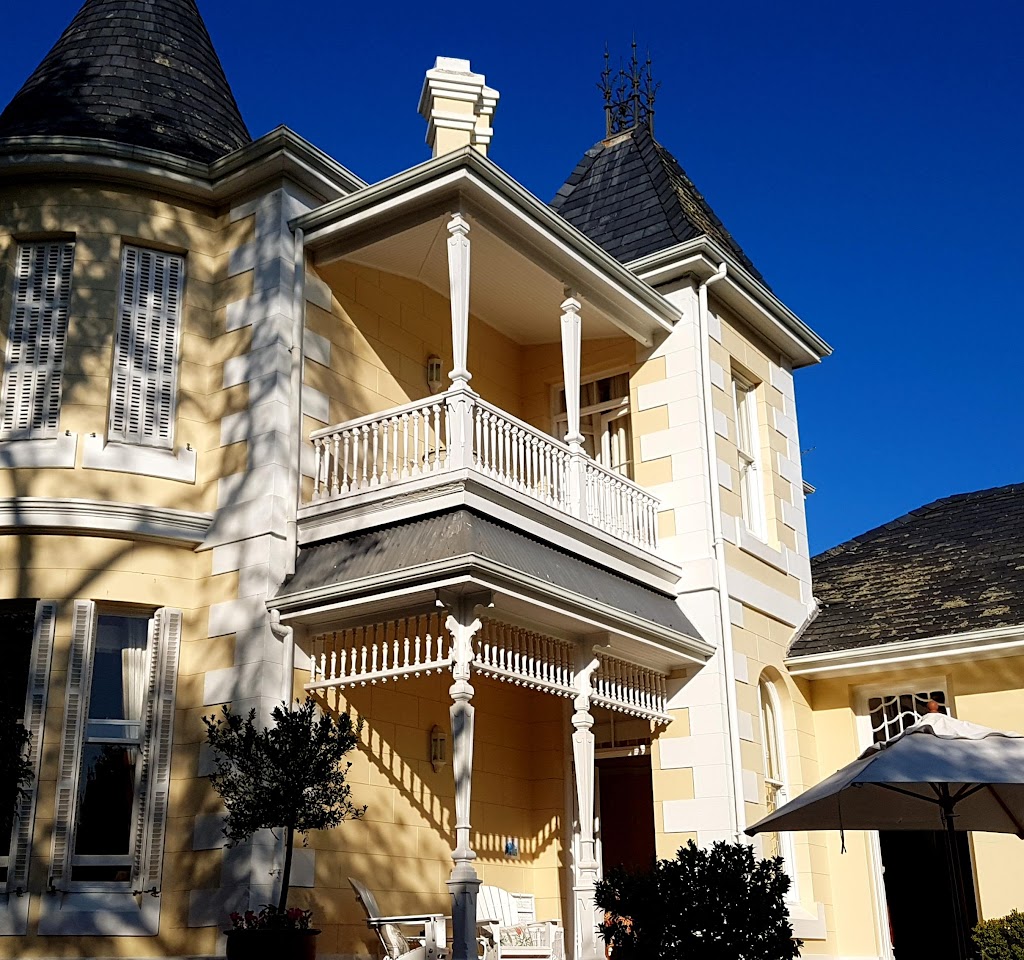
Start with location in mind. The Atlantic Seaboard (including areas such as Camps Bay, Clifton and Sea Point) is popular for beach access, sunsets and a lively dining scene. The City Bowl puts you within strolling distance of museums, markets and historic sights. Constantia offers leafy tranquillity and proximity to wine estates, while Woodstock and the broader inner city provide a creative, up-and-coming atmosphere with easy access to transport hubs. If you are travelling with family or seeking a quieter base, consider the southern suburbs or green-facing hillsides around Kirstenbosch. For a guest house experience with character, a property like Victoria House in a central yet relaxed zone can be a solid choice; visit their site for more details on room styles and inclusions: Victoria House.
What to look for when booking:
- Location relative to your planned activities. A short Uber ride or easy MyCity bus route can save time in peak traffic.
- Public transport access or parking options if you plan to drive along the Atlantic coast or to the Cape Winelands.
- Room layouts and privacy, especially if you are travelling as a couple, family or group. Options range from compact en suites to larger suites with separate lounges.
- Included facilities such as reliable Wi‑Fi, halal or vegetarian meal options, secure parking, housekeeping frequency and access to a communal kitchen or cosy lounge areas.
- Business needs if you are travelling for work, including desk space, power outlets and quiet corners for meetings.
Typical amenities you might encounter and how they help plan your day:
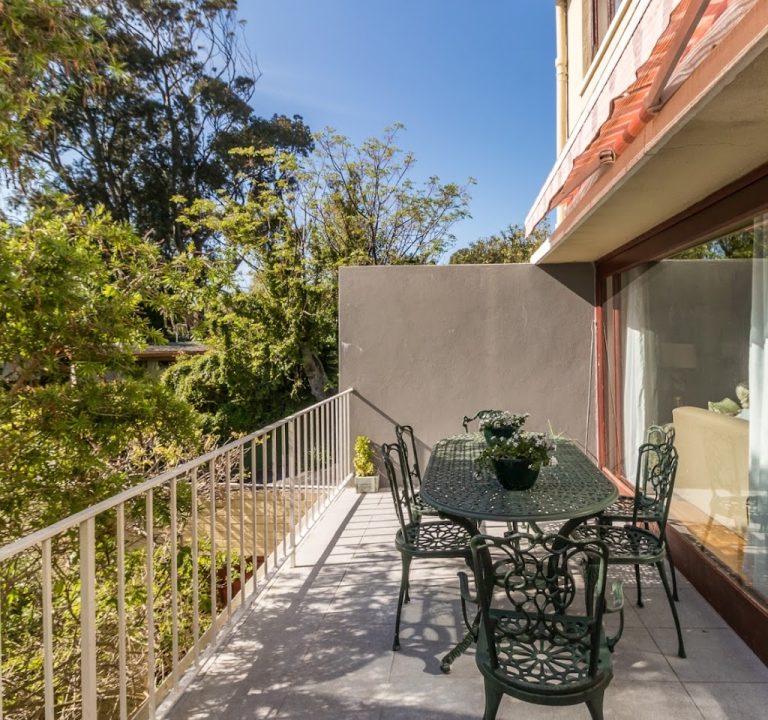
Many guest houses and boutique hotels offer rooms with en suite bathrooms, air conditioning or silent cooling systems for Cape Town’s warmer months, and complimentary tea and coffee trays. Breakfast is commonly provided, ranging from continental selections to full cooked options. Some properties boast terraces or balconies with views of Table Mountain or the ocean, while others offer swimming pools, gardens or outdoor lounges. If you are sensitive to stairs or need accessibility features, check the property’s layout and request details about ground-floor rooms or lifts in advance.
Transport and getting around: Cape Town is a city best explored with flexibility. If you are staying near the central sights or the V&A precinct, you’ll be within walking distance of cafés, markets and cultural venues. For longer day trips—for example to the Cape Peninsula, the winelands, or the Constantia Valley—rental cars provide the most freedom, though organised tours and hop-on hop-off services remain popular. In many areas, ride-hailing apps are common and straightforward to use. If you prefer a car-free stay, choose a base with good access to guided tours or day trips from a convenient hub.
Best time to visit and what to expect weather-wise: The Western Cape enjoys a temperate climate with warm summers and mild winters. Peak tourism tends to span from late spring to early autumn, when seabreeze afternoons temper warmer days. Spring and autumn are pleasant for outdoor activities such as hiking Table Mountain, visiting botanical gardens, and exploring the coastline without the peak-season crowds. If you are chasing whale watching or seasonal special events, plan ahead and check local event calendars for openings and closures at attractions and eateries.
What to see and where to eat (general guidance):
Top natural highlights include the iconic mass of Table Mountain towering above the city, as well as nearby coastal reserves and beaches. The Atlantic coastline offers scenic drives and viewpoints, while the Cape Peninsula route typically includes stops at dramatic headlands and penguin colonies. Cultural experiences range from galleries and craft markets to history-focused tours that illuminate Cape Town’s diverse heritage. For food lovers, Cape Town hosts a vibrant restaurant scene with influences from across Africa and the world. Look for venues that emphasise seasonal ingredients, sustainable practices, and friendly service to pair with your day’s adventures.
Practical tips to help your stay run smoothly:
- Pack a light jacket for coastal winds and a hat for sun protection, even on cooler days.
- Book early for popular spots and peak dining periods, especially in December and January.
- Reserve a backup plan for weather-dependent activities, such as outdoor hikes or harbour cruises.
- Respect local customs and environmental guidelines when visiting nature reserves and beaches.
- Plan a balanced mix of activities and downtime to avoid travel fatigue, particularly if you are visiting with children.
Ultimately, your Cape Town stay should balance a comfortable base with access to the city’s natural beauty and culinary scene. A well-chosen guest house or boutique stay can offer a home-from-home atmosphere while you explore iconic viewpoints, markets and restaurants. For inspiration and a comfortable base in the heart of the city, consider a stay at Victoria House, and explore their accommodation options and amenities via their website: Victoria House.