Accommodation and experiences in Cape Town, Western Cape: planning your stay
Cape Town offers a wide range of staying options, from intimate guest houses to stylish boutique hotels and comfortable lodges. When planning a visit, think about what you want from your base: proximity to sweeping coastline, easy access to Table Mountain and other natural highlights, or a neighbourhood with lively streets and convenient dining. The city’s varied neighbourhoods each offer a distinct atmosphere, so choosing the right area can shape your whole trip.
Popular areas for visitors include the city bowl, which is close to central sights, cultural venues and a wide choice of restaurants. The Atlantic Seaboard and Camps Bay provide seaside scenery, upmarket eateries and sunset views. Green Point and the V&A Waterfront are convenient for harbour strolls and day trips to the Cape Peninsula. For a more relaxed, wine-country feel with easy access to Cape Town’s renowned vineyards, the Constantia Valley and nearby wine routes are ideal. If you prefer a quieter, residential vibe with character, consider places a short drive from the city centre or along the Atlantic coast.
When selecting accommodation, consider the following practical points. First, check access to transport: is there a reliable bus network or nearby taxi/hire car options, and how easy is it to reach the starting points of day trips? If you plan to explore on your own timetable, a rental car can be convenient, but in peak seasons some streets near the popular sights can get busy. Second, read room and facility details carefully: most guest houses and hotels in Cape Town offer breakfast, and some provide additional perks such as parking, laundry services, or late check-in. Third, consider the guest house or hotel’s style and what makes you comfortable—cosy rooms with a sea view, or a modern studio with a kitchenette for longer stays. A well-run guest house often fosters a friendly atmosphere and local recommendations from the hosts.
Typical amenities to look for include free Wi‑Fi, secure parking, air conditioning or heating appropriate to the season, and clear policies on cancellation. A practical approach is to map out a rough itinerary and then estimate daily travel time between your accommodation and the places you wish to visit. For families or groups, seek family rooms or suites with sufficient space, and note any accessibility features if needed. For guests who value sustainability, some properties highlight eco-friendly practices and local sourcing of meals or amenities.
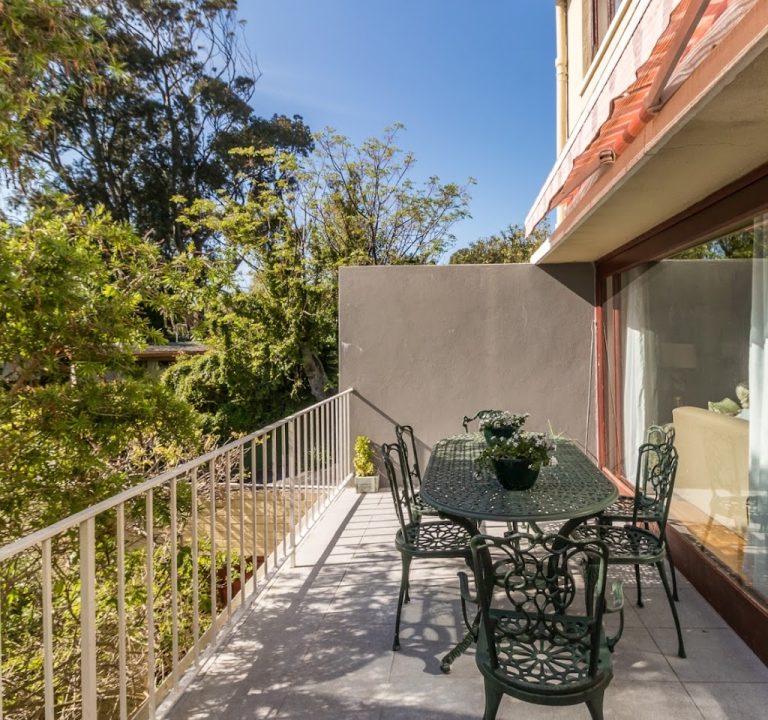
Accommodation on the Cape Peninsula often features a blend of modern comfort and classic Cape Dutch or colonial styling. Expect well-appointed bathrooms, comfortable beds, and thoughtful extras such as tea and coffee facilities, a small seating area, and, in some cases, private balconies or terraces with harbour or mountain views. If you’re seeking a home-from-home feel, neighbourhood guest houses can offer personalised service and useful tips from hosts about daily markets, seasonal events, and scenic detours.
Planning your stay around Cape Town’s attractions can help you optimise your time. The surrounding area offers natural beauty, such as easy-access viewpoints on the mountain or dramatic coastal drives. Cultural experiences often revolve around the city’s historic streets, museums, markets, and waterfront developments. For meals, Cape Town’s dining scene spans casual cafés to fine dining, with many venues focusing on fresh seafood, grilled meats, and vibrant vegetables grown in nearby regions. When choosing places to eat, consider venues that support local producers and adapt menus with seasonal ingredients. Always check opening hours and whether advance bookings are recommended, especially in peak travel periods.
Seasonality affects the experience as well. Summer (December to February) brings longer days and sea breezes, ideal for outdoor activities and beach visits, while autumn (March to May) offers comfortable temperatures and quieter streets. Winter (June to August) can be cooler and windy, but this is a good time to explore museums, markets, and indoor attractions. Spring (September to November) often combines pleasant weather with blooming gardens at places like Kirstenbosch. The best time to visit depends on your priorities—outdoor adventures, food and wine experiences, or cultural discoveries.
Accommodation highlights to consider for a well-rounded stay include proximity to scenic walks, easy access to public transport or parking, and hosts or staff who are enthusiastic about sharing local tips. A property that welcomes guests with a simple, well-presented breakfast, reliable Wi‑Fi, and clear information about area safety and transport can greatly enhance your experience. For many visitors, a well-located guest house offers a balance of comfort, value, and personal touches that larger hotel chains may not provide.
One example of a guest house with a dedicated local vibe is Dalmeny Guest House. It illustrates how a small, well-run establishment can offer comfortable rooms, thoughtful amenities, and easy access to the best of Cape Town. You can learn more about it at the property’s website: http://www.dalmeny.co.za/.
To maximise your stay, plan a few flexible days for day trips along the coast or into the Winelands, and leave time for spontaneous discoveries—a market stall, a little café, or a scenic view that catches your eye. Pack versatile layers for changeable coastal weather, and bring a notebook to jot down practical tips from hosts or locals. With careful planning, Cape Town can offer a memorable blend of natural beauty, diverse dining, and comfortable, well-located places to stay.