Giyani, Limpopo: where to stay, eat, and explore
Giyani in Limpopo sits at the crossroads of rich Tsonga culture, lush plains, and easy access to wildlife and outdoor adventures. Whether you are planning a short break or a longer stay, the town and its surrounds offer a mix of accommodation styles, from intimate guesthouses and self‑catering lodges to larger hotels and rural retreats. The area makes an excellent base for exploring the Mopani region, with opportunities to observe nature, sample local cuisine, and connect with communities that celebrate the region’s heritage.
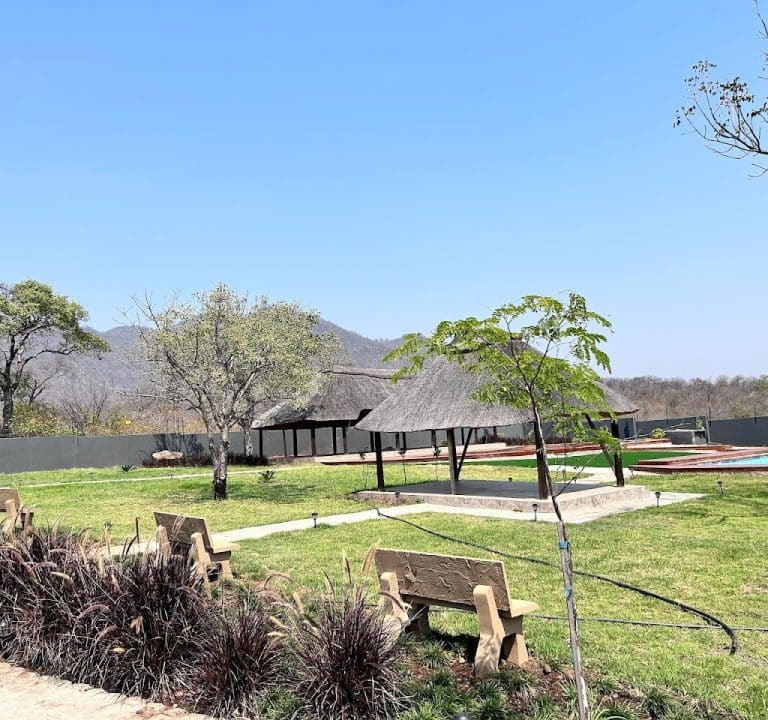
When choosing where to stay, consider what you want from your trip. If your priority is wildlife or bush experiences, a lodge or guesthouse on the outskirts may provide a sense of immersion and easier access to natural areas. For a calmer, more village‑scale experience, a family‑run guesthouse or B&B closer to central Giyani can offer authentic hospitality and convenient access to shops and markets. For families or groups, self‑catering lodges or cottages can provide flexibility with meals and space. Always check how far your accommodation is from the activities you plan to enjoy, and whether breakfast or other meals are included in the rate.
Typical amenities in the area include comfortable en‑suite rooms, fan or air‑conditioning for warmer months, and sometimes mosquito nets for evenings spent outdoors or on game‑watching drives. Many properties provide secure parking, daily housekeeping, and on‑site meals or kitchen facilities. If you plan to drive, confirm whether there is easy access to major roads and whether the property offers road‑friendly parking or shuttle options. Wi‑Fi quality can vary in rural settings, so for critical work or streaming, check reviews or ask in advance about connectivity. For travellers seeking cultural experiences, some lodges and guesthouses arrange local tours, traditional dance performances, or guided visits to nearby community projects.
Area planning tips help you make the most of a stay. The central town can offer convenient access to markets, basic services, and local eateries, while the outskirts and nearby reserves provide wildlife viewing and serene scenery. If you want a blend of both, pick accommodation within a short drive of the town centre yet nestled in a quieter, nature‑forward setting. Consider the season and climate: Limpopo experiences hot summers and cooler evenings in winter. The best time to visit for wildlife sightings and comfortable daytime temperatures is typically the dry season when animals are easier to spot at water sources, though rainier periods bring lush landscapes and different wildlife viewing opportunities.
Transport is a practical consideration. A rental car gives you freedom to explore at your own pace, with the option to visit wildlife areas, cultural sites, and markets on your itinerary. Some lodges may offer airport transfers or local shuttle services, but these are not universal, so plan ahead. If you are arriving by air, look at connections through larger hubs in Limpopo or neighbouring provinces and arrange onward travel to Giyani in advance. For day trips, a well‑maintained private vehicle is usually the most reliable option, as public transport can be limited and infrequent in rural parts of the region.
Best time to visit blends weather, crowd levels, and personal interests. The dry season generally offers drier roads and clearer wildlife viewing, while the rainy season brings vibrant landscapes and migratory birdlife. Cultural events and markets often occur year‑round, but you may find more vibrant activity during school holidays and festival times. Always check local festival calendars and weather forecasts when planning your dates, and be prepared for heat in the hotter months with sun protection and hydration.
Practical planning tips for a smooth stay in Giyani:
- Book in advance, especially for peak travel periods or holidays, and confirm amenities such as breakfast, parking, and Wi‑Fi.
- Read recent guest reviews for insights on service quality, cleanliness, and safety considerations.
- Ask about on‑site activities or partnerships with local guides, which can enhance your stay with authentic experiences.
- If you have mobility considerations, verify room layout and access paths, as some rural properties have uneven terrain.
- Pack suitable clothing for warm days and cooler evenings, along with comfortable footwear for excursions.
Nearby attractions and experiences can be enjoyed at a relaxed pace. You may encounter wildlife‑watching opportunities, scenic viewpoints, and chances to learn about local traditions and crafts. Dining options range from informal local eateries to more polished establishments where you can sample regional flavours and ingredients. For a broader perspective on the Limpopo region, take time to explore the broader cultural and natural highlights, including parks and community initiatives that offer guided insights into the area’s heritage and ecology. For more ideas and planning inspiration, you can visit regional tourism information at Limpopo Tourism Agency.
In summary, a stay in Giyani can be as laid‑back or as active as you wish. With a range of accommodation styles, easy access to nature and culture, and practical planning considerations, visitors can craft a stay that balances comfort, discovery, and value. Whether you choose a rural lodge for quiet mornings and wildlife glimpses, a guesthouse near the town for convenient access to markets and eateries, or a self‑catering option for family flexibility, Giyani offers a welcoming base from which to explore the Mopani region and its distinctive Limpopo landscapes.