Giyani: Accommodation, Attractions and Planning a Stay in Limpopo
Giyani in Limpopo is a gateway to rich landscapes and a slower pace that suits travellers seeking authentic experiences. Whether you are visiting for wildlife sundowners, cultural excursions, or a window into rural South Africa, the town and its surrounds offer a handful of friendly guesthouses, guest rooms and small lodges that welcome guests with warm hospitality and practical conveniences. When planning a stay, think about where you’ll be based, how you’ll move around, and what you’d like to experience beyond the main town centre.
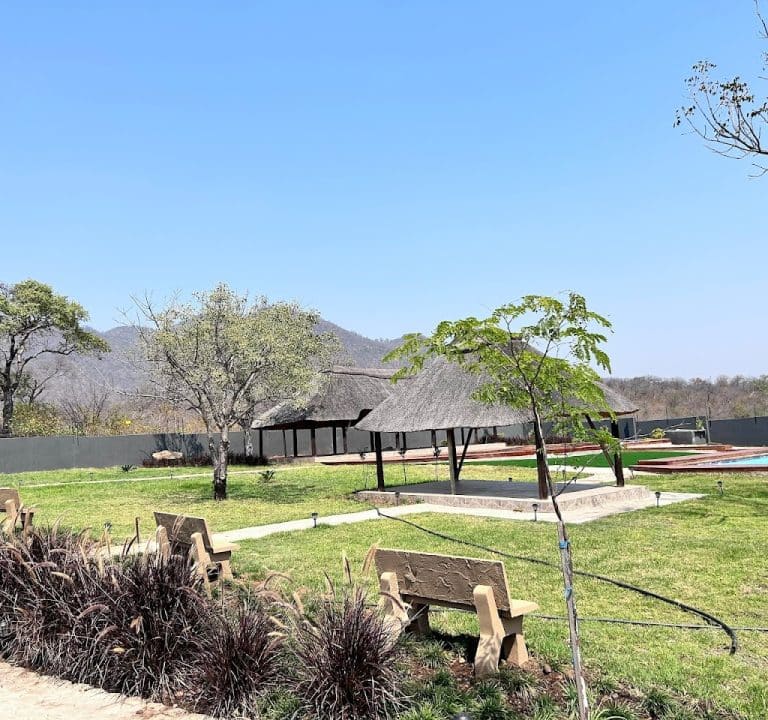
Areas to consider when choosing a base include proximity to the main township facilities, ease of access to regional sights, and the character of the accommodation itself. A guesthouse in a quieter residential street can provide a peaceful home-from-home feel, often with gardens or outdoor space to relax after a day of excursions. For those who want to be closer to markets or eateries, a location nearer the town centre makes spontaneous meals and shopping more convenient. If you are visiting with family or a small group, look for family-friendly rooms, flexible setups, and a host or manager who can advise on local activities.
Typical amenities you might expect from guesthouses and small lodges in the area include en-suite bathrooms, air conditioning or fans for warm Limpopo nights, clean linen and housekeeping, free Wi‑Fi in public areas, and on‑site parking. Breakfast is a common inclusion and sometimes a light dinner option is available. Some properties offer shared kitchen facilities or a small lounge area where guests can mingle or plan day trips. It can be helpful to confirm what is included in your rate, whether there are any security features, and what the policy is on late arrivals or early departures.
Booking considerations are best handled with a clear sense of what you value most. If a quiet setting and a garden are important, prioritise properties that advertise outdoor space and limited street noise. If access to guided experiences is your priority, ask whether hosts can arrange rural village visits, traditional cooking demonstrations, or nature walks led by local rangers. For travellers who rely on a car, verify on-site parking and information about road access to nearby attractions, as some routes can be rural and winding. If you’re travelling outside peak season, it’s sensible to check cancellation terms and any minimum-stay requirements, as these can differ between properties.
Transport in and around Giyani ranges from self-drive to organised tours. The region can be best explored with a reliable vehicle, given the rural road network and the distances between points of interest. If you’re not driving, ask your host or lodge about shuttle options or local guides who can accompany guests on day trips. Many visitors combine a stay in Giyani with nearby wildlife reserves or cultural experiences, so having a plan for transfers can help you maximise your time without stress.
Best time to visit Giyani and the surrounding Limpopo region tends to align with the drier winter months and the more temperate shoulder seasons. The dry season can be ideal for wildlife viewing, while the wetter periods bring vibrant landscapes and the chance to see lush vegetation. Consider your preferences for temperatures, humidity, and the likelihood of rainfall when picking your dates. If you’re planning outdoor activities or village visits, you may wish to schedule for mornings when temperatures are cooler and wildlife visibility is good.
Practical tips for a smooth stay include packing comfortable walking shoes, light layers for variable temperatures, and a sun protection kit for outdoor activities. Bring a reusable water bottle and light snacks for day trips, especially if you intend to explore rural areas where facilities may be limited. Always confirm dining options with your accommodation, as some guesthouses offer meals on site while others will point you toward a small choice of nearby eateries. Being mindful of local customs and greetings can enhance interactions with hosts and neighbours, creating a more welcoming experience overall.
While in Giyani, you can expect to encounter a mix of natural beauty and cultural energy. Nearby natural spaces may present opportunities for walking trails or scenic drives, while town-centre strolls can reveal local artisan crafts and markets. In terms of dining and social life, the area offers a simple, relaxed dining scene, with meals that reflect South African flavours and home-cooked hospitality. Guests who enjoy a broader excursion might combine their stay with visits to adjacent towns or protected areas in Limpopo, seeking a balance between restful afternoons at the guesthouse and afternoon or evening explorations of the region.
Example planning checklist for a stay in Giyani:
- Confirm whether breakfast or dinner is included and if special dietary needs can be accommodated.
- Ask about on-site parking, Wi‑Fi access, and air conditioning or fans.
- Check proximity to sights you wish to visit and whether guided tours can be arranged.
- Clarify cancellation terms and any minimum-stay requirements for peak periods.
- Prepare for rural roads—carry a map, a charged mobile device and a charger for navigation.
Accommodation in Giyani, including guesthouses and small lodges such as Malani Guest House, offers a welcoming base for exploring Limpopo’s heartland. For more information on regional routes, nature experiences and reputable places to stay, visit official tourism resources or the websites of individual properties. A well-chosen base sets the tone for a relaxed, rewarding stay in this part of South Africa, helping you balance restful evenings with memorable daytime adventures.