Giyani, Limpopo: Accommodation and Things to Do for a well‑paced stay
Giyani in Limpopo offers a gateway to the northern foothills of the province and a quiet base from which to explore the region’s landscapes, wildlife, and cultural heritage. When planning a stay, consider the rhythm of the area: days can be warm and sunny, with cooler mornings and evenings. The town serves as a practical home base for travellers who prefer a slower pace without sacrificing access to nature and authentic local experiences.
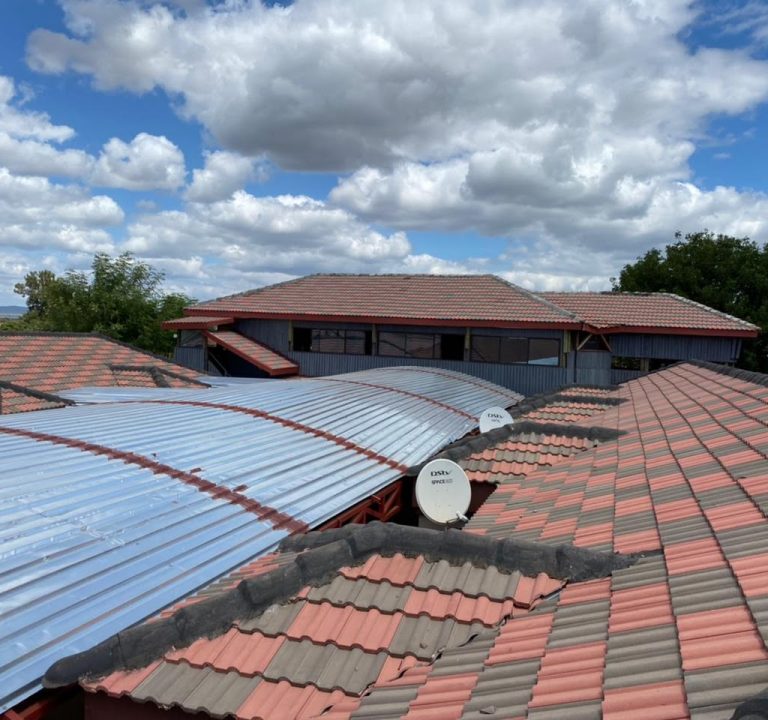
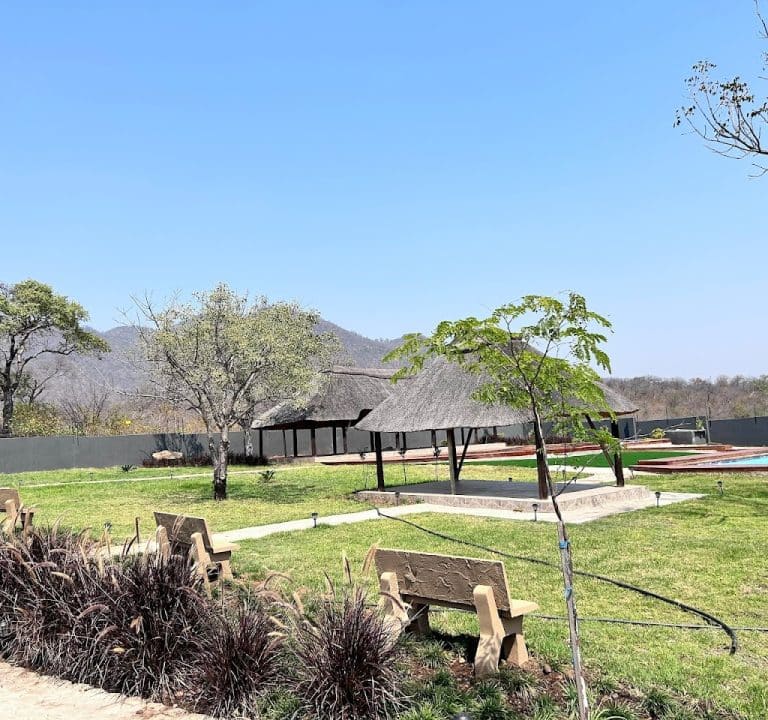
Accommodation in and around Giyani ranges from guest houses and small lodges to guest‑friendly B&Bs. Many properties prioritise a relaxed, home‑from‑home atmosphere with practical amenities that are ideal for longer visits or family groups. Typical options include en suite rooms, secure parking, shaded outdoor spaces, and options for home‑cooked meals or simple continental breakfasts. If you are exploring with a vehicle, a property that offers on‑site parking and easy access to regional roads will help you plan day trips with minimal hassle. For travellers seeking a touch more privacy, self‑catering units or cottages within a guest house can be particularly convenient.
How to choose a base: consider the areas within reach of Giyani’s attractions and everyday conveniences. A stay close to the town centre often provides the best balance of shops, markets, and transport links, while properties on the outskirts may offer a quieter environment and more expansive outdoor spaces. Look for hosts or managers who can share practical advice about local routes, safe walking areas, and the best times to visit nearby natural spots. If you’re travelling with children or elders, check the property’s layout, accessibility, and whether facilities like a kitchenette, a pool, or shaded seating areas are available.
What to look for when booking: honest, up‑to‑date information about room types, bedding arrangements, and rules is essential. Read recent guest reviews to gauge consistency in cleanliness, responsiveness, and the accuracy of descriptions. Verify whether the listing includes Wi‑Fi, fans or air conditioning, insect screens, and security features. If a meal option is advertised, find out whether it’s available every day, and whether dietary needs (vegetarian, halal, etc.) can be accommodated. For longer stays, enquire about laundry facilities, kitchen access, and the possibility of arranging guided activities or local transport.
Typical amenities you may encounter include:
- Free or metered parking on site
- En suite bathrooms and daily housekeeping options
- Air conditioning or ceiling fans for warm seasons
- In‑room tea and coffee facilities and breakfast service
- Shared lounges or outdoor seating, and sometimes a communal kitchen
- Reliable Wi‑Fi and phone charging points
- Security measures such as gates or 24‑hour lighting
Transport and getting around: a car is the most convenient way to explore Giyani and surrounding natural areas. If you’re relying on public transport, check with your host about local taxi services or possible shuttle arrangements. For day trips, plan a flexible schedule to account for heat in peak afternoon hours and to allow time for longer routes through rural countryside. When outlining your itinerary, include a balance of nature‑based activities and cultural experiences to make the most of your stay without rushing.
Best time to visit: Limpopo’s climate means warm days for much of the year, with a favourably mild mid‑year period for safaris and outdoor activities. The wet season can bring short, heavy showers, which can be refreshing but may affect outdoor plans. Consider shoulder seasons for quieter attractions, better value, and comfortable temperatures. Always protect against the sun, carry water, and have a light layer for evenings.
Activities and experiences near Giyani fall into several broad categories. Nature lovers can enjoy scenic drives and walks in the surrounding landscapes, with wildlife viewing in nearby protected areas or reserves where permissible. Cultural experiences often include interactions with local communities, traditional crafts, and markets that showcase handmade goods. Dining generally reflects Limpopo flavours: expect heartier, wholesome meals with staples such as maize porridge, fresh vegetables, and braaied meat. Many accommodation hosts can point you towards reputable local eateries and highlights, without including specific restaurant names here.
Practical tips for travellers staying in Giyani:
- Book with enough lead time during peak seasons, especially for weekend breaks and school holidays.
- Clarify check‑in times and whether late arrivals are possible.
- Ask hosts about safety tips for night walks or evening trips to nearby attractions.
- Pack versatile clothing for warm days and cooler evenings, plus a hat and sunscreen for daytime outdoor activities.
- Bring a reusable water bottle and plan hydration breaks during outdoor exploration.
- If you have dietary preferences, communicate them in advance to ensure meals or kitchen access meet your needs.
One option for visitors looking for a comfortable, home‑style stay is a guest house known for its friendly atmosphere and practical amenities. It positions itself as a practical base for travellers wanting to explore the region while enjoying a relaxed, welcoming environment. For those who prefer self‑catering or a little more autonomy, look for a property that offers self‑contained units or kitchen facilities alongside a comfortable communal space.
When planning a visit to Giyani, think of your stay as a balance between rest, discovery, and cultural immersion. With thoughtful planning, your time can blend comfortable lodging, easy access to local experiences, and moments to unwind in the Limpopo countryside. For many visitors, a well‑chosen guest house or lodge in Giyani becomes the foundation for a memorable, family‑friendly, and increasingly rewarding South African rural escape.