Cape Town Accommodation and Planning Your Stay: A Guide to Places to Stay, Sights, Dining and Practical Tips
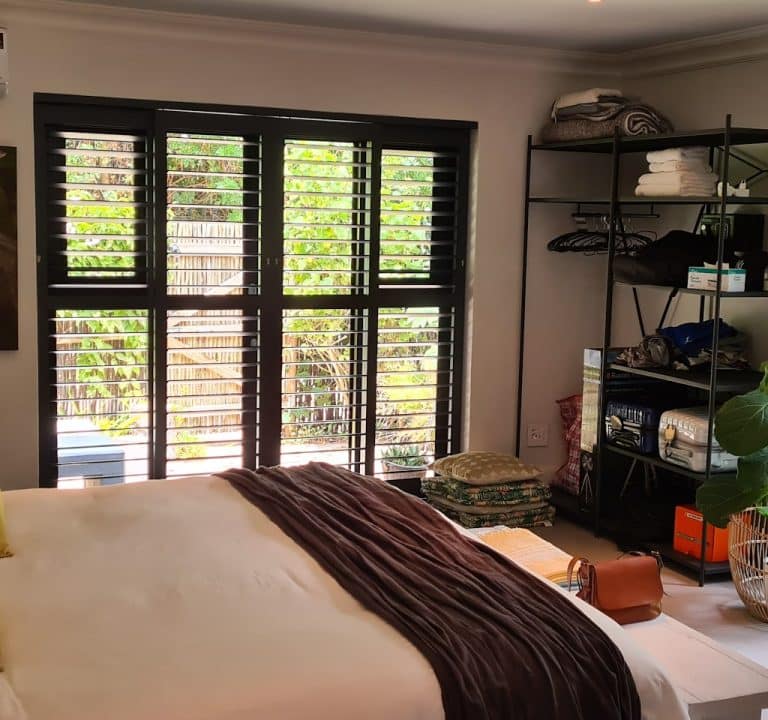
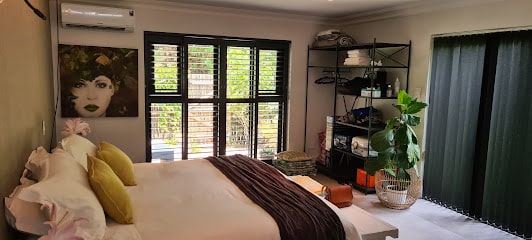
Cape Town offers a diverse range of places to stay, from chic city apartments to foothill lodges and beachside guesthouses. When planning a visit, consider which neighbourhood will best support your itinerary and the type of experience you want—whether it’s scenic coastal walks, a cultural city-break, or a tranquil escape in the hills. Self-catering options, such as Nova Place, can be particularly convenient for socialising with family or friends and for keeping routines while you explore the region.
Areas to consider
- City Bowl and the Central Business District: central, walkable, with easy access to museums, markets, and restaurants. Great for first‑time visitors who want a base near many attractions and transport links.
- Atlantic Seaboard (including areas like Green Point and Sea Point): close to the coastline, promenades, and fashionable dining; ideal for romantic stays or easy beach access.
- Camps Bay and Clifton: striking beaches and dramatic scenery, perfect for a luxurious escape, though often pricier and busier in peak season.
- Woodstock and Observatory: creative hubs with independent cafés, markets and a vibrant vibe; good for shorter stays or travellers seeking characterful neighbourhoods.
- Constantia and the Constantia Valley: leafy streets, wine estates and suburban tranquillity; suitable for longer breaks with a more relaxed pace.
What to look for when booking
Booking a stay in Cape Town comes with several practical considerations. Think about how you will get around, how you will cook and dine, and what level of security and comfort you require. If you are travelling with family or a group, a self‑catering apartment or a small villa can provide space and flexibility. If you plan to spend long days sightseeing, a well‑located base with reliable transport links can save time and reduce fatigue. For those who wish to mix in dining out with a home-cooked meal, ensure your accommodation has a functional kitchen and easy access to supermarkets or local markets.
Typical amenities to look for include:
- Reliable Wi‑Fi and workspaces if you need to catch up on plans or emails
- Kitchen facilities with essential appliances and utensils
- On‑site or easy access to parking and secure entry systems
- Quality bedding, heating or air conditioning, and adequate lighting
- Fresh towels and housekeeping options, with a clear schedule
- Access to outdoor spaces, views, or a balcony where feasible
- Proximity to public transport links such as MyCiTi routes or rail services
Transport and getting around
Cape Town’s geography means some sights are best reached by car, while others are convenient on foot or by public transport. The MyCiTi bus network offers reliable city routes, and Uber or local ride‑hailing services are widely available. If you stay near the Atlantic coast or the city, you may find walking routes along the shoreline or through the Green Point precinct to be pleasant and time‑efficient. For day trips to the Cape Winelands, coastal towns, or nature reserves, consider arranging a guided tour or renting a vehicle for the day.
Best time to visit and practical planning tips
Cape Town experiences a Mediterranean climate with warm, dry summers and cooler, wet winters. The peak busy period is typically the southern hemisphere summer, from December through February, when beaches and outdoor activities are at their best but prices can be higher and availability tighter. Spring (September to November) and autumn (March to May) offer mild weather, fewer crowds, and good conditions for outdoor adventures and wine country excursions.
Practical tips to ensure a smooth stay:
- Book accommodation with flexible cancellation policies where possible, especially if your plans might change.
- Check the kitchen facilities and water heating to ensure comfort for self‑catering stays.
- Confirm parking arrangements if you are travelling by car, and consider security features of the property.
- Ask about access to supermarkets, cafés, and friendly local markets for easy shopping.
- Plan a realistic mix of indoor and outdoor activities to suit weather changes, particularly in spring and autumn.
- Pack layers to adapt to coastal winds and cool evenings, even in warmer seasons.
What to do and see (in broad terms)
Cape Town’s appeal lies in its natural backdrop and cultural energy. Iconic vistas, scenic coastal walks, and manageable day trips make it an enduring favourite for many travellers. While individual attractions and dining spots are updated regularly, you can expect to find world‑class viewpoints, vibrant markets, and restaurants offering a range of cuisines from casual eateries to refined dining. It is wise to check current recommendations and seek local advice on the best times to visit popular viewpoints to avoid crowds and maximise your experience.
For inspiration and planning, consider exploring tourism or city‑guide websites for general tips and current highlights. Your accommodation provider or host can also share tailored recommendations for your stay and help you map an itinerary that fits your interests, whether you wish to explore the urban heart of Cape Town, chase sweeping ocean views, or discover the wine routes just beyond the city.