Accommodation and Experiences in Cape Town: Where to Stay and What to Do
Cape Town, set between the iconic Table Mountain and the Atlantic Ocean, offers a diverse mix of accommodation styles, from intimate guest houses to stylish boutique hotels and family-friendly lodges. When planning a stay, think about what you want from your neighbourhood, how you’ll get around, and the cadence of your itinerary. Whether you seek dramatic coastal views, easy access to vineyards, or a buzzing urban scene, there is a place to suit your style and budget.
For a relaxed introduction to the city, consider areas with a good balance of amenities, safety, and accessibility. The City Bowl and the central Foreshore put you within easy reach of museums, markets, and a vibrant dining scene. The Atlantic Seaboard, including precincts along the coastline, offers scenic routes, promenades, and a heightened sense of place with ocean views. Constantia, a little inland from the southern suburbs, is renowned for its verdant valleys and wine estates, ideal for visitors who prefer a tranquil backdrop and easy day trips to natural reserves. Other popular bases include the sandy-coveted suburbs of Camps Bay and Clifton for coastal luxury, as well as inner-city guesthouses with a more intimate, homely atmosphere. If you’re planning longer stays, you might explore the winelands beyond the city, such as Constantia’s neighbouring valleys, where day trips can be comfortably paced.
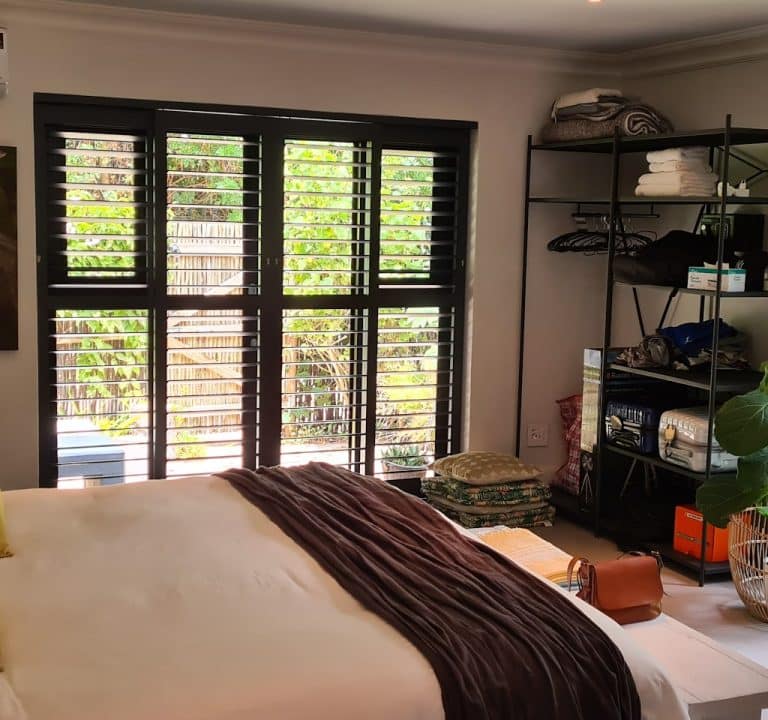
When selecting accommodation, look for a few core features that will make your stay comfortable and convenient. En-suite bathrooms and reliable hot water are essential, as are dependable Wi‑Fi connections for planning day trips or catching up on travel from a comfortable room. A few thoughtful extras can enhance your experience: a hearty breakfast or the option for self-catering, a welcoming living area or garden, and a clean, well-maintained pool if you’re visiting in warmer weather. Parking availability is worth confirming if you plan to hire a car, and note whether the property is able to arrange airport or station transfers if needed. Check if there is 24-hour reception or staff living on site, especially for late arrivals or early departures. Accessibility features and baby-friendly or pet-friendly policies may also be important depending on your party.
Transport in Cape Town is diverse. A rental car adds freedom to explore the surrounding scenery and coastal routes, but the city also offers reliable public transport and ride-hailing services. The MyCiTi bus network serves major corridors and can be a convenient, economical option for visitors staying in central areas. If you prefer walking and short rides, a well-situated guest house or boutique hotel can minimise daily transfers. When planning trips to the Cape Peninsula, the distance to attractions like the Cape Point reserve or the penguin colony at Boulders Beach increases the value of comfortable transport planning and a flexible day-by-day schedule.
The best time to visit Cape Town depends on your priorities. The southern African winter (June to August) is cooler and drier, with fewer visitors at some beaches but excellent safari-style day trips nearby. Spring (September to November) brings vibrant wildflowers in the surrounding landscapes and generally milder weather. Summer (December to February) offers longer days, livelier city life, and excellent conditions for beach outings and seas swells along the Atlantic coast. Autumn (March to May) provides pleasant temperatures for walking and hiking, often with fewer crowds. Remember that coastal winds can be brisk, especially along the Atlantic Seaboard, so pack layers and a light rain shell for variable conditions.
When it comes to experiences, you’ll find a wealth of options that suit varied interests. General attractions include a cable-car ascent or viewpoint hikes on the plateau of Table Mountain, serene botanical trails in Kirstenbosch National Botanical Garden, and waterfront strolls that reveal a mix of galleries, markets, and eateries. Coastal drives along the False Bay and Atlantic Seaboard offer dramatic scenery, while iconic viewpoints invite photography and contemplation. Museums and historic sites provide context for the city’s complex past and present, with guided tours often available in multiple languages. For food lovers, Cape Town’s restaurant scene ranges from casual seaside bistros to refined tasting menus, with many establishments emphasising seasonal produce and ocean-fresh seafood. Markets and street food stalls offer a snapshot of local flavours and crafts, providing a relaxed way to sample the city’s culinary diversity.
As you plan daily activities, consider a light, flexible approach. Allocate a few longer half‑days to visits that may involve travel beyond central areas, and leave some mornings free for coffee and a stroll through a neighbourhood market. Always check property-specific guidance on peak times for breakfast or dining, and be mindful of the start times for excursions or guided tours. For safety, keep valuables secure and use reputable transport options or hotel transfer services, particularly when venturing to less familiar neighbourhoods after dark.
Practical planning tips for guests include booking well in advance if you’re visiting during peak holiday periods, especially in high-season windows. Check cancellation policies and whether the accommodation offers refundable rates. If you’re travelling with family or a group, look for options with separate living spaces or multiple bedrooms, as well as child-friendly facilities if needed. Read guest reviews with an eye to consistency in cleanliness, responsiveness of hosts or staff, and the accuracy of descriptions compared with what you experience on arrival. Finally, consider how your chosen base aligns with your daily plan: a stay in a central area minimises travel time for sightseeing, while a quieter suburban or estate setting can provide a restorative balance after busy days in the city.
- City Centre and City Bowl for walkability and easy access to attractions
- Atlantic Seaboard for coastal views and seafood dining
- Constantia and nearby valleys for tranquil estates and day trips
- Close-to-nature options around Kirstenbosch and Table Mountain trails