Accommodation and Attractions in Cape Town: Where to Stay and What to Do
Cape Town offers a rich mix of guest houses, boutique hotels, serviced apartments and lodges that suit a range of travel styles and budgets. Whether you want a cosy base near the city’s green lungs, a beachside escape on the Atlantic Seaboard, or a vine-clad retreat in the Constantia valley, planning around neighbourhoods, transport and amenities will help you make the most of your stay in this diverse part of the Western Cape.
When choosing where to stay, think about access to the sights you most want to see and how you plan to get around. The City Bowl and Gardens area are ideal for first-time visitors who prefer walkable streets, easy access to markets and museums, and short hops to Table Mountain’s cable car. The Atlantic Seaboard, including Camps Bay and Clifton, offers dramatic coastal scenery, sunlit beaches and a livelier dining scene. For quieter, leafy surroundings and a focus on estate wines, Constantia and nearby areas provide tranquil guest houses with generous gardens. If you want a more authentic, cultural experience, the Bo-Kaap and its colourful terraces offer characterful stays near historic architecture and museums.
Typical amenities to look for when booking include a generous breakfast or self-catering facilities, secure parking or easy access to public transport, reliable wifi, air conditioning or heating as needed, and parking if you’re arriving by car. Check whether your room has an en-suite bathroom, whether there are communal spaces such as lounges or outdoor terraces, and the availability of guest laundry or kitchen facilities. Hosts in Cape Town often offer local knowledge, guided walks, or arranged day trips; these can be a real value-add when you’re trying to fit in as much as possible in your itinerary.
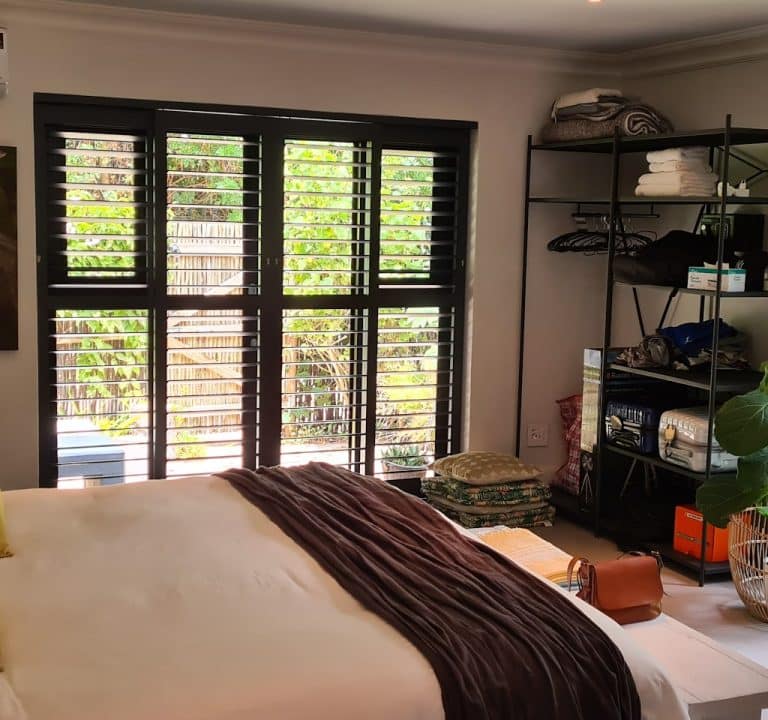
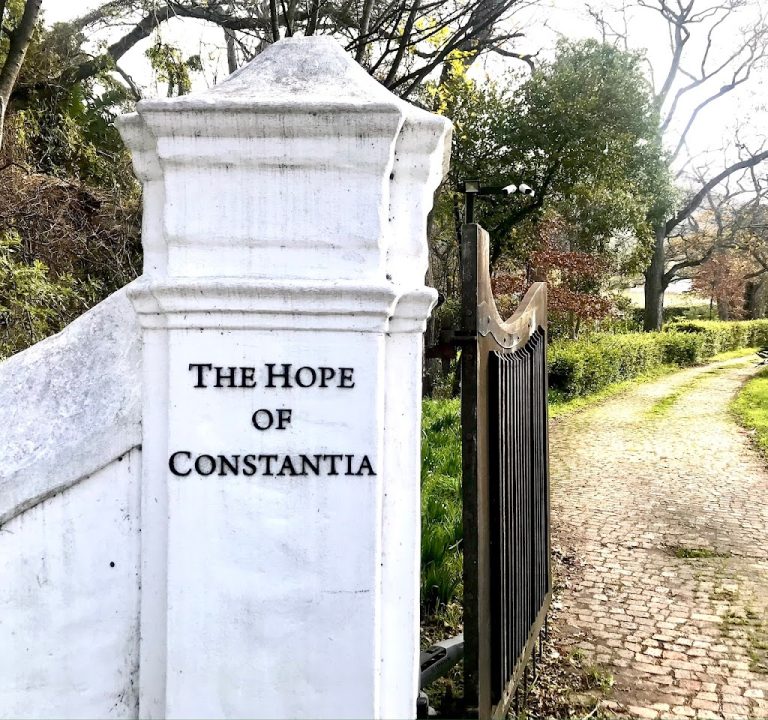
One charming option to consider is a guest house in Constantia, where a warm welcome and garden-style setting can help you unwind after day trips to the surrounding wine routes and nature reserves. A property such as Constantia Retreat (where applicable) represents the type of stay many visitors prize: personal service, well-kept grounds and a calm base from which to explore both the Constantia Valley and the central city by car or taxi.
Transport in Cape Town is practical, but it does require some planning. The MyCiTi bus network covers key routes from the City Centre to major hubs, while Uber and other ride-hailing services are commonly used for short trips, particularly to and from dining precincts and attractions after dark. If you plan to explore beyond the immediate city, a rented car offers flexibility and is often the simplest way to visit Cape Point, the Cape Winelands, or the Cape Peninsula scenic route at your own pace. If you don’t want the responsibility of driving, look for accommodation that offers shuttle services, or stay near a central hub with easy taxi access.
Best time to visit Cape Town depends on what you’re seeking. Summer (December to February) brings long days, warm seas and vibrant street life, ideal for beaches and outdoor activities. Autumn (March to May) offers mild weather and quieter spots, a good time for hiking and gardens without peak crowds. Winter (June to August) is cooler and wetter, yet it can be a perfect season for winelands visits, cosy guest houses, and fewer tourists. Spring (September to November) delivers brisk mornings, blossoming parks, and a nice balance of seaside and mountain activities. Pack layers, sun protection for day trips and a light rain jacket for the chance of showers, especially in the shoulder seasons.
Attractions and experiences span iconic natural beauty, historic districts, and culinary scenes. The region’s natural splendour includes Table Mountain and the surrounding nature reserves, the Cape Peninsula drive with its dramatic coastal scenery, and beaches along the Atlantic Seaboard. In town, you’ll find history and culture in museums, markets and neighbourhoods rich with architecture. Dining ranges from casual seafood spots to refined eateries that showcase modern South African flavours. While exact names, prices or accolades can vary over time, you can expect menus focused on fresh seafood, farm-to-table ingredients, and regional wines from nearby bottle shops or estates. Many guest houses and boutique hotels offer curated itineraries or recommendations for nearby trails, viewpoints and day trips.
Practical tips for a smooth stay:
- Research neighbourhoods ahead of time: City Centre and Green Point for accessibility and dining; Constantia for a tranquil wine-and-country feel; Camps Bay and Clifton for beaches and sunsets; Bo-Kaap for colour and culture.
- Book accommodations with flexible policies where possible, especially if your plans may shift with weather or events in the city.
- Check what’s included in breakfast and whether you’ll need to self-cater for some meals, particularly if you’re staying several nights.
- Use reputable transport options and avoid unlicensed services, particularly late at night. Plan airport transfers or day trips in advance if you’ll be pressed for time.
- Bring comfortable walking shoes for urban exploration and light hiking gear if you intend to hike Table Mountain or coastal trails.
- Respect local safety guidance and keep valuables secure, as you would in any major tourist city.
Whether you prioritise a stylish base with sea views, a green oasis in a vineyard setting, or a characterful guest house near the city’s heartbeat, Cape Town makes it easy to combine restful accommodation with extraordinary experiences. With careful planning around where you stay, how you move, and which days you reserve for winelands or mountains, you’ll craft a brilliant South African escape that balances comfort, culture and scenery.