Cape Town: Where to stay and how to make the most of your visit
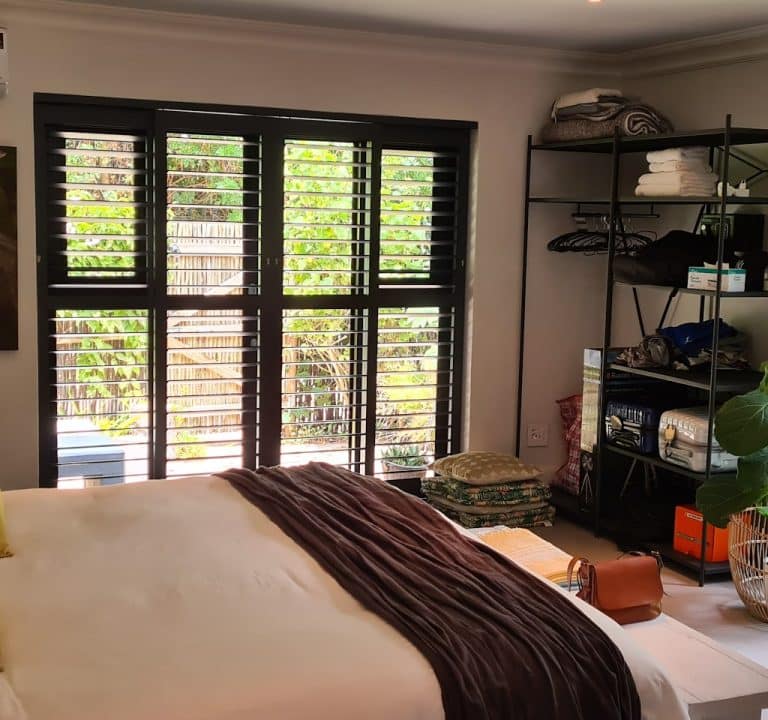
Cape Town blends dramatic natural scenery with a vibrant urban life, making it a rewarding destination for a short break or a longer stay. When choosing accommodation, think about your priorities: proximity to the coast and mountains, ease of access to transport, and the type of experience you want—iconic scenery, quiet retreat, or a lively neighbourhood with eateries and nightlife. A well-chosen base can cut travel time, reduce fatigue, and maximise your time exploring the city and surrounding regions. An example of a welcoming option is Summit Place Guest House, which offers a practical base with friendly hospitality and easy access to central Cape Town via convenient routes. Learn more at their website: https://www.summitplaceguesthouse.co.za/.
Accommodation options in Cape Town span boutique guest houses, self‑catering apartments, well-appointed hotels, and family‑run lodges. Each has its own character, from sternly elegant to cosy and homely. While booking, consider factors such as security, on‑site parking, breakfast availability, and whether a property offers flexible check‑in times. If you plan day trips along the Atlantic Seaboard, in Constantia, or towards the Cape Winelands, staying in a well-connected neighbourhood can save time and reduce daily transit. The city’s current transport options include MyCiTi buses, rail connections, and ride‑hailing services; many guest houses and hotels will also arrange airport transfers or recommend reputable local drivers.
Areas to consider include:
- City Bowl and Gardens – central and walkable, with easy access to museums, galleries, markets, and a wide range of eateries. Good for first‑timers who want to be close to sights and transport links.
- Atlantic Seaboard (including Camps Bay and Clifton) – iconic ocean views, stylish apartments and guest houses, with a relaxed, upscale vibe. Suitable for travellers seeking scenic beauty and a more resort‑like atmosphere.
- Green Point and V&A Waterfront – lively harbour area with modern hotels and closer proximity to entertainment, shopping, and harbour cruises. Excellent for families and first‑time visitors who want easy access to attractions.
- Southern Suburbs and Constantia – leafy neighbourhoods, wine routes nearby, and a quieter pace. Ideal for a restorative stay or a base for day trips to the cape mountains and wine estates.
What to look for when booking:
- Safety and security – look for well‑lit entrances, secure parking, and reputable neighbourhoods.
- Accessibility and transport – proximity to MyCiTi routes, major arterials, or walkable areas reduces dependence on taxis or rideshares.
- Amenities – reliable hot water, good Wi‑Fi, sufficient electrical outlets, and secure storage for luggage or bicycles if you are exploring on foot or by bike.
- Breakfast and dining options – decide if you want a full breakfast, self‑c catering, or nearby cafés for easy meals.
- Cancellation policies – flexible terms can provide peace of mind if plans change.
Typical amenities you may encounter include en‑suite bathrooms, air conditioning or ceiling fans, private balconies or patios, and access to common lounges or communal kitchens. Many host establishments pride themselves on personal touches—local knowledge, maps, and recommendations for dining and activities. If you prefer a self‑contained option, look for well‑equipped kitchens and laundry facilities; for a more social atmosphere, a guest house with shared spaces may be ideal.
When planning transport and movement around the city, consider a balance between convenience and pace. The area around the City Centre provides quick access to historic sites, markets, and panoramas. The Atlantic Seaboard offers breathtaking coastal drives and beaches, while Constantia and the surrounding winelands are perfect for relaxed day trips with countryside views. If you intend to explore Cape Town’s longer day trips, such as the Cape Peninsula or nearby penguin colonies, factor in travel time and the possibility of variable weather. A flexible itinerary helps you respond to ocean breezes, mountain mists, or a late‑day sunset along the coast.
Best time to visit and practical tips:
- Best time – spring (September to November) and autumn (March to May) provide mild temperatures and fewer crowds. Summer is busy but offers long days and lively beach scenes; winter brings cooler, wetter weather but can be excellent for whale watching on the False Bay coast.
- Pack smart – layers for rapid weather changes, sun protection for outdoor activities, a light rain jacket, and sturdy walking shoes for hill climbs and coastal paths.
- Safety – while Cape Town is welcoming, exercise normal travel caution: keep valuables out of sight, use trusted transport, and stay in well‑lit areas after dark.
- Dining and tipping – Cape Town offers a thriving restaurant scene with diverse cuisines. Local norms typically expect a tip of around 10–15% in restaurants if service is not included.
- Respectful travel – support local businesses, markets, and community projects where appropriate, and be mindful of cultural and environmental concerns in nature reserves and coastal areas.
To help you visualise a balanced stay, plan a varied itinerary that blends city culture, nature, and downtime. A sample 3–4 day framework could include a morning ascent up a near‑by viewpoint or nature trail, a late breakfast in a park or square, a coastal drive with a stop at viewpoints or beaches, a harbour or market visit, and an evening in a neighbourhood known for its dining and nightlife. For a day dedicated to food and wine, pair a short drive to a wine route with relaxed meals and scenic vineyard settings, returning to your base for a restful night. Cape Town rewards careful planning with a mix of experiences—from dramatic mountain scenery to world‑class dining and warm, welcoming guest houses where hosts can offer personalised suggestions for your stay.