Accommodation and Experiences in Cape Town, Western Cape
Cape Town offers a rich mix of stays that suit every travel style, from intimate guest houses perched on the slopes of Table Mountain to contemporary hotels with panoramic harbour views. When planning a stay, think first about the neighbourhoods that match your interests, then about the pace you want to set for your days—whether you are chasing fine dining, rugged coastline, or easy access to city galleries and markets. A memorable trip often comes from balancing a restful base with exciting day trips.
Areas to consider include the Atlantic Seaboard, famous for chic, beach-close stays and easy ties to the city centre; the historic Bo-Kaap and central Cape Town for culture, museums and nightlife; and the Western Cape’s winelands within easy reach for day-long excursions. For a more relaxed holiday with a country-house feel, consider suburbs such as Constantia or the Constantia Valley, where many guest houses and boutique lodges offer tranquil gardens and tasting room experiences. If you’d prefer a mountain-to-sea blend, hillside lodges and smaller boutique guest houses in Camps Bay, Llandudno, or Hout Bay provide dramatic scenery and a slower pace.
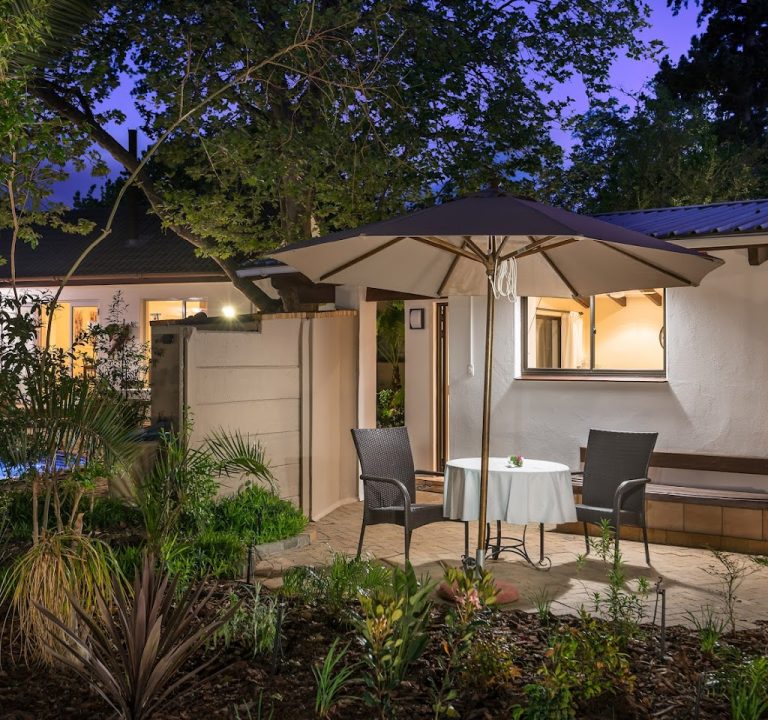
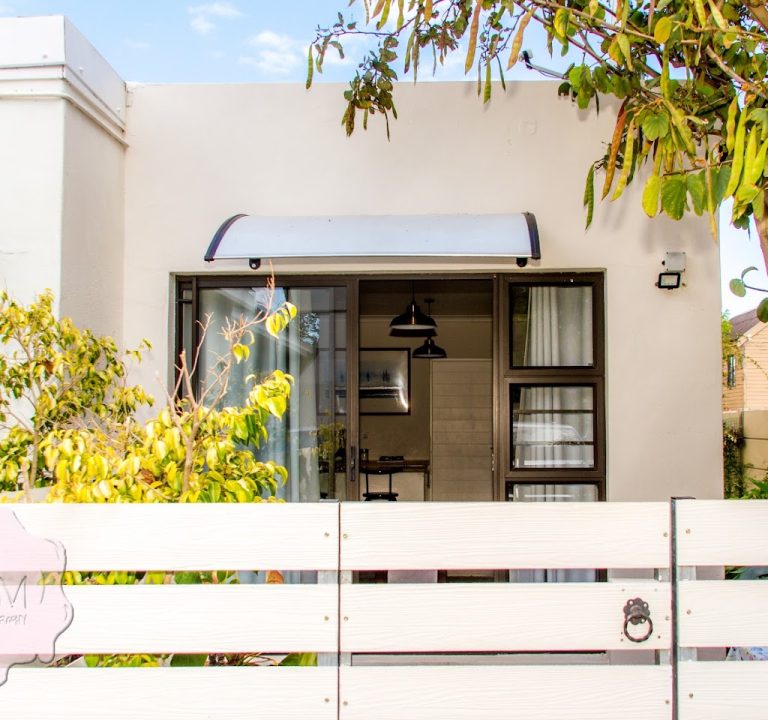
When choosing accommodation, look for a few practical hallmarks. A dependable location with straightforward access to major routes and public transport can save time and stress, especially if you plan to visit multiple beaches, markets, and attractions. A clear note of what makes a property special—such as a generous breakfast, thoughtful local recommendations, or a comfortable lounge and outdoor space—can be a deciding factor. For Nooitgedacht Manor House, a guest house option in the area, you may expect a quiet, personalised stay that emphasises heritage charm alongside modern comforts.
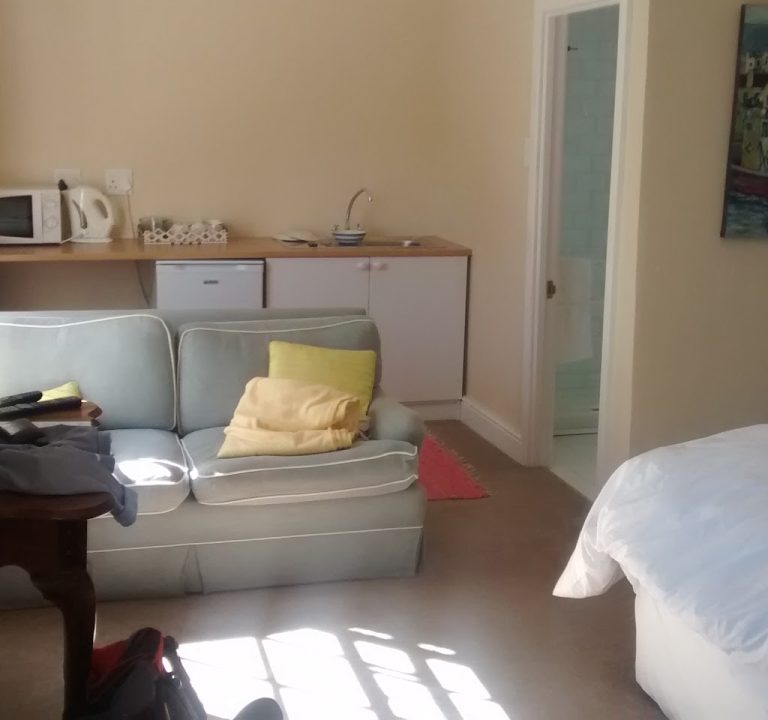
Typical amenities to expect include well-equipped en-suite bathrooms, reliable wifi, secure parking, and attentive housekeeping. A good bed and quality linens are important for a restful stay after days spent exploring. Many properties offer complimentary breakfast with options for lighter or more substantial meals; some provide dinner by arrangement or on-site dining spaces, which can be a big convenience after long days in the city or along the coast. Outdoor spaces—such as terraces, gardens, or pool areas—are especially valuable for relaxing after sunset and for enjoying Cape Town’s mild evenings.
Transport in Cape Town is straightforward but can be split into practical realities and adventures. If you are based in a central or conveniently located area, you may rely on Uber or rental cars to explore the Peninsula and beaches at your own pace. Buses and MyCiTi routes cover major routes and popular routes into the city bowl, the waterfront, and the southern suburbs. If you plan to visit coastal drives or vineyards, a car is often the most flexible option, though guided tours can be a relaxed alternative that handles transport and sightseeing logistics for you.
The best time to visit Cape Town depends on your priorities. Summer months (December to February) bring long days, vibrant outdoor scenes, and sparkling coastal waters, ideal for beach goers and hikers. Winter (June to August) is cooler and mellower, with fewer crowds and excellent conditions for whale watching on the False Bay side. Spring and autumn offer pleasant temperatures and a more relaxed pace, making them ideal for food lovers and those keen on wine country escapes. No matter the season, a balance of outdoor activity and indoor cultural pursuits—museums, galleries, markets, and theatres—will keep days varied and engaging.
When planning activities, think in terms of a flexible frame: mornings for nature or beach and afternoons for museums, markets, or a harbour stroll. Iconic draws in the area typically range from natural wonders to city life without requiring a strict schedule. You may wish to schedule a day to explore the scenic drives along the Atlantic coast, to visit a nearby wine estate for a tasting, or to wander the historic streets of central districts, taking time to enjoy coffee shops, bakeries, and casual eateries that locals frequent. Dining experiences range from coastal casual to refined venues, all offering the opportunity to enjoy South Africa’s diverse culinary heritage without fixed expectations on price or formality.
Practical tips for a comfortable stay include packing layers, as coastal breezes can shift quickly and evenings may cool even in summer. Check your accommodation’s parking arrangements and accessibility features if required. A light plan for days that mix outdoor time with indoor experiences helps avoid fatigue—Cape Town’s weather can be dynamic, and a flexible approach pays off. Finally, consider sustainability and local impact: choose guest houses and small inns that prioritise responsible practices, support local producers, and provide genuine, guest-focused service.
- Confirm what is included in breakfast and whether there are flexible meal options.
- Check proximity to the places you plan to visit and whether transport or parking is convenient.
- Ask about late check-in arrangements if you expect to arrive after standard hours.
- Inquire about essential amenities such as Wifi quality, hot water reliability, and climate control.
- Look for reviews that mention hospitality, cleanliness, and the helpfulness of local staff.