Accommodation and Experiences in Cape Town: Planning a Stay in the Western Cape
Cape Town is a city of contrasts, where rugged coastal scenery meets a vibrant urban core. When planning a stay, consider the neighbourhoods and types of accommodation that best suit your plans, budget and pace. From intimate bed & breakfasts tucked away in leafy streets to stylish hotels along the Atlantic Seaboard, there are options to match most itineraries. If you’re exploring beyond the city, you’ll also find welcoming lodges and guesthouses within easy reach of Cape Town’s surrounding wine routes and nature reserves.
Areas to consider include the City Bowl and the central Foreshore for easy access to museums, markets and nightlife, and the Atlantic Seaboard (including Camps Bay and Sea Point) for dramatic ocean views and sunlit promenades. Constantia and Newlands offer a quieter, more residential vibe with proximity to some of the region’s historic estates. For a unique mix of access and atmosphere, you might opt for a guesthouse or boutique hotel in Green Point or Bo-Kaap, where colour and culture sit alongside modern bars and cafés. If you’re drawn to wine and mountain scenery, day trips to Constantia, Hout Bay or the Cape Winelands make excellent add-ons to a city stay.
When booking accommodation, look for a few practical fundamentals. A reliable, well-sourced breakfast can set you up for long days exploring the city or coastal drives. Comfortable beds with clean linens, adequate heating or cooling, and good sound insulation help you rest after busy days. Check whether the property offers on-site parking if you’re travelling by car, and whether transport to popular sights and beaches is convenient. Proximity to MyCiTi bus stops, railway stations or reliable taxi/ride-share options can save time and reduce stress, especially if you plan to dine out in the evenings.
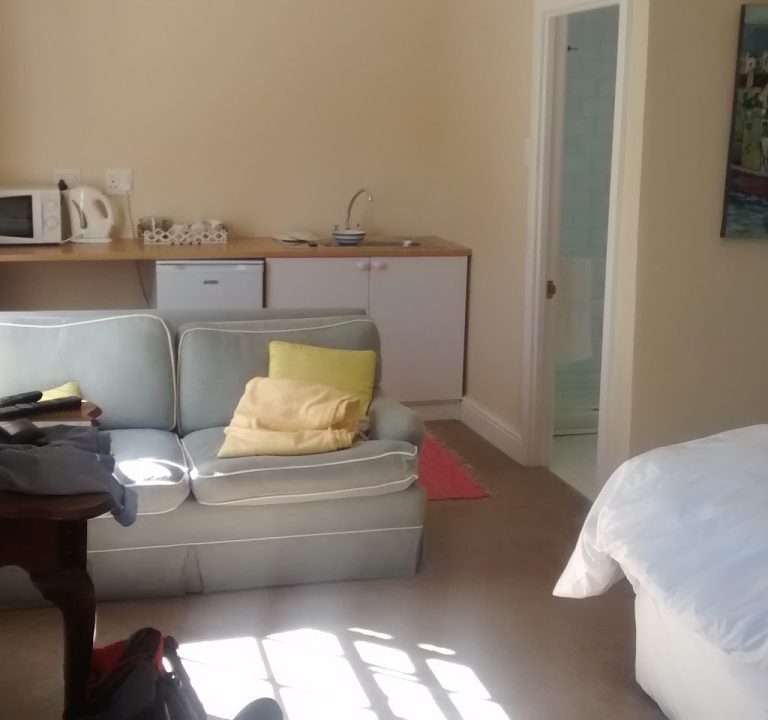
Typical amenities you might encounter include free Wi‑Fi, tea and coffee facilities, and en-suite bathrooms. Some B&Bs and boutique hotels provide compact kitchens or shared kitchen spaces, which can be handy for longer stays. Laundry facilities, secure access, and guest lounges or outdoor spaces (rooftop decks or garden courtyards) are increasingly common and add real value, particularly for families or groups. If you have dietary preferences, look for places that offer flexible breakfast options or can point you toward nearby suppliers for fresh, local produce.
Seasonality will influence both price and crowds. The peak travel period generally runs from December to February, when Cape Town enjoys its warmest weather and coastal activities are at their best. Spring and autumn can be excellent for shoulder-season conditions—milder temperatures, fewer crowds, and often better value. If you enjoy cooler seas and scenic drives, winter can be quieter and atmospheric, but plan for occasional rain and cooler evenings. Whatever time you visit, it’s wise to book accommodation in advance for popular areas and to check cancellation policies and local advisories before you travel.
Transport in and around Cape Town is straightforward but varies by area. If you’re staying near the City Bowl or the Atlantic Seaboard, you’ll likely rely on a mix of walking, short taxi rides, and rideshares. A car offers flexibility for day trips to the Cape Peninsula or the Winelands but can be less convenient for stay-inside-the-city days due to limited parking in busy areas. If you don’t plan to drive, choose properties with easy access to public transport or well-established shuttle routes to major sights and restaurants. Remember to budget for airport transfers and local transport, as these can significantly affect your daily plans.
When planning activities, Cape Town’s attractions are wonderfully varied. Iconic natural scenery sits just beyond the city: a cable-car ride to high viewpoints, hiking trails along coastal cliffs, and winding drives to viewpoints over the Atlantic. In the city, you’ll find world‑class museums and markets where crafts, foods and conversations reveal the city’s rich heritage. On the Cape Peninsula, scenic drives offer panoramic bays, rugged shores and opportunities to observe penguins and seabirds in their natural habitats. The dining scene blends home-style braais with contemporary cuisine, and there are plenty of family‑friendly and romantic options across the city and surrounding suburbs. Keep your plans flexible to enjoy spontaneous discoveries, whether a spontaneous coffee stop, a sunset walk along the beachfront, or a guided tasting at a nearby winery.
Practical tips to help you enjoy a smoother stay:
- Book a property with clear check-in instructions, a helpful host or manager, and a transparent cancellation policy.
- Pack layers for variable climates, plus sun protection for day trips along the coast.
- Take a small, secure bag for day trips; many sights require comfortable walking shoes.
- Use reliable transport options and identify safe neighbourhoods for evening outings.
- Plan a flexible itinerary to balance outdoor activities with downtime at your accommodation.
For travellers seeking a welcoming base with character, a charming bed & breakfast such as Chez Cloetenberg can offer a refined but relaxed stay in Cape Town’s mix of intimate spaces and convenient access to the surrounding region. By selecting a property that aligns with your preferred pace—whether a quiet garden setting, a central hub with easy dining options, or a coastal perch with sea breezes—you set the tone for your Cape Town visit. For further ideas and planning inspiration, consult regional tourism resources and browse credible guide sites or official visitor pages.
Useful links for planning your trip can include official city or tourism board sites, which provide neighbourhood insights, event calendars, and practical travel tips. The right accommodation and a well-planned route will help you make the most of the Cape Town experience, ensuring you return home with lasting memories of the Mother City and its surrounding wonders.